Practical cross-pollination in teacher education
Many elements of Montessori pedagogy can be adapted into traditional teacher training and classroom practice. The core ideas—respect for the child, observation, small-group work, and sensorial experiences—are pedagogically sound and can enrich teacher practice across settings. This article explores how traditional programs can incorporate Montessori principles without abandoning their accountability structures.
Classroom centers and hands-on learning
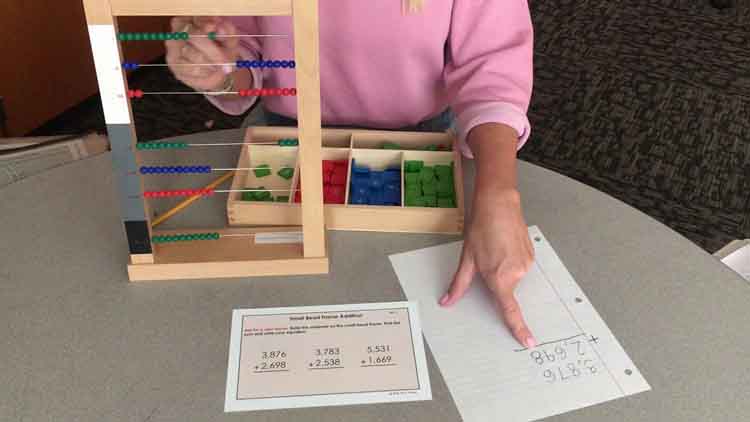
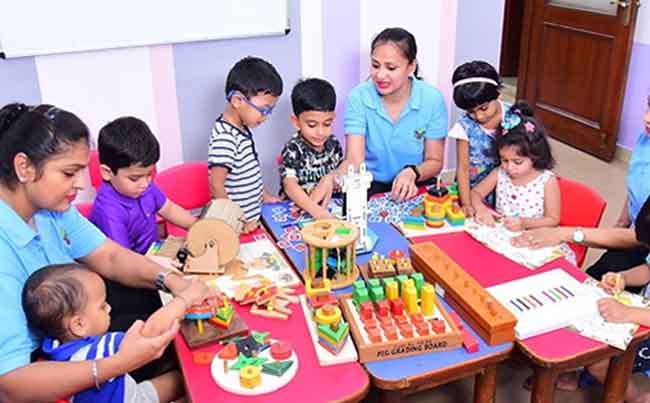
One straightforward adaptation is the use of centers or learning stations that mirror Montessori work areas. These centers can host sensorial activities, practical life tasks, and subject-specific manipulatives, allowing children to choose tasks and practice concentration. Teachers trained in traditional programs can learn to design these centers with clear expectations, rotation plans, and simple self-correcting elements to foster independence.
Observation and formative assessment
Traditional programs can embed observation as a formative assessment tool alongside existing metrics. Teaching trainees to keep brief anecdotal records and portfolios can provide richer insights into individual learning trajectories. Observation supports differentiated instruction by revealing readiness for new concepts and helping teachers time interventions more precisely.
Respectful language and classroom culture
Language and routines from Montessori—short scripts for requesting a turn, explicit grace and courtesy lessons, and modeling respectful interaction—can be integrated into traditional classrooms to improve social tone and reduce conflict. These simple practices shape a classroom culture that values mutual respect and responsibility, making direct instruction more effective.
Limitations and fidelity concerns
While integration is possible, wholesale transplantation of Montessori into traditional systems faces challenges: class size, curriculum mandates, assessment pressures, and limited material resources. Effective incorporation requires thoughtful adaptation—selecting feasible Montessori elements that complement required standards rather than conflicting with them.
Professional development and hybrid training
Teacher preparation programs can offer modules on Montessori ideas—observational techniques, sensorial pedagogy, and environment design—as part of continuing education. Hybrid training equips teachers to use child-centered strategies while still meeting curricular benchmarks. Collaboration between Montessori trainers and university faculties can expand teachers’ repertoires and enhance classroom practice across diverse contexts.
Conclusion
Traditional training can incorporate many Montessori principles in pragmatic ways: through centers, observational assessment, respectful routines, and targeted professional development. Integration requires adaptation and commitment, but the result can be richer, more child-centered classroom experiences that retain accountability to standards.