Understanding independence in early childhood
One of the most celebrated outcomes of Montessori education is the nurturing of independence in young children. Montessori activities are deliberately designed to enable children to take initiative, solve problems, and complete tasks without adult intervention. When a child is given the proper environment, materials, and encouragement, independence becomes more than a skill — it becomes a source of confidence and intrinsic motivation. In practice, Montessori independence begins with carefully sequenced activities that are simple to start, yet rich enough to develop concentration and control.
Practical life activities as the foundation
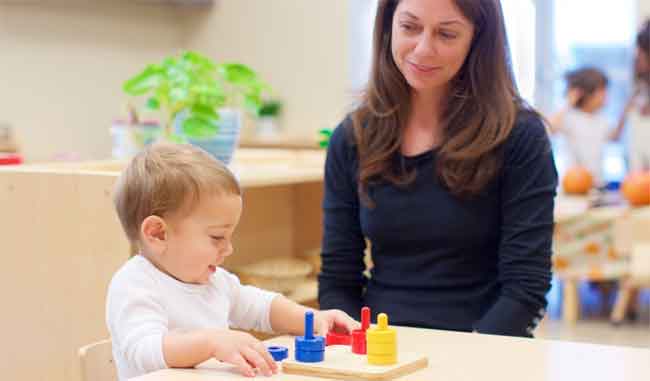
Practical life activities are the backbone of Montessori independence. Children care for themselves and their environment through real tasks like pouring, buttoning, sweeping, and food preparation. These activities build fine motor skills, hand-eye coordination, and procedural memory, while also teaching sequencing and cause-effect relationships. The real value is not the chore itself, but the child’s ability to see the task through — choosing materials, planning steps, carrying them out, and reflecting on the outcome.
How structured choice builds agency
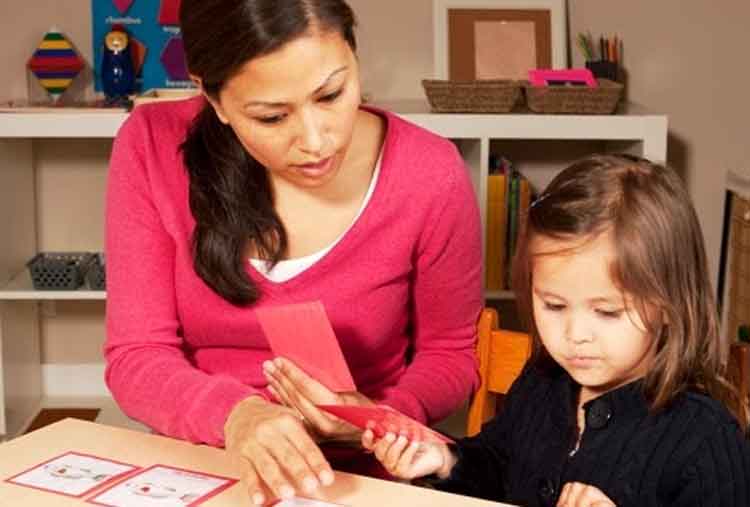
Montessori classrooms offer structured choices. Rather than being told what to do every minute, children select activities from a curated environment. This model balances freedom and limits: choices exist within an ordered framework. Over time, choosing and managing tasks builds agency. The child learns to evaluate options, manage time, and persist when a challenge arises. Teachers observe and guide, intervening only when necessary, which allows children to internalize problem-solving strategies.
Concentration, repetition, and mastery
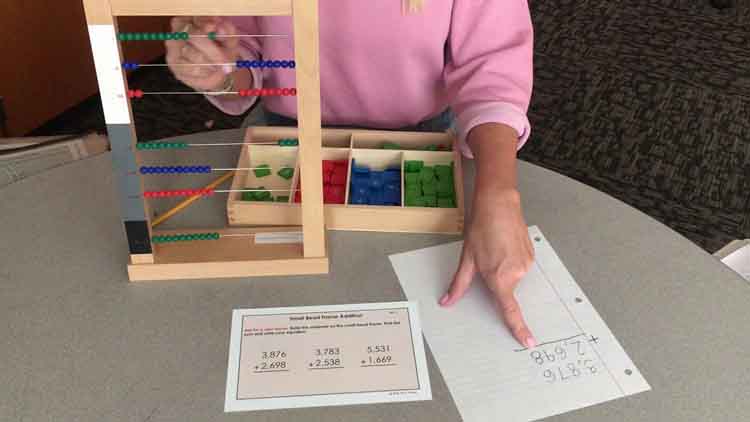
Another key element is extended concentration. Montessori materials are self-correcting and invite repetition. When a child returns to the same activity multiple times, they refine their technique and deepen understanding. This repetition fosters mastery and reduces dependence on external rewards. Instead of seeking praise, children derive satisfaction from the work itself. That intrinsic satisfaction is a major driver of lasting independence.
Social and emotional supports
Independence in Montessori is not loneliness. Mixed-age classrooms create opportunities for peer teaching and cooperative problem solving. Older children model skills and leadership, while younger children learn through observation. Social rules — like respect for materials and for classmates’ work time — create a safe space where children can take risks and learn from mistakes. Emotional literacy and self-regulation are emphasized, which supports independent decision-making and responsible behavior.
Practical tips for parents
Parents can reinforce Montessori independence at home with small, consistent changes: provide low shelving with accessible materials, involve children in daily tasks, and resist the urge to rescue them from manageable difficulties. Offer choices limited to two reasonable options, and create predictable routines. Celebrate effort rather than outcome, and model problem-solving language like, “What could we try next?” Small steps accumulate into reliable habits that empower children to act independently.
Conclusion
Montessori activities are a deliberate ecosystem for independence. Through purposeful materials, practical life tasks, structured choice, opportunities for concentration, and social supports, children develop the competence and confidence to act independently. The goal is not to complete tasks for children, but to prepare them to meet challenges with creativity, resilience, and self-direction — lifelong benefits that extend far beyond the classroom.