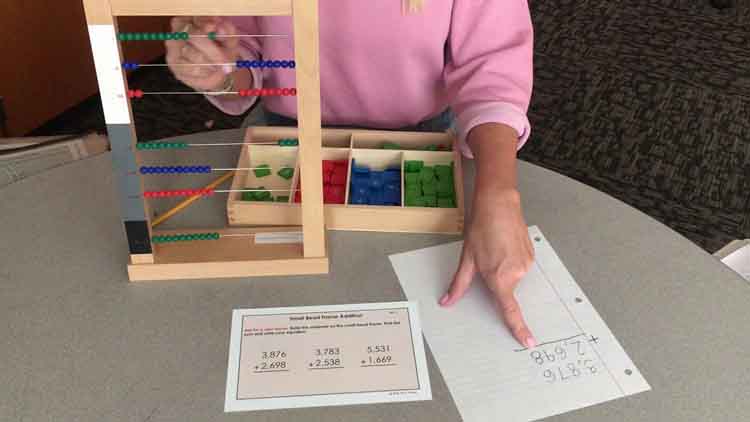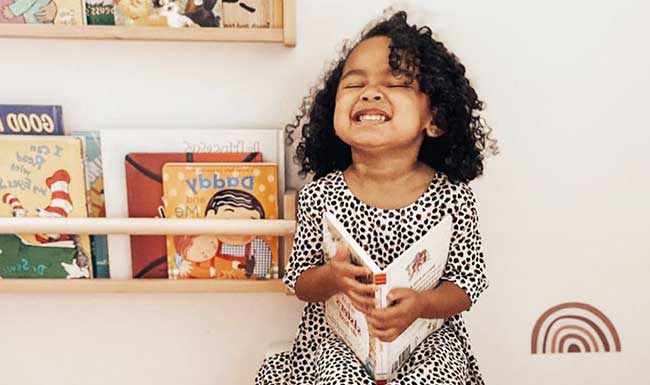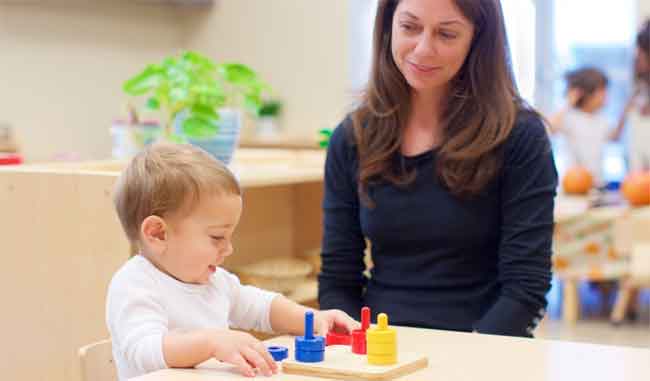
The prepared environment is the centerpiece of a Montessori classroom, meticulously crafted to support a child’s independent learning and development. It is a space designed with the child at its core, a place where everything has a purpose and a designated location. Unlike a traditional classroom with desks facing a blackboard, a Montessori environment is open, with low shelves holding child-sized materials that are easily accessible. The furniture is scaled to the child, promoting freedom of movement and a sense of belonging. The materials themselves are arranged in a logical, sequential order, from simple to complex, and are categorized into distinct areas: **Practical Life, Sensorial, Language, Mathematics, and Culture**. This order helps the child develop an internal sense of order, which is essential for logical thought. For example, in the Practical Life area, a child might find materials for everyday tasks like buttoning a shirt or pouring water. These activities not only develop fine motor skills and concentration but also foster a sense of independence and self-care. The Sensorial area, on the other hand, is dedicated to isolating and refining the child’s senses through materials like the **Pink Tower**, which teaches visual discrimination of size, or the **Sound Cylinders**, which train the auditory sense.
A key feature of the prepared environment is the **freedom within limits**. Children are free to choose their work and move about the room, but this freedom operates within a structured framework. They learn to take responsibility for their choices, returning materials to their proper place after use and respecting the work of others. This balance of freedom and responsibility fosters self-discipline and grace. The guide’s role is to maintain this environment, ensuring it remains a safe, orderly, and stimulating space. They are the link between the child and the environment, introducing a new material when they observe the child is ready for it. The environment acts as the “teacher,” and the child, through their natural curiosity and interaction with the materials, learns and grows at their own pace. The beauty of this system is that it allows the child’s natural developmental trajectory to unfold organically, without unnecessary pressure or intervention. It’s a space that cultivates not just academic skills, but also crucial life skills like concentration, coordination, independence, and a genuine love of learning. The careful design of the environment ensures that every material has a purpose, every movement is meaningful, and every experience is an opportunity for self-discovery.