Empathy is a core component of emotional intelligence and a vital skill for Montessori teachers. It enables educators to understand children’s feelings and respond in a compassionate and supportive manner.
What is Empathy?
Empathy involves the ability to understand and share the feelings of others. In a Montessori classroom, this means recognizing children’s emotional needs and responding appropriately. Empathy helps create a safe and inclusive environment where children feel valued.
Observation and Awareness
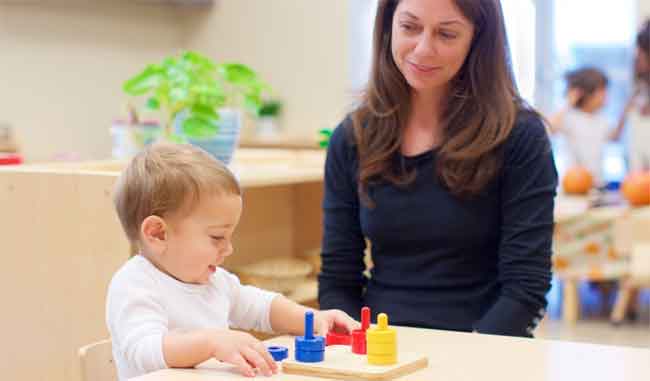
Observation is a key Montessori principle. Teachers develop empathy by observing children’s behavior, expressions, and interactions. This helps them understand what a child might be experiencing emotionally without making assumptions.
Active Listening
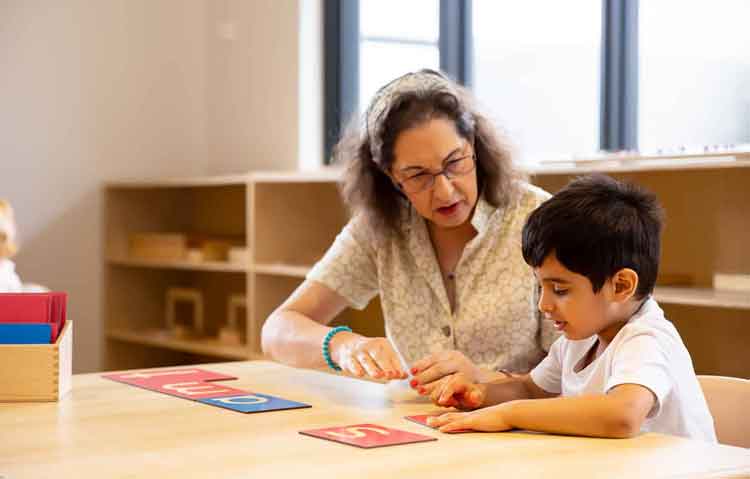
Listening is essential for empathy. Teachers should listen attentively without interrupting or judging. When children feel heard, they are more likely to express their emotions openly. This builds trust and strengthens relationships.
Responding with Care
Empathy is not just about understanding emotions but also about responding appropriately. Teachers should validate children’s feelings and guide them toward positive behavior. This approach helps children feel supported and understood.
Encouraging Emotional Expression
Teachers can encourage children to express their emotions through words, activities, or creative outlets. This helps children develop emotional awareness and communication skills.
Developing empathy is essential for Montessori teachers. It enhances communication, builds trust, and supports emotional growth in children. With consistent practice, empathy becomes a natural part of teaching.