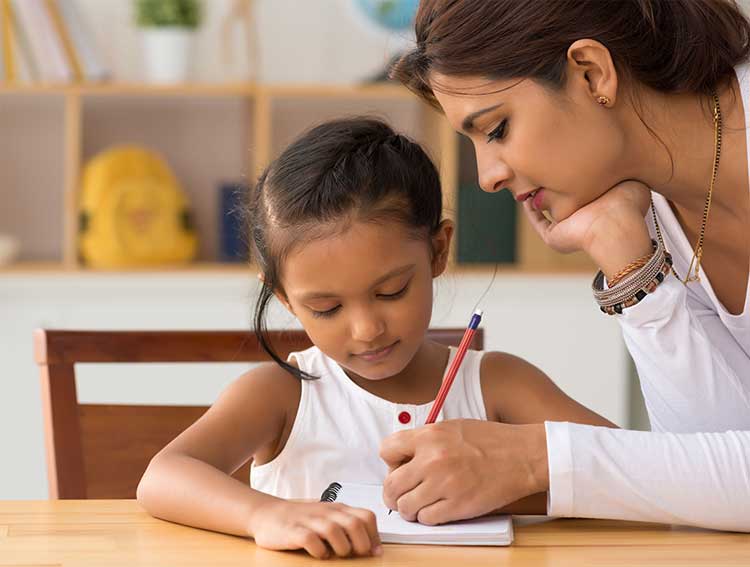
Observation as the heart of Montessori training
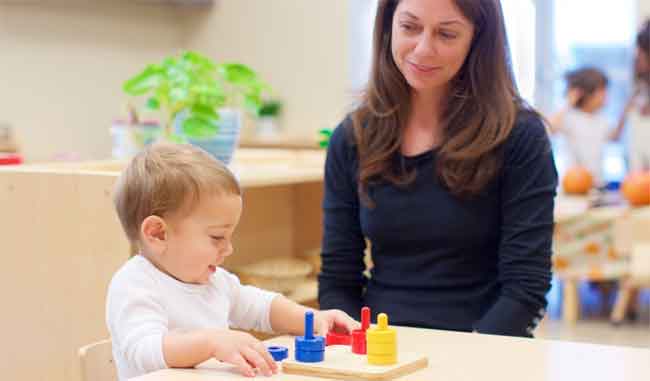
Observation is not a peripheral activity in Montessori education; it is the teacher’s central discipline. Montessori described the adult as a scientist, carefully watching children to identify sensitive periods, signs of normalization, and developmental needs. For trainees, building observation skills means learning how to see without judging, record without bias, and interpret without rushing to conclusions. Essential reading helps cultivate these capacities, blending theory, practice, and reflection.
Montessori’s own writings on observation
Several works by Maria Montessori emphasize observation as a method. In *The Montessori Method*, she describes the teacher as an observer who prepares the environment, introduces materials, and then steps back to watch the child’s self-construction. In *The Secret of Childhood*, Montessori highlights the need to notice subtle indicators—restlessness, concentration, repetition—that reveal inner processes. These readings help trainees understand that observation is not passive but active, requiring deep humility and scientific precision.
Guides to structured observation techniques
Modern training manuals often provide structured techniques for observation: grids, time-sampling charts, and anecdotal records. Essential reading here includes texts that teach observation as a skill distinct from evaluation. For example, works on child study methods emphasize how to separate descriptive notes (“child repeats pouring five times”) from interpretive judgments (“child is clumsy”). Such distinctions train the adult’s eye to collect reliable data that can later inform teaching choices.
Psychological and educational perspectives
Readings from developmental psychology support Montessori trainees in interpreting observed behaviors. Books on cognitive development, executive function, and social learning provide frameworks that enrich what trainees see. When a child perseveres with a sensorial exercise, psychology texts on attention and intrinsic motivation help interpret why. When a child withdraws socially, literature on emotional regulation provides insights. By connecting observation with psychology, trainees avoid superficial conclusions and build nuanced understanding.
Reflective practice and journaling resources
Observation matures through reflection. Books on reflective practice—such as guides to professional journaling—encourage trainees to analyze what they see in relation to theory and practice. Journaling after each observation session helps develop a habit of reflection that strengthens future observations. Essential readings in this area emphasize cyclical learning: observe, record, reflect, adjust. For Montessori trainees, reflective practice ensures that observation becomes not only data collection but also self-development.
Specialized texts for specific age groups
Observation differs depending on the age group. For children aged 0–3, readings that explain non-verbal communication, movement patterns, and sensitive periods for order are essential. For the 3–6 environment, books that highlight concentration, independence, and practical life mastery are invaluable. For elementary trainees, cosmic education texts emphasize observation of reasoning, imagination, and social collaboration. Choosing readings aligned with age level ensures observation is developmentally informed.
Linking observation to lesson planning
Essential reading also connects observation with practical lesson planning. Manuals that provide “if–then” frameworks—if a child repeats bead material extensively, then consider introducing the next abstraction—help trainees translate notes into action. Readings on responsive teaching highlight the dynamic interplay: observation leads to intervention, which prompts new observation. This cyclical approach embodies Montessori’s scientific pedagogy.
Conclusion: a reading path for observation mastery
Building Montessori observation skills requires a curated reading path: Montessori’s own descriptions of the observing teacher; structured observation technique guides; psychology texts that deepen interpretation; reflective practice resources; and age-specific observation literature. Trainees who follow this reading path develop not only sharper eyes but also disciplined minds, able to interpret children’s needs with humility and insight. In Montessori training, observation reading is not academic filler—it is the means by which teachers become true scientists of the child.