
Reasons educators gravitate toward Montessori
Educators choose Montessori training because it offers a different relationship with children and learning. Many are drawn by the emphasis on independence, deep concentration, and respect for individual developmental timelines. Montessori training equips teachers to design environments that invite learning and to observe children’s natural tendencies to determine when to introduce new concepts. For many, this approach aligns with a belief that education should honor the child’s intrinsic curiosity rather than prioritize rapid coverage of predetermined curricula.
Personal and pedagogical fit
Montessori training appeals to those who prefer to facilitate rather than deliver instruction. Individuals who value close observation, patience, and long-term relationship building often find the Montessori stance fulfilling. The pedagogy rewards subtlety: small, elegant presentations and careful corrections that allow children to develop internal standards. If you enjoy craftsmanship in teaching—refining presentations and watching a child’s quiet concentration deepen—Montessori may be a strong match.
Classroom culture and student outcomes
Montessori classrooms foster a culture of respect, collaboration, and sustained work. Teachers notice children developing longer attention spans, intrinsic motivation, and practical life competencies. For many educators, seeing children take responsibility and demonstrate self-directed learning is a powerful motivator to choose Montessori training. The methods often produce students who are independent learners and collaborative community members—outcomes many teachers find deeply rewarding.
Professional opportunities and constraints
Montessori certification opens doors in private Montessori schools and some international contexts. However, some educators consider the limitations: Montessori certification alone may not meet public school licensing requirements. Those who want a broad range of employment options sometimes pursue dual qualifications—Montessori certification alongside a state teaching license—so they can work across diverse settings.
Training intensity and practical focus
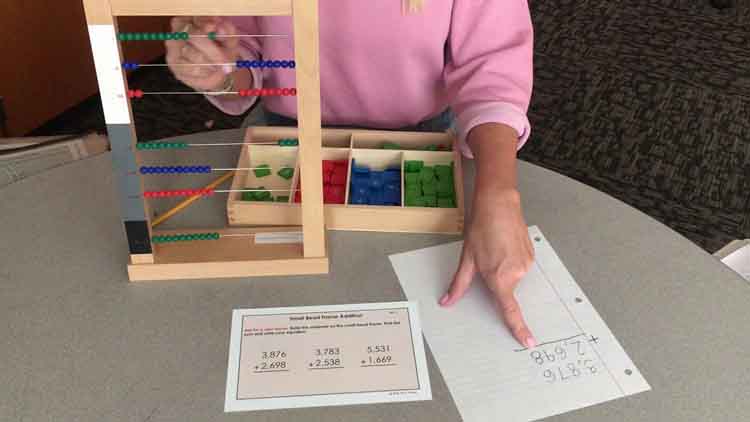
Montessori training tends to be intensely practical. Trainees spend significant time mastering materials and practicing presentations, which appeals to those who prefer hands-on learning. The practicum component—often supervised by experienced mentors—provides immediate feedback and accelerates practical competence. Traditional teacher training often includes coursework on pedagogy and educational theory with practicum components focused on classroom management and curriculum implementation.
Values alignment and professional satisfaction
Ultimately, many choose Montessori because it aligns with personal values about childhood and learning. The satisfaction of seeing children exercise choice, engage deeply, and develop inner discipline makes Montessori training attractive. That said, educators should weigh the professional realities, including certification recognition and employment opportunities, to decide whether Montessori training best serves their career goals.
Conclusion
Choosing Montessori over traditional training depends on a mix of pedagogical preference, desired classroom culture, and professional ambition. For educators committed to child-centered, observation-based practice, Montessori training offers a fulfilling pathway to foster deep learning and independence in children.