
The Importance of Precision and Purposeful Design
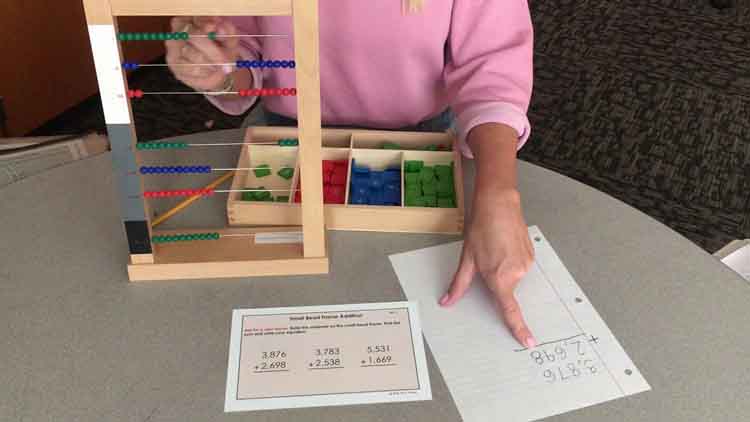
The question of making your own Montessori materials is a common one, especially for parents and new teachers on a budget. The answer is nuanced and requires an understanding of what makes a material truly “Montessori.” The short answer is yes, you can create your own materials, but they must adhere to the fundamental principles of the philosophy. A true Montessori material is not just a toy; it is a scientifically designed tool that isolates a single concept, has a built-in “control of error,” and is aesthetically pleasing. For example, a Pink Tower, which teaches visual discrimination of size, must have perfectly cubic blocks that vary in size in a precise, mathematical progression. If the blocks are not perfectly sized, the control of error is lost, and the child cannot correct their own mistake. Similarly, the Golden Beads for math must be perfectly uniform to accurately represent the decimal system. When you create your own materials, you must be meticulous in ensuring that they serve their intended purpose. The quality of the material matters. It should be durable, made from natural materials like wood, and aesthetically beautiful. This communicates a sense of respect for the child and for the work they are doing. While a homemade version of a puzzle or a pouring station can be wonderful, it’s essential to ask yourself if it meets the core criteria of a Montessori material. Is it isolating a single quality? Is it self-correcting? Is it beautifully made? If the answer is no, then it might be a wonderful learning tool, but it is not a Montessori material.
DIY vs. Authentic Montessori Materials
The debate between “DIY” and “authentic” Montessori materials is ongoing, and both have their place. For parents who are homeschooling or simply want to bring the Montessori philosophy into their home, creating simplified versions of the materials can be a great way to start. A pouring activity can be done with simple pitchers and water, and a buttoning frame can be made with a piece of fabric and a few buttons. These activities still serve the purpose of fostering concentration, independence, and fine motor skills. However, for a professional classroom, especially one seeking accreditation, authentic, professionally made materials are non-negotiable. These materials are standardized and have been rigorously tested to ensure they adhere to Maria Montessori’s original designs. The reason for this is consistency. In a classroom with multiple children, it’s essential that the materials are uniform so that every child has the same experience and can learn the same concepts. The precision of the materials is what allows the teacher to step back and allow the child to work independently. Without a built-in control of error, the teacher would have to constantly intervene, which goes against the core principle of the philosophy. So while a DIY approach can be a wonderful starting point for a home environment, it’s important to understand the limitations and the value of professionally made materials. They are an investment in the child’s learning and in the integrity of the Montessori method.
The Materials as a Key to the Curriculum
Making your own materials also requires a deep understanding of the Montessori curriculum. The materials are not just a collection of objects; they are a key to a specific, sequential curriculum. A child’s work with the Pink Tower, for example, is not an isolated activity; it is a foundational experience that prepares them for later work with the Broad Stairs and other sensorial materials, which in turn prepare them for advanced mathematical concepts. If you make your own materials without understanding this progression, you risk creating a disjointed learning experience. This is why a certified Montessori teacher training program is so essential. During the training, you don’t just learn how to use the materials; you learn the “why” behind them, the precise order of presentation, and the interconnectedness of each subject area. This knowledge is what allows you to use the materials effectively. So, while you can find tutorials and plans for making your own materials online, it’s important to remember that they are only a part of the puzzle. The true value lies in the philosophical and pedagogical knowledge that a certified training provides. Without that knowledge, the materials are just objects. With it, they become powerful tools for learning and development.
The A-B-C’s of DIY Montessori
For those who are committed to a DIY approach, here are a few things to keep in mind. First, focus on the “Aesthetic” of the materials. Use natural materials, simple colors, and keep them clean and organized. The beauty of the materials is what draws the child in. Second, focus on the “Built-in Control of Error.” This is the most important and most difficult part of a DIY project. Can the child tell if they have made a mistake on their own? This is what fosters independence. Third, focus on “Clarity.” Does the material isolate a single concept? Is it clear what the purpose of the work is? For example, if you make a puzzle, is it about learning shapes, colors, or both? The more you can focus on one thing, the more effective the material will be. Finally, remember that the materials are only a part of the philosophy. The most important thing you can provide is a prepared environment and a respectful, non-intrusive presence. A calm, orderly home with a few well-chosen DIY materials is far more “Montessori” than a home filled with expensive materials and a chaotic atmosphere. The spirit of the philosophy is what truly matters, and that is something that anyone can cultivate, with or without a full set of authentic materials.