The Art of Silent Observation
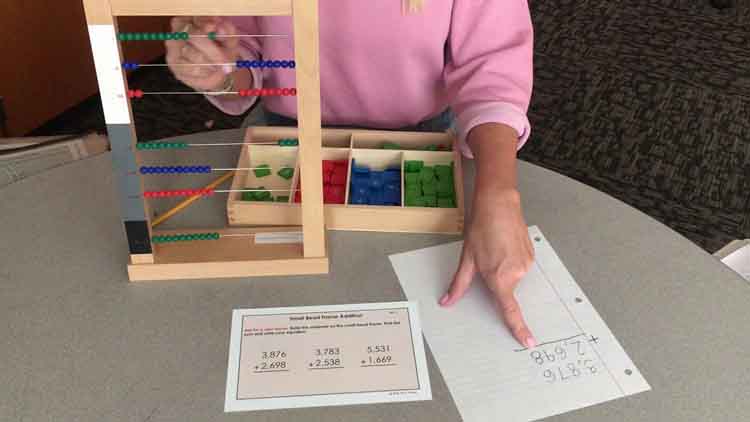
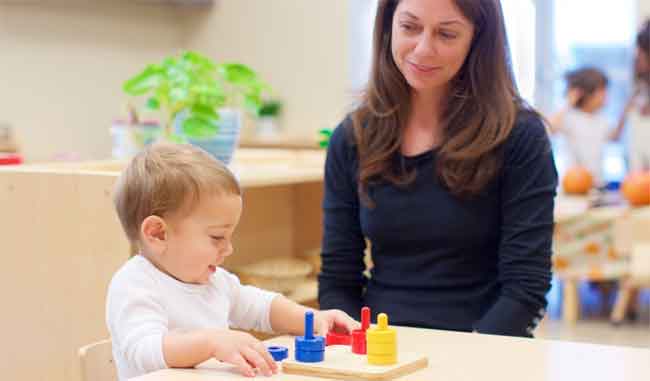
The qualities that define a good Montessori teacher are often a departure from the traits we associate with traditional teaching. At the very top of the list is the ability to observe. Dr. Maria Montessori famously said, “The greatest sign of success for a teacher is to be able to say, ‘The children are now working as if I did not exist.'” This is the ultimate goal. A good Montessori teacher is not a performer, but a detective, constantly observing the children’s movements, their interests, their frustrations, and their triumphs. This observation is not casual; it is a systematic, ongoing process that informs every decision. The teacher notes which materials a child is drawn to, how long they work with them, and whether they are ready for a new challenge. This deep understanding of each child as a unique individual is what allows the teacher to provide precisely what they need, when they need it. The art of observation is a skill that is heavily practiced and refined during Montessori teacher training. It requires patience, a quiet presence, and a genuine belief that the child holds the key to their own development. A good teacher knows when to step in and when to step back, and this can only be done through meticulous and respectful observation. It is a profound shift from a teacher-centered classroom to a child-centered one, and it is the single most important skill a Montessori teacher can possess.
Patience, Humility, and Trust
In the Montessori philosophy, the teacher is not the star of the show; the child is. This requires a level of patience and humility that is a cornerstone of the profession. A good Montessori teacher has an unending supply of patience. They understand that learning happens at the child’s pace, not a schedule. They will watch a child struggle with a buttoning frame for days, even weeks, without intervening, because they know the triumph of self-mastery is far more valuable than a quick fix. This patience is born of a deep trust in the child’s innate wisdom and their “inner teacher.” The Montessori teacher trusts that the child is on a path of self-construction and that their role is to facilitate that journey, not to control it. This trust requires humility, the ability to let go of the ego and to find joy in the child’s independent discoveries, rather than taking credit for them. The teacher’s role is to be a quiet guide, a “guardian angel” in the classroom, whose presence is felt but not intrusive. They are a resource for the child, not a boss. This mindset is a radical departure from the traditional model, but it is what allows a Montessori classroom to be a place of peace, focus, and genuine learning. The patience, humility, and trust of the teacher are the invisible foundations upon which the entire classroom is built.
A Deep Understanding of the Prepared Environment
A good Montessori teacher is a master of the prepared environment. The prepared environment is not just a classroom with materials; it is a carefully curated space that is designed to meet the physical, intellectual, and psychological needs of the child. A good teacher is meticulous about maintaining this environment. The materials are always in their designated place, clean, and in excellent condition. This sense of order provides a sense of security and predictability for the child, which is essential for their concentration and learning. The teacher is responsible for ensuring that the environment is “alive” and responsive to the children’s changing needs. They are constantly rotating materials, adding new challenges, and observing what the children are interested in. They also understand that the environment is not just about the physical space; it is about the emotional and spiritual atmosphere. A good teacher creates a climate of respect, kindness, and collaboration. They model grace and courtesy, and they teach children how to resolve conflicts peacefully. They are the “guardian” of this peaceful atmosphere, and they understand that a child can only learn when they feel safe, secure, and respected. The teacher’s relationship with the environment is a deep and ongoing one, and it is a key component of their success in the classroom.
A Commitment to Lifelong Learning
The journey of a Montessori teacher does not end with a certificate; it is a commitment to a life of learning and self-improvement. A good teacher is always a student. They are constantly reading, observing, and reflecting on their practice. They are open to new ideas and willing to adapt their approach based on the needs of the children. They see their work as a spiritual and scientific endeavor, a constant process of discovery and refinement. The most effective teachers are those who are passionate about their work and who find joy in the smallest of moments, whether it’s a child’s first independent success with a material or a profound moment of concentration. They understand that they are not just teaching a subject; they are helping to shape a human being. The work is not easy; it requires immense dedication, emotional resilience, and a willingness to step outside of the traditional roles we have come to expect of a teacher. But for those who are called to it, it is a profession that offers a profound sense of purpose and fulfillment. A good Montessori teacher is not just a job title; it is a way of being in the world, a way of seeing children, and a commitment to helping them become the best versions of themselves.
The Teacher as a Bridge to the World
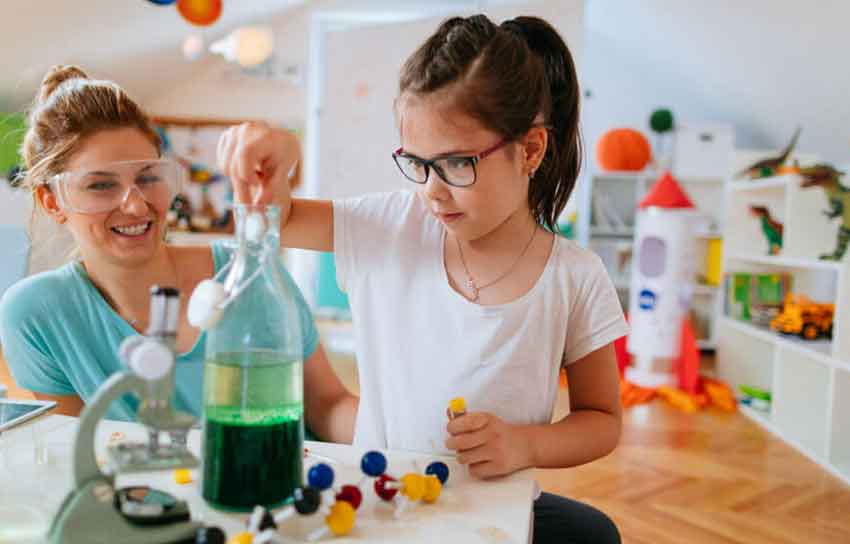
Finally, a good Montessori teacher is a bridge between the child and the world. They understand that their role is to help the child make sense of their environment and to connect them with the vast and wonderful world around them. They introduce children to cultures, geography, history, and science in a way that is hands-on and meaningful. They are not just teaching facts; they are sparking a sense of wonder and curiosity. They understand that a child’s education is not just about academics; it is about developing a deep respect for the Earth, for other people, and for themselves. The teacher models this respect in everything they do, from the way they handle the materials to the way they speak to the children. They create a classroom that is a microcosm of a peaceful and productive society. This is the ultimate goal of Montessori education: to help children become not just smart, but also kind, compassionate, and responsible citizens of the world. A good Montessori teacher is at the heart of this process, guiding, inspiring, and nurturing the child on their incredible journey. Their influence extends far beyond the classroom, and their work is a legacy of love, respect, and learning that will last a lifetime.