A Rhythm of Work, Community, and Discovery
For parents accustomed to the structure of traditional preschools—with their teacher-led group activities, themed art projects, and scheduled centers—a glimpse into a Montessori classroom can seem both intriguing and perplexing. The day does not revolve around a teacher’s lesson plan but around the individual and collective rhythm of the children themselves. While every school has its own specific schedule, the “typical day” in an authentic Montessori Children’s House is characterized by a few key elements: a long, uninterrupted work period, a balance of individual and community time, and a consistent routine that fosters a sense of security and independence. This predictable rhythm provides the freedom and structure children need to engage in the deep, focused work of self-construction.
Arrival and a Calm Beginning
The Montessori day begins with a calm and orderly transition from home to school. As children arrive, they are greeted individually by the guide with a handshake and a warm welcome. This simple act of respect sets the tone for the day. The children then enter the classroom and independently manage their belongings, hanging their coats on low hooks and putting their bags in their cubbies. They might change from outdoor shoes to indoor slippers. This routine is not rushed. It is a practical life activity in itself, allowing the child to take ownership of their space and their transition. Once settled, they do not wait for a group activity to begin. They are free to scan the environment, perhaps greet a friend, and then choose their first piece of work from the shelves. This quiet, self-directed start allows each child to ease into the day at their own pace, honoring their individual energy levels and interests from the moment they walk through the door.
The Great Work: The Uninterrupted Work Cycle
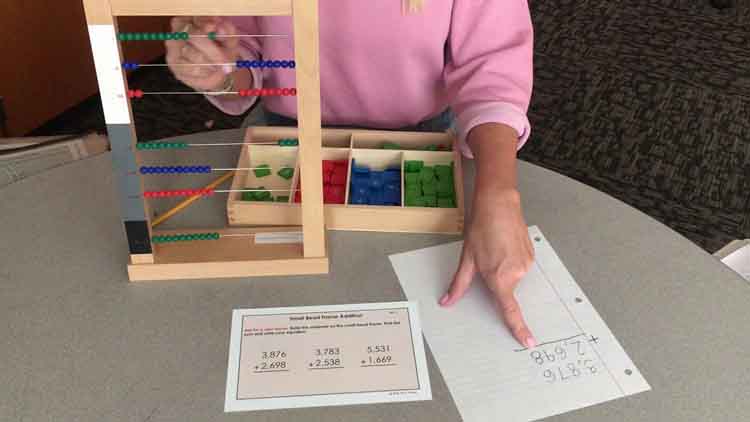
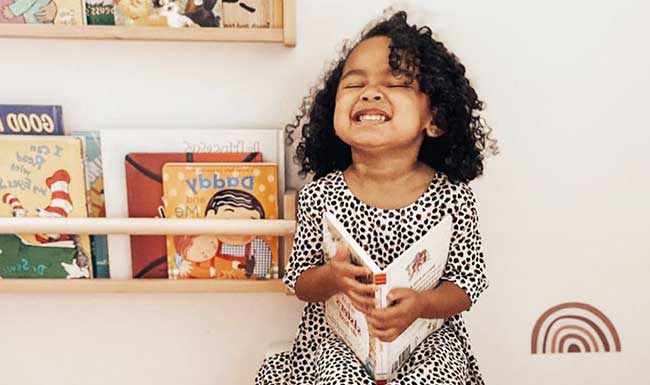
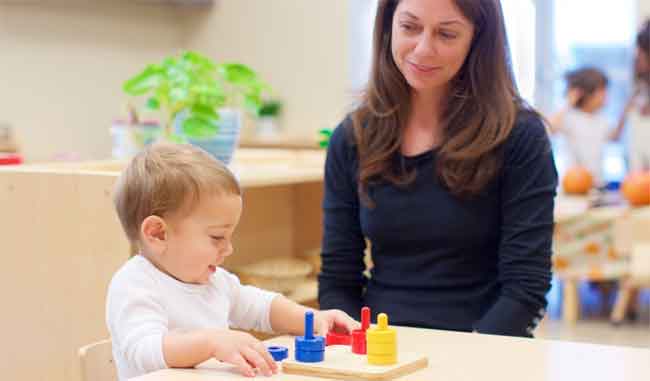
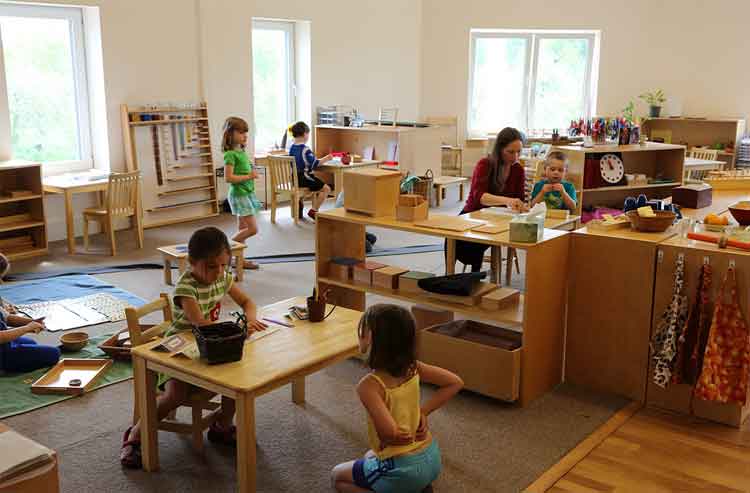
The heart of the Montessori morning is the two-and-a-half to three-hour uninterrupted work cycle. This is the period when the magic truly happens. During this time, the classroom is a hub of purposeful activity, but it is a surprisingly quiet and peaceful hum. There are no whole-group lessons or teacher-directed activities. Instead, each child is engaged in their own chosen task. One child might be carefully scrubbing a table in the Practical Life area, another might be building the Pink Tower, a small group might be working together with the Golden Beads, and another child might be curled up in a cozy corner with a book. The guide moves gracefully and quietly through the room, observing the children, and presenting new lessons to individuals or small groups when they see a child is ready for a new challenge. Children are free to move about the room, to get a drink of water, or to use the restroom as needed. They are also free to work on an activity for as long as it holds their interest. This extended period is crucial for allowing children to enter into deep states of concentration, the “great work” that Dr. Montessori identified as essential for building the mind. Snack is typically available on a small table during this period, and children can choose to have their snack when they are hungry, another act of independence.
Community Time: Gathering and Sharing
While much of the work is individual, community is also a vital part of the Montessori experience. Towards the end of the morning work cycle, the guide will often gather the children for a group meeting, often called “line time” or “circle time.” This is a time for shared experiences. The group might sing songs, listen to a story, have a discussion, or be presented with a Grace and Courtesy lesson. It’s a time for celebrating birthdays or sharing news. This gathering provides a sense of belonging and allows children to practice the skills of being a respectful member of a group: listening when others are speaking, waiting for a turn, and participating in a shared activity. This community time is intentionally kept shorter than the work period, respecting the young child’s primary need for individual, hands-on exploration. It serves as a joyful transition before the next part of the day, such as heading outside for playtime.
Outdoor Time, Lunch, and Dismissal
After a morning of intense concentration, outdoor time provides a necessary opportunity for gross motor movement, fresh air, and free social interaction. The playground is seen as an extension of the classroom, another environment for exploration and learning. Lunch is another key practical life and community experience. Children help set the table, serve themselves, and clean up their own space. It is a relaxed social time, with conversations flowing naturally. For children who stay for the full day, the afternoon may include a nap or quiet time for the younger children, while the older children (typically the kindergarteners) may have a second, shorter work period, often engaging in more advanced, long-term projects. The day ends as it began, with a calm and orderly dismissal routine, as children gather their belongings and say goodbye to their guide and friends, leaving the classroom with a sense of accomplishment and peace.