Focusing on the Philosophy, Not the Purchases
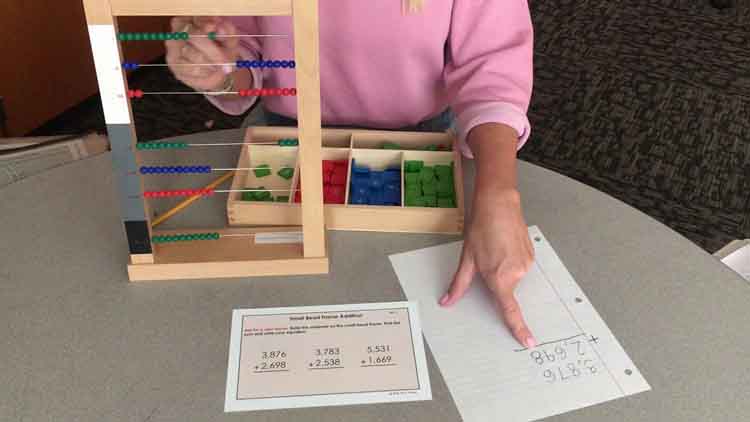
When people envision Montessori, they often picture the iconic materials: the Pink Tower, the Golden Beads, the colorful puzzle maps. These beautifully crafted, scientifically designed tools are indeed a central feature of the Montessori classroom. Their high cost and specific nature can lead many parents to believe that “doing Montessori” at home is an expensive or unattainable goal. However, this is a fundamental misunderstanding of the method. The materials are tools to serve a philosophy; they are not the philosophy itself. The true essence of Montessori is a deep respect for the child and a commitment to supporting their natural development. It is entirely possible to implement the core principles of Montessori in your home and daily life without ever purchasing a single piece of official equipment. The focus should be on preparing the environment and the adult, not on acquiring a specific set of products.
The Prepared Adult: The Most Important “Material”
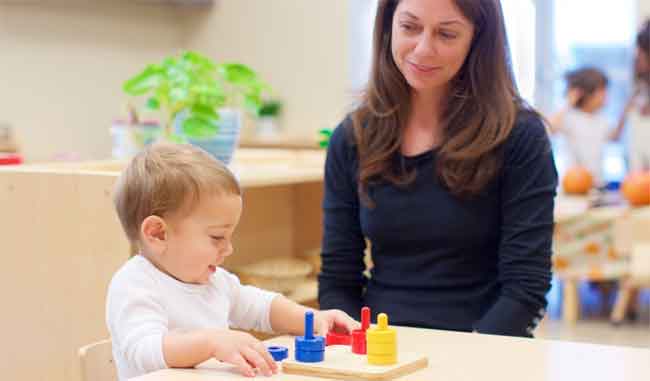
In the Montessori view, the most crucial element in the child’s environment is the prepared adult. This is far more important than any material on a shelf. A prepared adult is one who has cultivated an attitude of respect, patience, and trust towards the child. It means learning to observe your child carefully to understand their needs and interests, rather than imposing your own agenda. It means learning when to step in and offer help, and, more importantly, when to step back and allow your child to struggle and solve problems for themselves. This requires a significant shift in perspective for most parents. We must move from being directors and entertainers to being facilitators and guides. This involves slowing down, using precise language, demonstrating tasks with care, and modeling grace and courtesy in all our interactions. Cultivating this internal preparedness is the real work of doing Montessori at home. You can have a house full of materials, but without a prepared adult to guide the child’s interaction with them, it is not an authentic Montessori experience.
Practical Life: The Ultimate DIY Curriculum
The entire curriculum of Practical Life, which is the foundation of a Montessori education, requires no specialized materials. The “materials” are the real, everyday objects in your home. The “activities” are the meaningful tasks of daily life. Inviting your child to participate in these tasks is the most effective way to foster the skills of concentration, coordination, independence, and order that are the goals of the Practical Life area.
- Instead of a dressing frame, you have a child’s own coat with its zipper and their own shoes with their laces or Velcro.
- Instead of a pouring activity with colored water, you have a small pitcher for them to pour their own milk at snack time.
- Instead of a table scrubbing work, you have a cloth to wipe up a real spill.
- Instead of a food prep activity with wooden fruit, you have a real banana to slice for a snack.
Harnessing the Natural World for Sensorial Learning
The natural world is the original and best sensorial material. A walk outside offers a richer sensory experience than any classroom shelf. You can engage all of the senses without any special equipment.
- Visual: Collect leaves and sort them by color, shape, or size. Observe the subtle differences between different types of rocks.
- Tactile: Feel the rough bark of a tree and the smooth surface of a river stone. Walk barefoot on grass and then on sand.
- Auditory: Lie on the grass with your eyes closed and listen. Can you distinguish the sound of the wind from the sound of a bird or a distant car?
- Olfactory: Smell different flowers, crush a pine needle or a mint leaf between your fingers and smell it.
Language, Math, and Culture are Everywhere
The principles behind the academic areas of the classroom can also be seamlessly integrated into daily life. Language is cultivated by speaking respectfully, reading books together, and telling stories. Early math concepts are not about worksheets but about real-world application: counting the stairs as you climb them, sorting socks into pairs, noticing that one apple is larger than another. Culture, which encompasses science and art, is explored through cooking, gardening, listening to different types of music, looking at art, and, most importantly, following the child’s own passionate interests. If your child is fascinated by dinosaurs, that is your curriculum. You can find books, visit museums, and draw pictures. This is the essence of “following the child,” a principle that is far more important than any single material on a shelf.