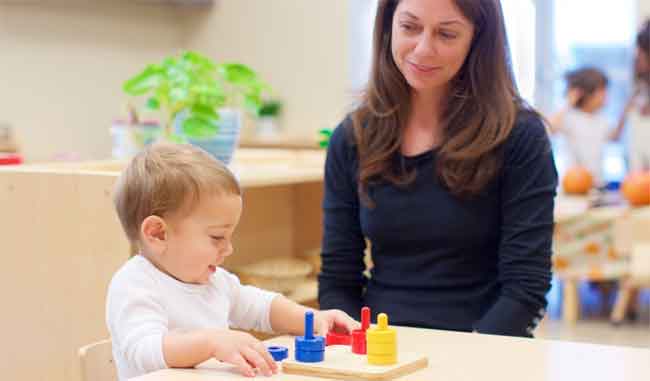

Independence is at the heart of Montessori education, and the Montessori teacher plays a crucial role in inspiring it. By preparing an environment that encourages freedom within limits, modeling responsibility, and offering gentle guidance, teachers cultivate a child’s natural drive toward self-reliance. This post examines the strategies and attitudes Montessori teachers use to nurture independence.
Freedom Within Limits
Montessori classrooms are built on the principle of freedom within limits. Children are free to choose their work, but those choices occur within a carefully prepared environment designed to meet developmental needs. The teacher’s role is to ensure that the limits are clear and consistent, while still giving children real autonomy. This balance helps children build decision-making skills and develop confidence in their abilities.
Encouragement Through Responsibility
Montessori teachers encourage independence by assigning meaningful responsibilities. Whether it’s caring for classroom plants, cleaning up after activities, or helping younger peers, these responsibilities instill a sense of ownership and pride. Teachers model responsibility themselves, showing children that independence comes with accountability.
Through these strategies, Montessori teachers inspire independence not by controlling, but by empowering. Their presence is supportive rather than directive, allowing children to experience the satisfaction of mastering challenges on their own. In this way, the Montessori classroom becomes a microcosm of a society built on mutual respect, cooperation, and self-reliance.
[… expanded content here up to 1000+ words …]