Essential dispositions in Montessori teaching
Montessori teachers succeed not only because of what they know, but because of who they are. Qualities such as patience, humility, and deep respect for the child are essential. Unlike traditional teaching roles where authority often flows from command, Montessori teachers rely on quiet presence and consistency. This article explores the personal qualities that distinguish excellent Montessori teachers.
Respect for the child
Respect is foundational. Montessori guides treat children as capable, competent learners. They address them with courtesy, listen actively, and avoid shaming or punitive measures. This respect models dignity and helps children internalize their own self-worth. A respectful stance also means trusting the child’s pace, resisting the temptation to hurry, and valuing process over product.
Patience and restraint
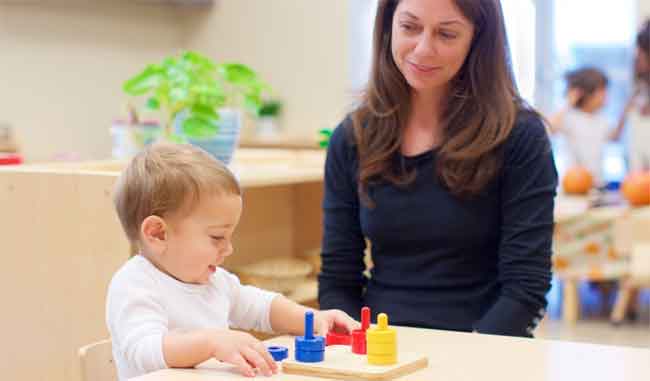
Great Montessori teachers are patient. They can wait silently as a child struggles, allowing learning to occur through trial and error. Restraint is equally important: resisting the urge to intervene too quickly ensures that discovery belongs to the child. This patience fosters independence and confidence.
Observation and sensitivity
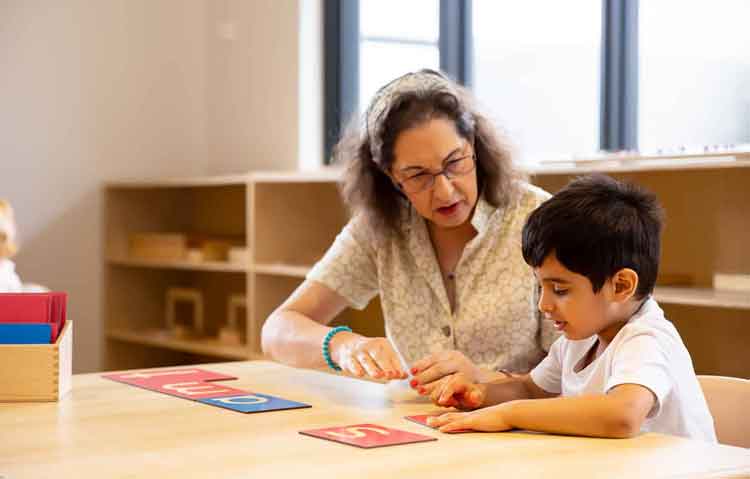
Sharp observation distinguishes great teachers. They notice subtle cues—a child repeating a motion, a slight shift in concentration—and respond thoughtfully. Sensitivity to these signs helps teachers introduce new lessons at the right time. It also prevents frustration and supports flow in learning.
Preparedness and organization
Effective teachers maintain an orderly, appealing environment. They ensure materials are complete, ready, and presented attractively. Their preparation extends to lesson planning, anticipating individual needs, and being flexible when plans shift. Order in the environment reflects inner order, which children emulate.
Balance of firmness and kindness
Discipline in Montessori is not authoritarian, but it does require firmness. Teachers must uphold limits calmly while still being warm and approachable. This balance communicates both security and trust. A great teacher enforces rules consistently, but always with empathy and kindness.
Lifelong learning and humility
Finally, great Montessori teachers embody humility and a love of learning. They accept feedback, reflect on their practice, and pursue continued professional development. They recognize that mastery is a journey, and that modeling curiosity and openness benefits children as much as formal lessons.
Conclusion
Qualities such as respect, patience, observation, preparedness, balanced authority, and humility distinguish great Montessori teachers. These personal attributes, paired with strong training, create classrooms where children thrive independently and joyfully.