
In a world that is constantly changing, with new technologies and new demands, many parents wonder if the **Montessori** method, with its seemingly old-fashioned wooden materials and focus on hands-on work, can truly prepare a child for the challenges of the future. The answer lies in the philosophy’s emphasis on fostering a child’s inner qualities, not just on rote memorization or academic achievement. The skills and mindset developed in a Montessori environment—such as independence, concentration, and a love of learning—are the very skills that are essential for success in the 21st century. But how does this approach, so different from traditional education, prepare a child for a world that is constantly in flux?
### The Foundation of Independence and Concentration
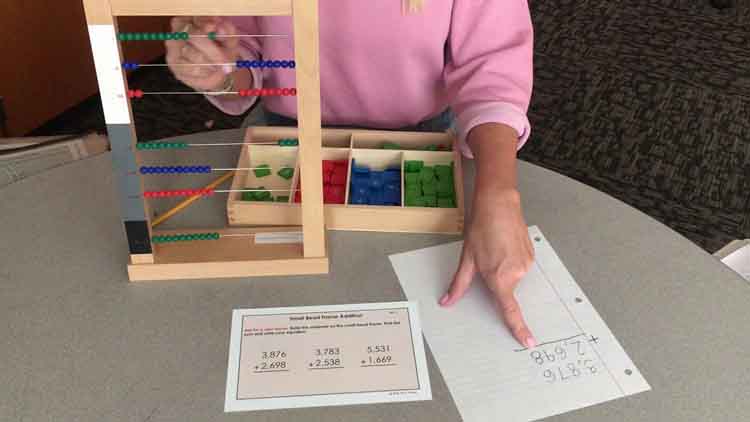
The Montessori method is built on the belief that a child’s first and most important job is to become independent. The prepared environment, with its child-sized furniture and accessible **Montessori materials**, is designed to empower a child to do things for themselves. When a child can choose their own work, use it without adult assistance, and return it to its proper place, they are building a sense of competence and autonomy. This independence is also linked to the development of concentration. When a child is engaged in purposeful work, they are able to enter a state of deep focus, or “concentration.” This is a skill that is not only essential for academic learning, but also for success in any field. A person who can focus on a task, block out distractions, and persevere until they have achieved mastery is a person who is prepared for life.
### The Development of Problem-Solving Skills
The **Montessori materials** are not just for learning; they are for developing problem-solving skills. Each material has a built-in control of error, which means that the child can see for themselves if they have made a mistake. For example, in the Cylinder Blocks, if a cylinder doesn’t fit in its hole, the child knows they have placed it incorrectly. This allows the child to self-correct and to learn from their own mistakes. This is in contrast to a traditional classroom, where a child is often dependent on the teacher for feedback and correction. In a Montessori environment, the child learns to trust their own abilities and to become their own teacher. This is a powerful foundation for a lifetime of learning and growth.
### The Role of the Mixed-Age Classroom
The mixed-age classroom is a key component of the Montessori method that prepares a child for life in a diverse and collaborative world. In a typical classroom, a child from different age groups—for example, ages 3-6—learn and grow together in a single community. This arrangement allows older children to act as mentors and leaders, reinforcing their own knowledge and building their sense of leadership and empathy. Younger children, in turn, are inspired by the work of their older peers, creating a natural flow of learning that transcends a rigid, age-based curriculum. This social dynamic is a powerful tool for developing social skills, empathy, and a sense of community, all of which are essential for success in a world that is increasingly collaborative.
### The Educator’s Role: A Guide to the Future
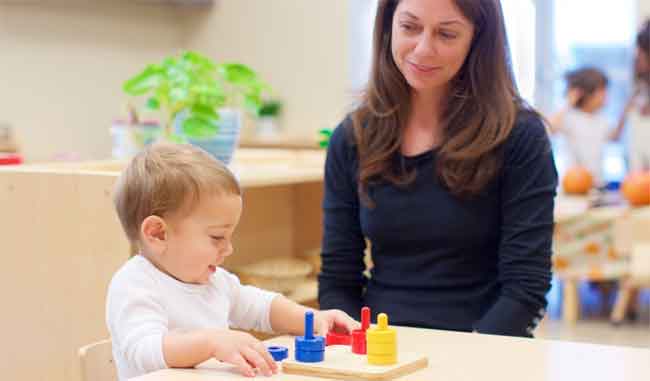
The role of the educator in a Montessori environment is also essential to preparing a child for life. The skills learned during **Montessori teacher training**—such as observation, humility, and a deep respect for the child—are the very skills that are needed to guide a child in the 21st century. A trained teacher is not just an instructor; they are a guide, a mentor, and a spiritual presence who creates an environment where a child can thrive. They know when to present a lesson, when to stand back, and when to simply observe the miracle of a child’s self-construction. This is a profound shift from the traditional teacher-centric model, and it is a skill that is meticulously taught in training.
In conclusion, the **Montessori** method is not just an educational philosophy; it is a way of life that prepares a child for a world that is constantly changing. By fostering independence, concentration, problem-solving skills, and a love of learning, it provides a child with a foundation for a lifetime of success and fulfillment. But is this approach truly more effective than traditional education, and is it a direct result of a dedicated **Montessori teacher training**? The Montessori philosophy suggests that it is.