
The Science of Purposeful Design
At first glance, Montessori materials might seem like beautifully crafted toys, but they are far more than that. Each piece is the result of decades of scientific observation by Dr. Maria Montessori. The unique design of these materials is not arbitrary; it is rooted in a deep understanding of how children learn and develop. The primary difference is the concept of “isolation of a single quality.” Unlike many educational tools that teach multiple concepts at once, a Montessori material is designed to focus on one thing and one thing only. For example, the Color Tablets are exclusively about color discrimination. The child is not distracted by different shapes or sizes; their attention is directed solely to the varying shades. This isolation allows the child to focus, to internalize the concept with clarity, and to master it before moving on. The materials are also built with a “control of error,” meaning they are self-correcting. The child can immediately see if they have made a mistake without the need for an adult to point it out. This feature is revolutionary because it empowers the child to become their own teacher. The self-correction removes the fear of failure and fosters a sense of independence and intrinsic motivation. It shifts the learning process from being an external, teacher-led activity to an internal, child-led exploration. This purposeful design, built on scientific observation, is what truly sets Montessori materials apart from other educational toys.
The Progression from Concrete to Abstract
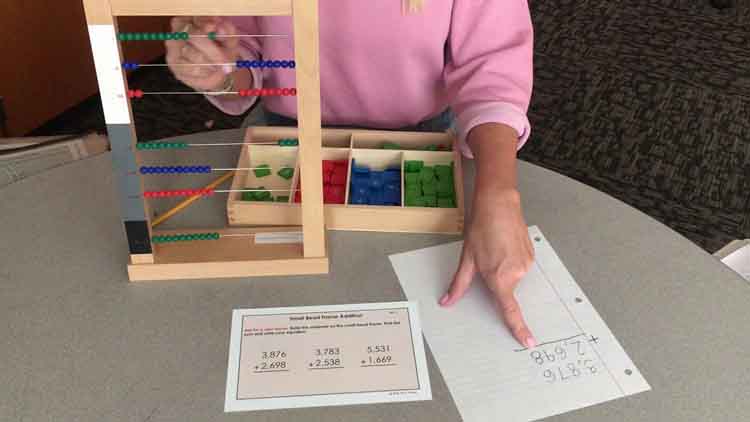
Another fundamental difference of Montessori materials is their carefully planned progression from concrete to abstract. This approach mirrors the natural development of a child’s mind. Children under the age of six are in the “sensorial” plane of development; they learn by touching, seeing, and doing. The Montessori materials are a direct response to this need. The Golden Beads, for instance, are not just a tool for learning math; they are a concrete representation of the decimal system. A child can physically hold a thousand cube, feel its weight, and understand its relationship to a hundred square, a ten bar, and a single unit bead. This hands-on experience provides a strong foundation that makes the later, abstract work with numbers and symbols much more intuitive. The progression is meticulously planned. A child might first work with the knobbed cylinders, which refine their visual and motor skills, then move to the Binomial Cube, which lays the groundwork for algebraic concepts, and finally transition to the stamp game for abstract arithmetic. This interconnectedness ensures that learning is a continuous, seamless process. Each material builds upon the knowledge and skills gained from the previous one, so the child is never asked to make a conceptual leap they are not ready for. The progression of the materials respects the child’s developmental journey and ensures that learning is a logical and joyous process rather than a series of disconnected facts to be memorized.
The Role of the Materials in the Prepared Environment
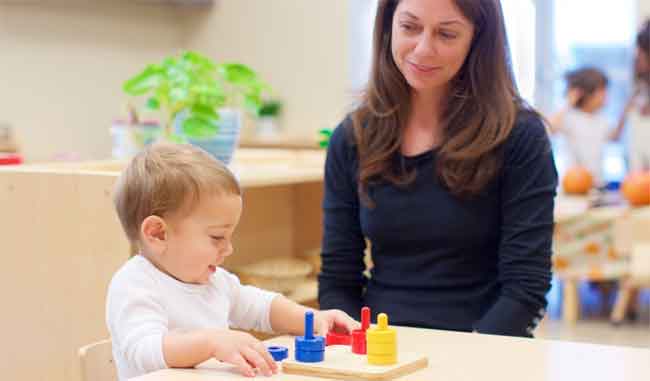
Montessori materials are not just individual objects; they are an integral part of the “prepared environment.” This is a key concept that distinguishes Montessori education from others. The prepared environment is a carefully curated classroom that is designed to meet the child’s needs. The materials are arranged on low, open shelves in a specific order, from simple to complex. This order provides a visual curriculum for the child, allowing them to choose their own work and move through the materials at their own pace. The environment is also designed for beauty, with natural light and a calm, orderly feel. The materials themselves are often made from natural materials like wood, and they are kept in pristine condition. This communicates a sense of respect for the child and for the work they are doing. The prepared environment is a silent teacher, guiding the child to engage with the materials and explore their own interests. The teacher’s role is to act as a “guardian of the environment,” ensuring that the materials are always in their place and in excellent condition. This is a significant departure from traditional classrooms, where materials are often locked away or distributed by the teacher. In a Montessori environment, the materials are always accessible, inviting the child to engage in “purposeful work.” The success of the materials is inextricably linked to the success of the prepared environment. It is the context that gives the materials their power, allowing the child to become a self-directed learner.
Cultivating Life-Long Skills and Intrinsic Motivation
Beyond the academic concepts they teach, Montessori materials are designed to cultivate essential life skills and foster intrinsic motivation. When a child works with the Practical Life materials—such as a spooning or pouring exercise—they are not just learning to be neat; they are developing concentration, coordination, independence, and a sense of order. These are foundational skills that will benefit them in all areas of their lives. The self-correcting nature of the materials also has a profound psychological impact. It teaches the child that mistakes are not something to be ashamed of, but a natural part of the learning process. It removes the need for external validation, such as a teacher’s praise or a good grade, and helps the child find satisfaction in the work itself. This intrinsic motivation is a key indicator of a person’s success and happiness in life. When a child is intrinsically motivated, they learn for the joy of learning, not for a reward. This is a skill that will last a lifetime. In a world that often prioritizes external validation and standardized testing, the Montessori approach stands as a powerful alternative. The materials are not just for learning; they are for developing the whole child—their mind, their spirit, and their character. They are designed to help the child become a confident, independent, and curious individual who is prepared to face the world. This focus on the “whole child” is what makes Montessori materials truly unique and why they have stood the test of time for over a century.
The Role of the Teacher and the Future of Montessori
The final and perhaps most important distinction of Montessori materials is their symbiotic relationship with the teacher’s role. While the materials are designed for independent work, they are not meant to be used without guidance. The teacher’s job is to give a precise, silent presentation of the material, showing the child how it is used. This is a skill that is heavily practiced in Montessori teacher training. After the presentation, the teacher steps back and allows the child to work independently, acting as a “guardian angel” who is present but not intrusive. The teacher observes the child’s work, notes their progress, and knows when to introduce the next material. This respectful, non-intrusive role is a significant departure from traditional teaching. The materials allow the teacher to act as a guide, not a giver of knowledge. This frees up the teacher to focus on their most important role: observing the child and ensuring the environment is meeting their needs. The future of Montessori education is bright, and as more parents and educators become aware of the profound impact of these materials and the philosophy behind them, the demand for trained professionals will only continue to grow. The materials are not just a part of the classroom; they are the heart of the Montessori method, and understanding their purpose and power is the first step in a lifelong journey of learning and discovery.