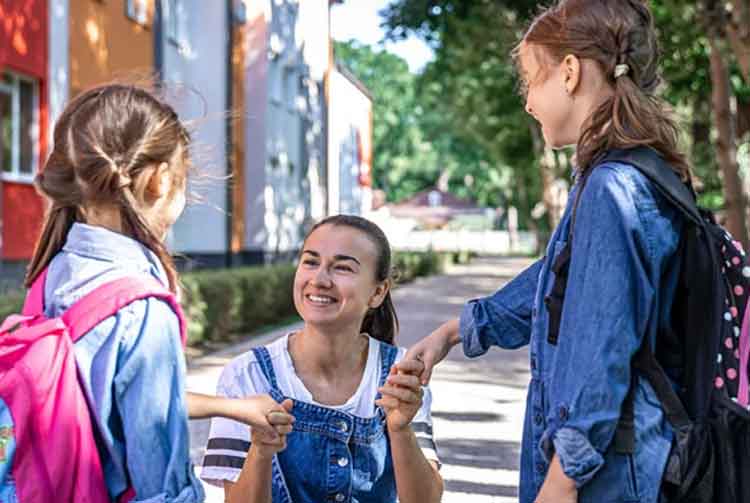
Social development embedded in daily work
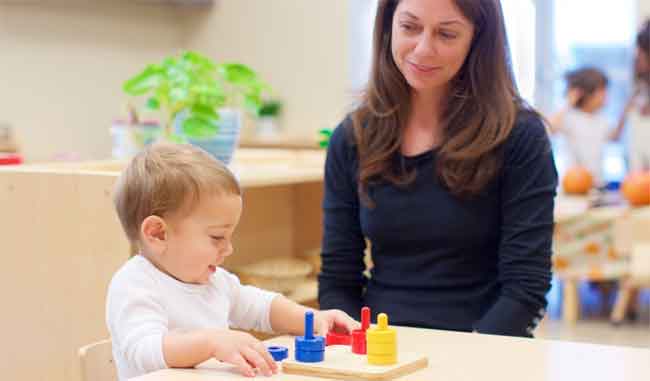
Montessori education intentionally embeds social learning within everyday activities. The classroom’s mixed-age composition and collaborative tasks encourage children to practice communication, empathy, and conflict resolution in authentic contexts. Social skills emerge naturally as children navigate real interactions — taking turns, offering help, and negotiating roles — within a calm and prepared environment.
Mixed-age groups and peer teaching
One of Montessori’s distinguishing features is mixed-age classrooms, typically spanning three-year cycles. Older children model behaviors and skills, which reinforces their own learning while offering younger children concrete examples to emulate. Peer teaching builds leadership and fosters respect for diverse abilities. Younger children gain confidence by learning from peers, and older children develop patience and responsibility.
Grace and courtesy lessons
Montessori classrooms often include explicit “grace and courtesy” lessons where teachers demonstrate polite interactions, conflict resolution phrases, and ways to ask for help. These scripted but flexible lessons offer language and routines that children use during social friction, reducing escalations and promoting cooperative solutions. The predictable wording empowers children to express needs calmly and clearly.
Cooperation through shared materials
Materials and activities in Montessori are arranged to encourage respectful sharing. Procedures for borrowing, returning, and caring for materials instill habits of responsibility. Cooperative projects — from group care tasks like watering plants to collaborative cultural studies — provide repeated practice in teamwork and shared ownership of outcomes.
Emotional regulation and self-awareness
Social competence depends on emotional regulation. Montessori environments provide tools for reflection: calm corners, breathing exercises, and teacher-led conversations that name feelings. By learning to identify emotions and practice calming strategies, children build the internal resources needed for successful social interactions. Teachers coach rather than punish, supporting children in repairing relationships after conflict.
Practical suggestions for families
Families can support social skill development by modeling respectful communication, creating opportunities for mixed-age play, and teaching simple scripts for apologies and requests. Encourage children to help at home, practice turn-taking, and reflect on feelings after disagreements. These consistent practices create alignment between home and school, reinforcing social learning.
Conclusion
Montessori activities support social skills by creating a structured yet flexible environment where children practice real interactions. The blend of mixed-age learning, explicit social lessons, and cooperative materials cultivates empathy, leadership, and emotional self-regulation — foundational skills for healthy relationships and successful collaboration throughout life.