Start with clarity
Yes, you can begin Montessori teacher training at home through self-study and many accredited programs that offer distance learning components. However, full certification — especially from recognized Montessori training centers — typically requires some in-person practicum or observation. This post explains pathways, realistic expectations, and how to blend home study with practical experience.
Understanding types of training
Montessori training comes in several forms: short parent courses, certificate courses for assistants, and full diplomas for lead teachers (often for specific age ranges like infant-toddler, primary, or elementary). Accredited bodies such as AMI or AMS set rigorous standards; check requirements when choosing a program.
Online and hybrid options
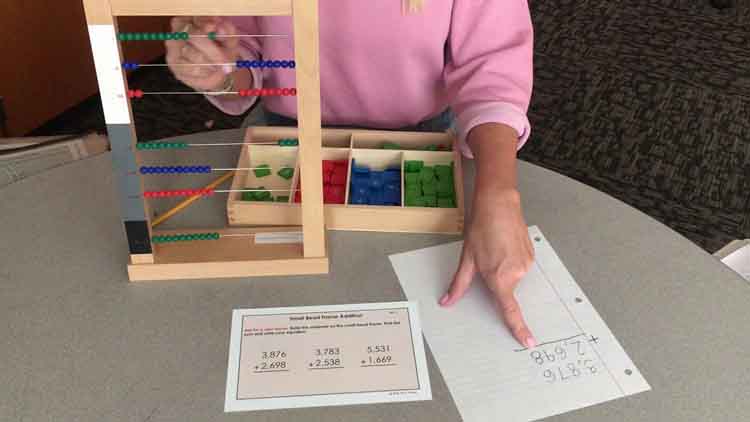
Many reputable training centers now offer hybrid programs: theoretical coursework online combined with local supervised practicum hours. Online modules cover philosophy, child development, lesson presentations, and curriculum. The practicum allows trainee teachers to practice material presentations and lead small group lessons under mentorship — an essential step for hands-on mastery.
Practicum and supervised experience
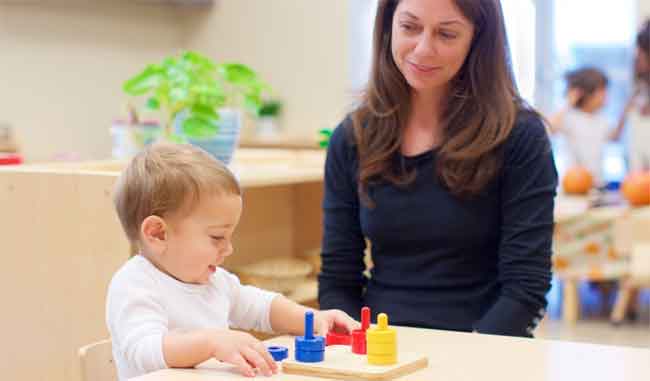
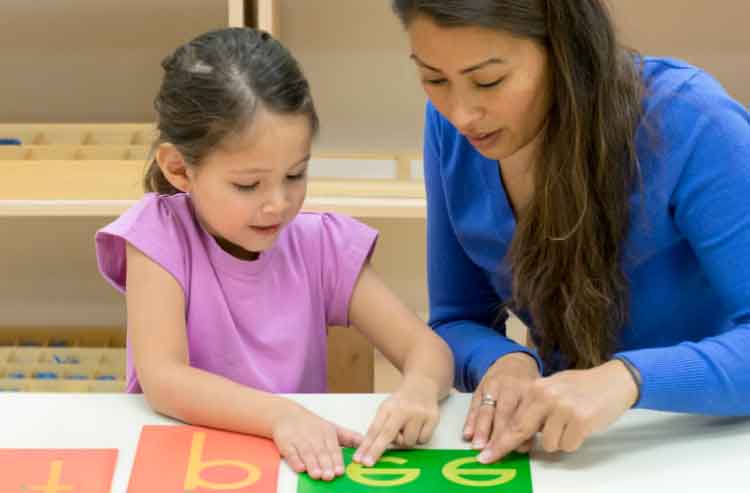
Even if much coursework is online, seek opportunities for supervised observation and practice. Some programs partner with local Montessori schools; others accept documented home practicum supervised by a certified guide. Ensure any practicum meets the accrediting body’s hour requirements if you plan to pursue formal certification.
Self-study and home practice
While working through theory, apply lessons at home: practice presenting materials, refine observation skills, and keep detailed records of child responses. Building a home portfolio of lesson plans, observations, and reflections strengthens understanding and can sometimes count toward practicum hours depending on program policies.
Selecting a program
Consider accreditation, faculty qualifications, practicum options, and the level of mentorship. Accredited programs aligned with AMI or AMS standards are recognized internationally but may also be more demanding. Shorter parent courses are valuable for caregivers but do not substitute for full teacher certification.
Costs and time commitment
Full diploma programs can be costly and take months to a year or more, depending on intensity. Hybrid and online options may reduce expenses and allow part-time study. Balance your goals — parenting, homeschooling, or professional certification — against the time and financial investment required.
Next steps and practical tips
- Begin with a parent-level course to confirm your interest.
- Volunteer at or observe in a Montessori classroom when possible.
- Document home practice and seek mentorship from a certified guide.
- Check accreditation standards if professional certification is your goal.
Conclusion
Training as a Montessori teacher at home is possible and increasingly supported by hybrid programs. While theory can be mastered remotely, hands-on practicum — whether in a school or supervised home setting — remains essential for authentic certification. With careful planning, you can combine home study and practical experience to build competency and, if desired, pursue formal credentials.