Introduction
Beginning Montessori homeschooling is both a practical and philosophical undertaking. At its heart, Montessori homeschooling asks caregivers to move from directing children’s every moment to creating an environment that invites independent exploration. This post walks you through the first steps — preparing the space, observing the child, choosing materials, and establishing routines — so you can start with confidence and clarity.
Understand the Montessori philosophy
Montessori is child-centered: it prioritizes respect for the child, hands-on learning, and self-directed activity. For homeschooling parents, this means shifting from “teaching” in the traditional sense to becoming a prepared guide. You will focus on creating a predictable, orderly environment and designs that promote concentration and independence.
Prepare the physical environment
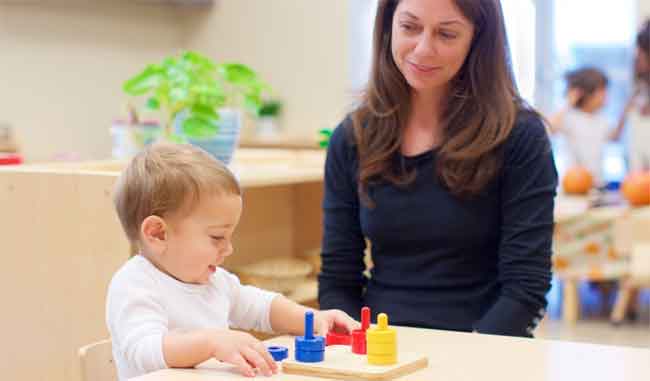
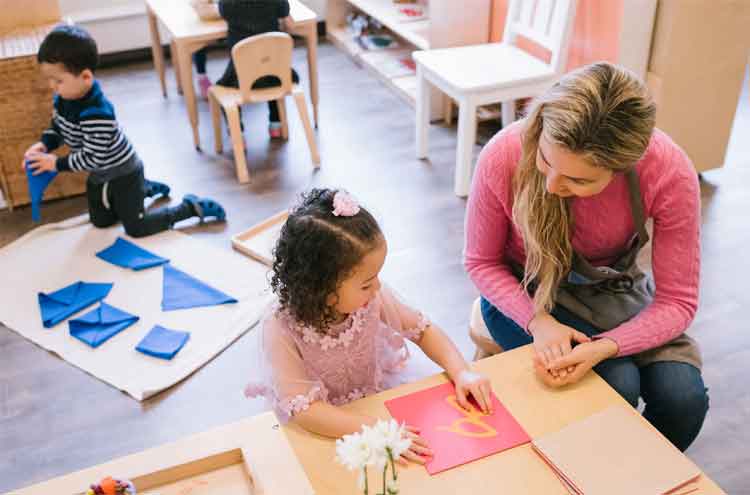
Start with a dedicated area in your home — it doesn’t need to be a whole room. Choose low shelving, a small table and chairs sized for your child, and baskets or trays for materials. Ensure materials are accessible: the child should be able to see, reach, and return items without adult help. Keep the area uncluttered and rotate materials so the environment feels fresh but not overwhelming.
Choose initial materials thoughtfully
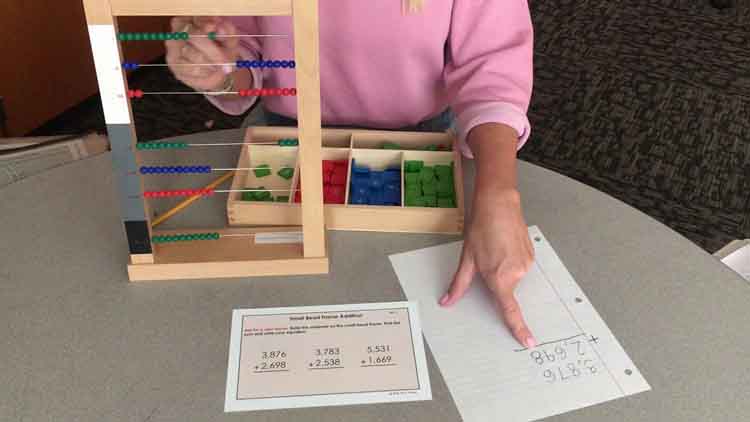
Prioritize sensorial and practical-life materials in early months. Pouring, spooning, and transferring activities build coordination and concentration. Sensorial materials like touch boards or sound cylinders refine the child’s perception. Language toys, movable alphabet letters, and simple math beads can come later as interest develops.
Observe before intervening
Observation is the key tool of Montessori educators. Spend time watching the child engage with the space and materials. Note how long they concentrate, which activities attract them, and where frustration appears. Use those observations to guide which materials to offer next and when to introduce new challenges.
Establish gentle routines and freedom
Create a rhythm rather than a rigid timetable. Young children thrive with predictable sequences: waking, practical life work, free exploration, outdoor time, and meals. Within that rhythm, allow extended blocks of uninterrupted work time so the child can enter deep concentration. Resist the urge to fill every minute with structured lessons.
Support independence with everyday tasks
Montessori practical life is powerful. Teach children to pour water, dress themselves, prepare simple snacks, and care for plants or pets. These tasks build motor skills, self-confidence, and the sense that they contribute meaningfully to family life.
Learn and adapt your role
Your role evolves from teacher to observer, demonstrator, and subtle guide. Demonstrate materials carefully, using slow, precise movements and minimal words. After a demonstration, step back and allow the child to repeat the task many times. Offer concise correction only when necessary.
Find resources and community
Books, online communities, and local Montessori groups are invaluable. Consider attending short Montessori parent workshops or a Montessori teacher training module if you’re seeking deeper knowledge — even a basic parent course can shift your approach profoundly.
Conclusion
Starting Montessori homeschooling is less about having a perfect setup and more about adopting the Montessori stance: respect, observation, prepared environment, and encouragement of independence. Begin small, observe carefully, and expand the environment and expectations as the child grows. Over time, the rewards show up in calmer mornings, deeper concentration, and a child who is empowered to learn.