The Multi-Sensory Approach to Literacy
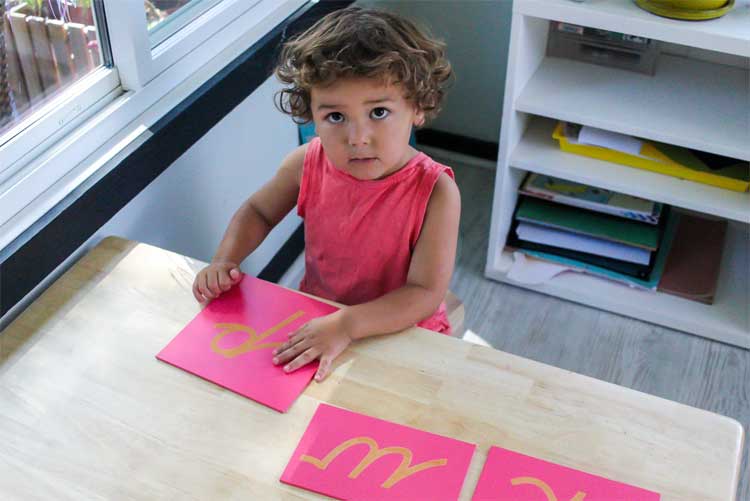
In the Montessori environment, the journey toward literacy begins not with a pencil and paper, but with the fingertips and the ear. The Sandpaper Letters are perhaps the most iconic language material, designed to provide a multi-sensory link between the sound of a letter and its physical form. These materials consist of wooden tablets where each letter is rendered in rough sandpaper against a smooth background. When a child traces the letter with their index and middle fingers, they are receiving three simultaneous impressions: the visual shape of the letter, the tactile sensation of its texture, and the auditory sound provided by the guide. This triad of sensory input creates a powerful neurological connection that bypasses the need for rote memorization.
Isolating the Phonetic Sound
A critical aspect of Montessori teacher training is understanding that we do not teach the names of the letters initially; we teach their phonetic sounds. Instead of saying “This is the letter Bee,” the guide says, “This is /b/.” This distinction is vital because children cannot blend letter names to form words, but they can blend sounds. The Sandpaper Letters allow the child to focus entirely on the relationship between the symbol and the sound. By isolating the phonetic element, we simplify the complex task of learning to read and write. The child’s mind begins to categorize these symbols as tools for communication rather than abstract characters. This phonetic foundation ensures that when the child eventually encounters a word, they have the phonetic decoding skills necessary to understand it.
Muscle Memory and Hand Preparation
Tracing the Sandpaper Letters is a direct preparation for the mechanical act of writing. As the child follows the rough path of the letter, they are developing the “muscular memory” required to reproduce that shape later with a pencil. In Montessori pedagogy, we recognize that the hand is the instrument of the intellect. By the time a child is asked to write on paper, their hand already “knows” the shape of every letter in the alphabet. This reduces the frustration often associated with early handwriting. Furthermore, the letters are typically presented in cursive or a continuous script, which flows more naturally with the child’s circular hand movements. This rhythmic tracing fosters a sense of grace and precision, turning a technical skill into a sensorial pleasure.
The Transition to Encoding
Once a child has mastered a handful of Sandpaper Letters, they are ready to begin “encoding”—the process of putting sounds together to create thoughts. The guide uses the Three-Period Lesson to ensure the child can identify the letters by sound and eventually recall them spontaneously. This material bridges the gap between hearing a sound and seeing a symbol. It is the first step in the “explosion into writing,” where the child realizes they can use these sandpaper symbols to represent the world around them. By providing a concrete, tactile experience, the Sandpaper Letters ensure that the child’s first steps into the world of language are grounded in success and discovery, rather than abstract struggle.