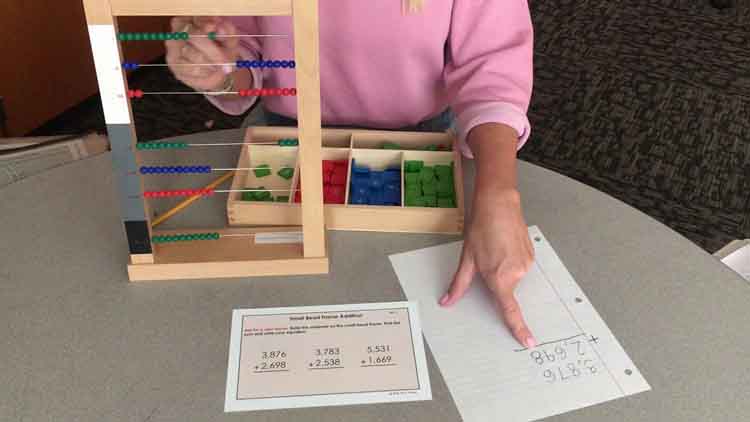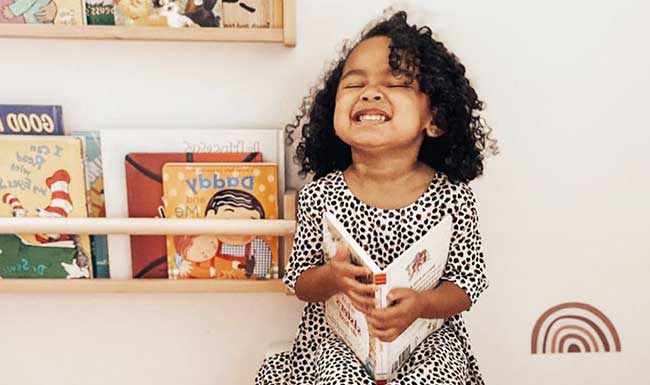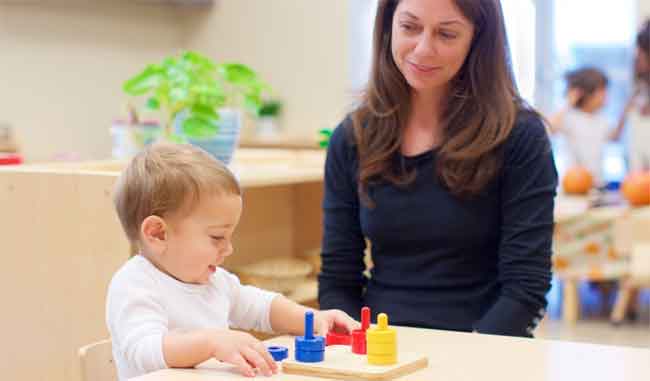
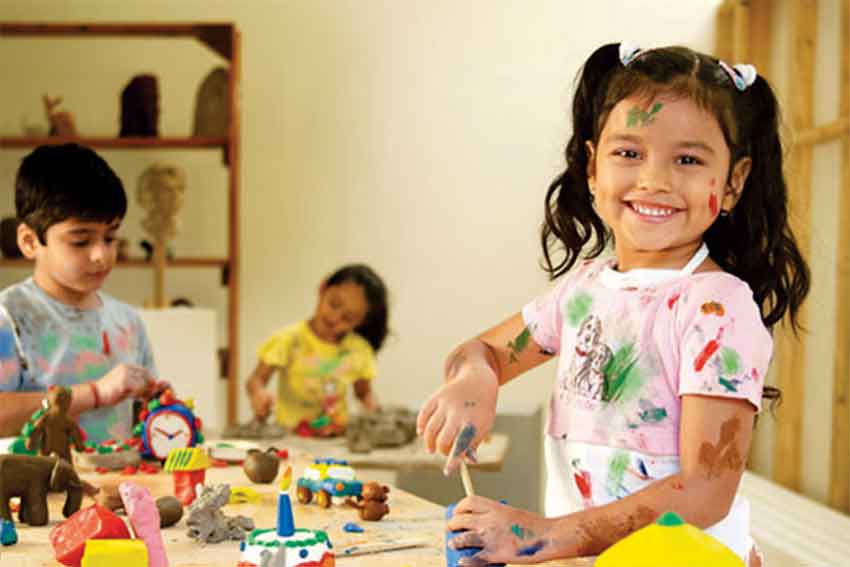
The **Montessori** method is often associated with a specific classroom setting, complete with elegant, wooden **Montessori materials** and a serene, organized environment. However, the core principles of the philosophy—respect for the child, observation, and fostering independence—are not confined to a school. In fact, they are perfectly suited to be integrated into the home environment. The skills learned during **Montessori teacher training** can be incredibly valuable for parents and caregivers who wish to apply these principles at home. But is it truly possible to create a Montessori-inspired home, and will it have a lasting impact on a child’s development?
### The Prepared Home Environment
Just as the Montessori classroom is a “prepared environment,” so too can the home be. This means creating a space that is orderly, accessible, and designed to meet the child’s developmental needs. This can be as simple as placing a small chair and table in the kitchen, a low shelf in the living room for books and toys, or a designated space for art supplies. The key is to make the environment accessible to the child so they can engage with it independently. The toys and materials in the home should be purposeful, beautiful, and in good condition. The goal is to create a space that invites the child to explore, learn, and contribute to the family’s life. This is in contrast to a home where a child’s toys are scattered everywhere and they are dependent on an adult for everything.
### Practical Life at Home
One of the most important components of the Montessori method, which is deeply explored in **Montessori teacher training**, is “Practical Life.” These are activities that teach children essential life skills, such as pouring water, sweeping the floor, and preparing snacks. These activities are not just about learning a skill; they are about building concentration, coordination, and a sense of responsibility. In a Montessori-inspired home, these activities are not chores, but purposeful work that the child is eager to engage in. A parent can provide a child with a small broom and dustpan, a child-sized pitcher for pouring water, or a small bowl for cutting fruit. By allowing a child to participate in these activities, a parent is not only teaching them a skill but also instilling a deep sense of self-worth and a love of work.
### The Role of the Parent as a Guide
The parent’s role in a Montessori-inspired home is similar to that of the educator in a classroom. They are a guide, not an instructor. This requires a deep sense of humility and a trust in the child’s innate drive to learn. It means observing the child to see what they are interested in and providing the appropriate materials. It means stepping back and allowing the child to struggle and to make their own mistakes. It means refraining from unnecessary intervention and praise. This is a difficult shift for many parents, who are used to a more hands-on, instructional approach. But the skills learned in **Montessori teacher training** can be a powerful tool for parents who wish to cultivate this role.
### The Impact on the Family
A Montessori-inspired home can have a profound impact on the entire family. When a child is given the freedom to be independent and to contribute to the family’s life, they become a more confident and responsible member of the community. This can lead to a more peaceful and harmonious home environment, as a child who is engaged in purposeful work is less likely to engage in misbehavior. The parent, in turn, can find a deep sense of joy and fulfillment in watching their child grow and develop. This is a powerful antidote to the stress and chaos that often define modern family life.
In conclusion, the principles of the **Montessori** method are not confined to a classroom. They are a powerful tool for parents and caregivers who wish to create a home environment that fosters a child’s independence, confidence, and love of learning. By creating a prepared environment, by incorporating Practical Life activities, and by embracing the role of a guide, a parent can provide their child with a foundation for a lifetime of growth and discovery. But is it truly possible to live a Montessori lifestyle, and will it have a lasting impact on a child’s development? The parents and educators who have adopted this philosophy suggest that the answer is a resounding yes.