The “prepared environment” is arguably the most recognizable component of the **Montessori** method. At first glance, it may simply look like a beautifully organized classroom. However, to a trained **Montessori** educator, it is a dynamic, living entity designed with a singular purpose: to foster a child’s independence. This is a concept that is not just taught in **Montessori teacher training**, but is lived and breathed within the classroom walls. But how does this carefully constructed environment empower children to become self-reliant learners, and is this method truly effective in a modern world that often values structure over freedom?
### The Philosophy of the Prepared Environment
Dr. Maria Montessori’s work was founded on the belief that children have an innate drive to learn and grow. She saw them not as empty vessels to be filled with knowledge, but as individuals with immense potential for self-construction. The prepared environment is a physical manifestation of this belief. Everything within the classroom, from the size of the tables and chairs to the placement of the materials on low shelves, is designed to be accessible to the child. This accessibility is the first step towards independence. When a child can easily choose a work, use it, and return it without adult assistance, they are building a sense of competence and autonomy.
### Order and Purpose in Materials
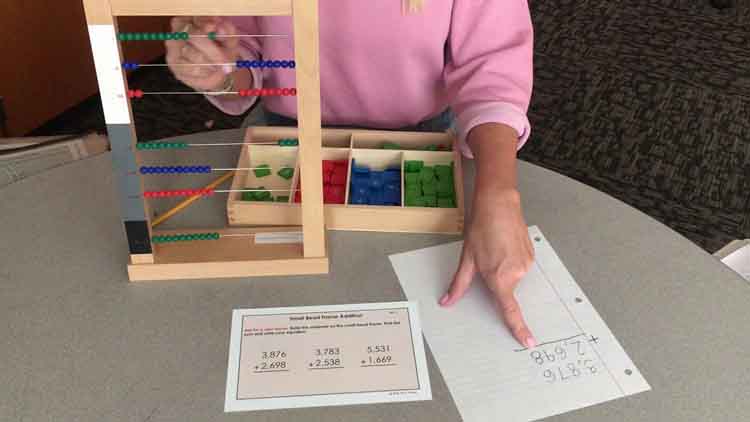
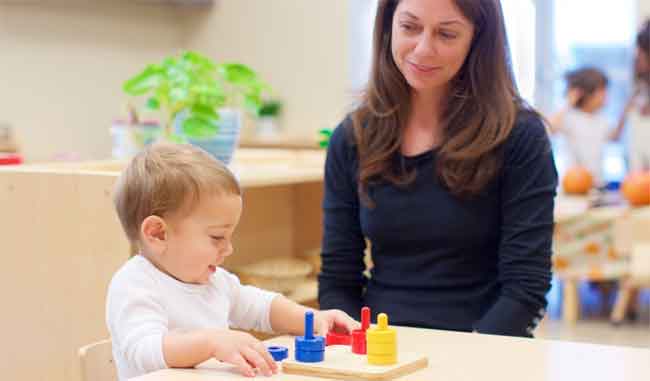
The **Montessori materials** themselves are a key component of the prepared environment. They are not random toys but purposeful tools, each with a specific learning objective. The materials are arranged in logical sequences, inviting the child to move from simple to complex concepts. This order provides a sense of security and clarity for the child, reducing cognitive overload and allowing them to focus on the task at hand. The built-in “control of error” is another genius feature of the materials. When a child works with a material, they can see for themselves if they have made a mistake. For example, in the Cylinder Blocks, if a cylinder doesn’t fit in its hole, the child knows they have placed it incorrectly. This allows the child to self-correct and become their own teacher. This feature is a powerful tool for fostering a child’s confidence and independence.
### The Role of the Trained Educator
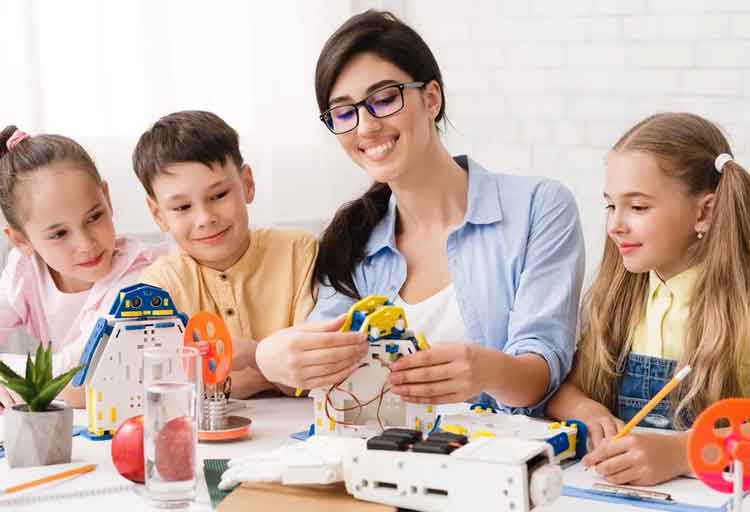
The role of the educator in a prepared environment is paramount, a skill that is cultivated during **Montessori teacher training**. The teacher’s job is not to be a source of all knowledge, but to be a link between the child and the environment. They introduce the child to the materials with a brief, clear lesson, and then they step back, allowing the child to engage with the work on their own. This is where the trust and observation skills of the educator come into play. The teacher must trust that the child will find the work they need and will learn from their own mistakes. They must observe the child to know when to introduce a new material and when to simply let the child work in peace. This is a profound shift from the traditional teacher-centric model, and it is a skill that is meticulously taught in training.
### Freedom Within Limits
The prepared environment operates on the principle of “freedom within limits.” The freedom is in the child’s choice of work; they are free to choose any activity from the shelves that has been presented to them and to work with it for as long as they like, provided they use it respectfully and return it properly. The limits are the very structure of the environment and the materials themselves. This balance of freedom and structure allows a child to explore and master concepts at their own pace, without feeling overwhelmed or confined. This is in contrast to a traditional classroom where learning is often dictated by a rigid schedule and curriculum. The Montessori environment, by its very design, empowers the child to take ownership of their own education, which is the ultimate form of independence.
In conclusion, the prepared environment is a testament to Dr. Montessori’s deep respect for the child as an individual. It is a space that respects their need for movement, their desire to work with their hands, and their innate drive to learn. It is a place where a child can achieve concentration, a state of deep engagement that is the gateway to all true learning. A teacher trained in this method is not a mere instructor but a guardian of this sacred space, a facilitator who knows when to present a lesson, when to stand back, and when to simply observe the miracle of the child’s self-construction. Without this meticulously prepared environment and the **Montessori teacher training** that supports its creation, would the entire philosophy of child-led learning simply collapse? The prepared environment, far from being just a classroom, is a testament to the power of surrounding children with purpose and beauty, and in doing so, unlocking their truest selves.