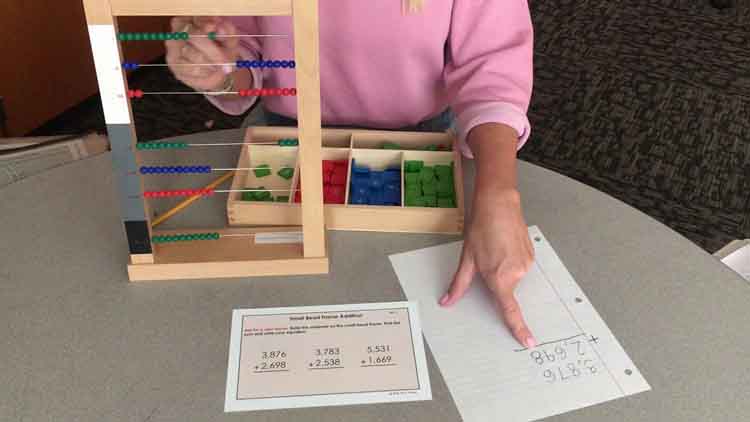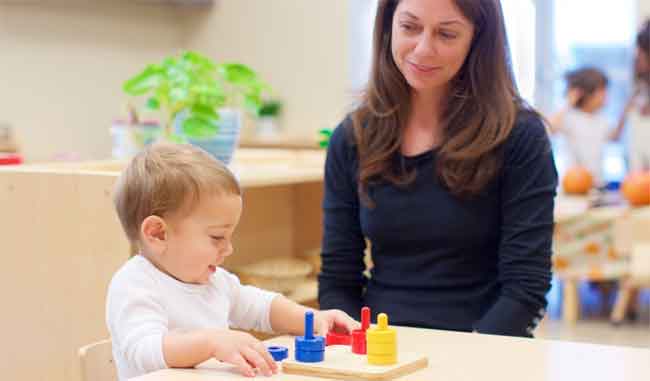
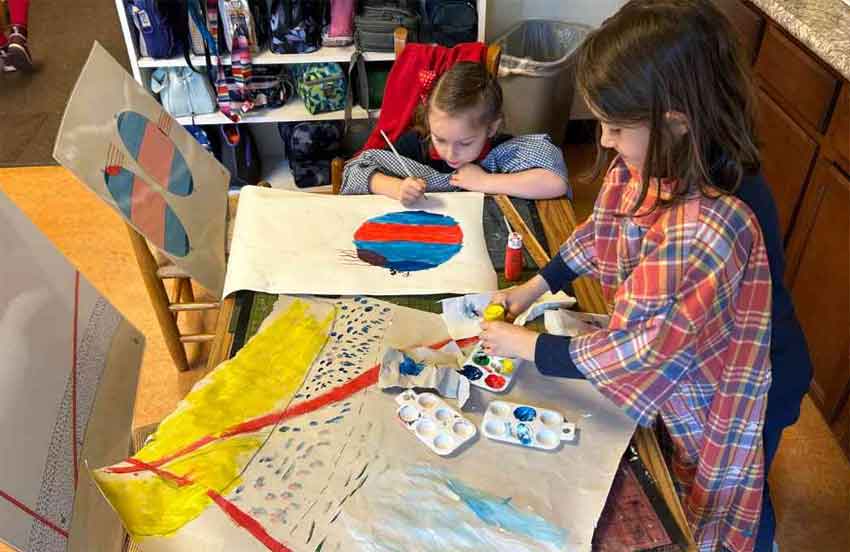
Adolescence is a critical stage in human development. Children between 12 and 18 years are undergoing rapid physical, cognitive, and emotional changes. They seek autonomy, identity, and meaningful connections with the world around them. Traditional schooling often fails to accommodate these evolving needs, focusing instead on standardized curricula and rigid schedules.
Hybrid Montessori models, however, can adapt beautifully to adolescence by emphasizing self-directed learning, real-world engagement, and collaborative problem-solving. These principles allow teenagers to explore their interests, develop independence, and contribute meaningfully to their communities.
Dr. Maria Montessori referred to adolescents as experiencing the “Third Plane of Development”, a period marked by heightened social awareness, imagination, and moral reasoning. Key principles for this stage include:
- Connection to the Real World
Adolescents are ready to move beyond abstract classroom lessons. Montessori emphasizes internships, apprenticeships, and community projects that allow teenagers to see the relevance of their learning. - Self-Directed Work
Teens are encouraged to choose projects aligned with their interests and strengths, fostering intrinsic motivation and responsibility. - Collaboration and Peer Learning
Group work and cooperative projects teach leadership, negotiation, and teamwork—skills essential for adulthood. - Integrated Curriculum
Subjects are interconnected, encouraging adolescents to see patterns across disciplines—history, science, literature, and mathematics are explored as part of real-world projects.
Hybrid Montessori homeschooling blends home-based autonomy with community engagement. For adolescents, this model offers several advantages:
- Flexible Scheduling
- Adolescents can manage their time between independent work at home and co-op days or internships.
- Flexibility accommodates different energy levels and personal interests.
- Mentorship Opportunities
- Co-op leaders, parents, and community experts can mentor adolescents in areas such as entrepreneurship, environmental science, or arts.
- Real-World Projects
- Teens can engage in projects that matter—building a garden, running a small business, or conducting scientific research.
- These experiences teach practical skills, critical thinking, and ethical decision-making.
- Mixed-Age Socialization
- Interaction with younger children reinforces responsibility and patience.
- Peer engagement with older adolescents fosters leadership and collaboration.
- Mathematics and Sciences
- Focus shifts to applied learning: algebra, geometry, statistics, physics, or coding applied to real projects.
- Hands-on experiments and data collection replace rote memorization.
- Language and Humanities
- Reading and writing assignments are connected to real-world interests—research papers, journalism, or creative writing.
- History and social studies are explored through community engagement or service projects.
- Arts and Creativity
- Art, music, and performance provide emotional expression and community engagement.
- Teens often lead workshops for younger co-op members, combining mastery with mentorship.
- Practical Life and Life Skills
- Cooking, budgeting, time management, and interpersonal skills are prioritized.
- Community work, volunteering, and internships become integral parts of the curriculum.
Parents must shift from direct instruction to mentorship and guidance. Key strategies include:
- Facilitating Opportunities
- Connect teens with mentors, internships, or community projects.
- Encouraging Autonomy
- Allow adolescents to plan schedules, select projects, and set goals.
- Providing Resources
- Ensure access to books, tools, and spaces that support exploration.
- Monitoring Progress Without Micromanaging
- Parents observe and provide feedback without controlling the learning process.
- Supporting Emotional Development
- Adolescents benefit from guidance in handling stress, conflict, and social pressures.
- Motivation and Focus
- Some teens struggle with self-directed learning.
- Solution: Break projects into smaller goals and connect them to personal interests.
- Balancing Freedom and Responsibility
- Too much freedom can lead to procrastination; too much structure limits independence.
- Solution: Collaborative planning and regular check-ins strike the balance.
- Social Pressure and Peer Influence
- Adolescents are sensitive to social comparison.
- Solution: Co-ops foster supportive environments emphasizing collaboration over competition.
- Access to Advanced Resources
- Specialized materials or mentorship may be limited.
- Solution: Online communities, project kits, or local partnerships fill gaps.
- Case 1: Community Project Leader
A 14-year-old organizes a recycling initiative through a hybrid co-op. They manage logistics, track data, and mentor younger children. At home, they reflect on leadership lessons and plan next steps. - Case 2: STEM Researcher
A 15-year-old conducts a science experiment at home while presenting findings at co-op meetings. The hybrid model allows flexibility for research while maintaining social and collaborative experiences. - Case 3: Entrepreneurial Teen
A 16-year-old runs a small online business. At home, they manage finances and marketing. Co-op peers provide feedback and collaboration, reinforcing both academic and life skills.
These examples show that hybrid Montessori adapts to adolescent needs by combining freedom, mentorship, and real-world relevance.
How do hybrid Montessori models adapt to adolescence? They shift focus from purely academic instruction to self-directed, meaningful, and socially connected learning. By blending home-based autonomy with co-op or community experiences, adolescents gain independence, responsibility, and practical skills while still benefiting from guidance and mentorship.
Hybrid Montessori prepares teenagers not just for exams but for life—teaching them how to think critically, collaborate effectively, and contribute meaningfully to their communities. It is a model that evolves with the adolescent, providing structure, freedom, and opportunity at precisely the stage when these elements matter most.