Introduction
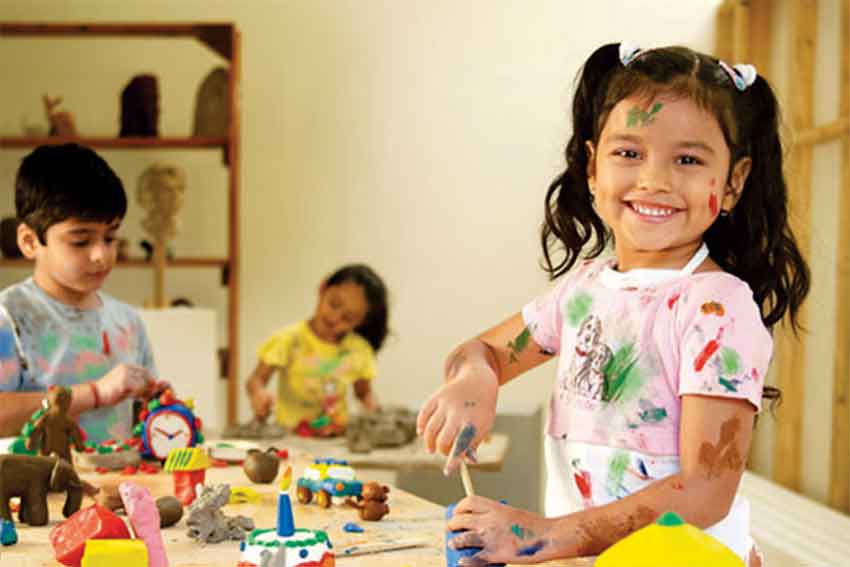
Montessori education is built on the understanding that children are naturally curious and capable of directing their own learning when given the right tools. Montessori materials and activities are intentionally designed to nurture independence, concentration, and self-confidence. Unlike conventional classroom resources, Montessori materials invite children to explore concepts actively rather than passively receiving information.
Dr. Maria Montessori emphasized that true learning happens through experience. Montessori activities allow children to engage their hands, minds, and senses simultaneously. This holistic engagement helps children internalize concepts deeply and develop a genuine love for learning.
The Philosophy Behind Montessori Materials
Every Montessori material is created with a specific developmental purpose. Materials are self-correcting, meaning children can identify and fix errors independently. This builds problem-solving skills and reduces dependence on adult approval.
Another key feature is isolation of difficulty. Each material focuses on a single concept, such as size, color, quantity, or sound. This clarity allows children to master one skill at a time before moving forward.
Freedom Within Structure
Montessori activities offer children freedom of choice within a prepared environment. Children select work based on interest and readiness, fostering intrinsic motivation. This freedom is balanced with clear boundaries, promoting responsibility and respect.
Practical Life Materials and Independence
Practical life activities such as pouring, transferring, dressing frames, and cleaning help children develop coordination and independence. These real-life tasks empower children by showing them they are capable contributors to their environment.
Through repetition, children refine movements and develop concentration, laying the foundation for academic success.
Sensorial Materials and Cognitive Growth
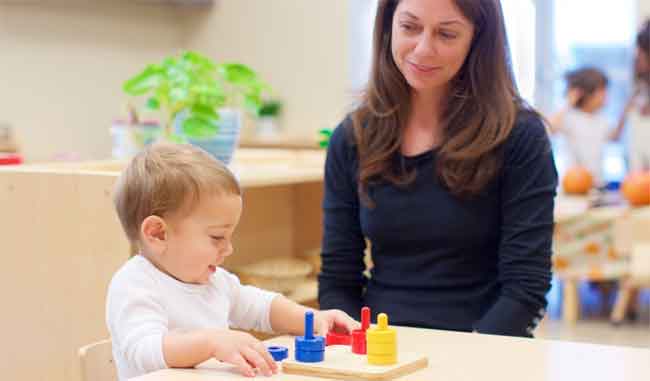
Sensorial materials like the Pink Tower and Brown Stair help children refine their senses and develop logical thinking. These activities prepare the brain for abstract learning in mathematics and language.
Language and Mathematics Materials
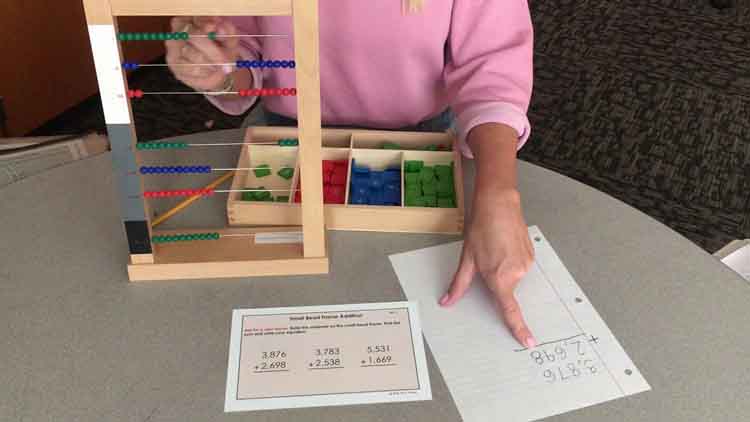
Language materials such as sandpaper letters and movable alphabets support phonetic awareness and early writing. Math materials like number rods and golden beads make abstract concepts tangible.
Role of the Montessori Teacher
The teacher acts as a guide, observing and presenting materials at the right time. This respectful role supports independence and confidence.
Long-Term Benefits
Children educated with Montessori materials develop strong concentration, self-discipline, and problem-solving abilities. These skills extend beyond academics into everyday life.
Conclusion
Montessori materials and activities create an environment where independent learning flourishes. By trusting children and providing purposeful tools, Montessori education builds confident, capable learners.