
The Purpose of Communication in Montessori
Montessori communication is intentional, respectful, and minimal. The goal is not to control behavior but to empower the child to think, act, and communicate independently.
Communication Through the Environment
In Montessori classrooms, the environment communicates expectations. Order, accessibility, and beauty speak more clearly than verbal instruction.
Language That Respects the Child
Teachers use precise, calm, and respectful language. Commands are replaced with invitations, and corrections are delivered with dignity.
Observing Before Speaking
Effective Montessori communication begins with observation. Teachers pause, assess the situation, and speak only when words add value.
Nonverbal Communication
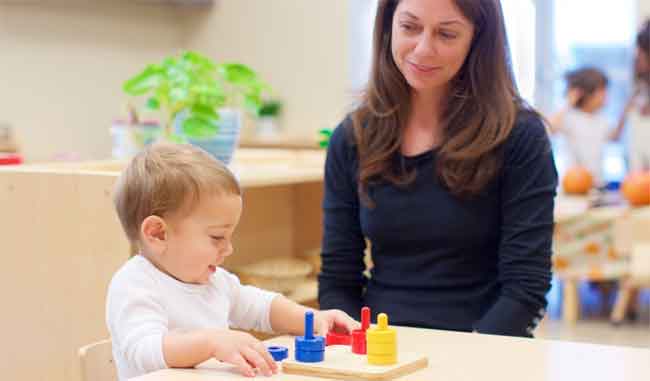
Body language, facial expression, and tone play a crucial role. A calm presence often communicates more effectively than words.
Grace and Courtesy Lessons
Montessori communication includes explicit lessons in social interaction. These lessons model respectful speech, listening, and conflict resolution.
Encouraging Self-Expression
Children are encouraged to express needs and emotions clearly. Teachers model language that helps children articulate feelings constructively.
Minimal Intervention
Over-communication can disrupt concentration. Montessori teachers learn when silence supports learning better than explanation.
Consistency in Communication
Clear, consistent communication builds trust. Children feel secure when expectations are predictable and respectful.
Communication as Relationship Building
Ultimately, Montessori communication strengthens relationships. It creates an atmosphere where children feel seen, heard, and respected.