
The Silent Teacher in the Montessori Classroom
In the Montessori philosophy, the “Prepared Environment” is often described as the silent teacher. It is a space designed with scientific precision to meet the developmental needs of the child at each specific plane of growth. Dr. Maria Montessori observed that children have an innate drive to develop themselves, but this drive requires a supportive, proportional, and orderly space to manifest effectively. Unlike traditional educational settings where the adult is the central figure and the source of all information, the Montessori environment shifts the focus to the interaction between the child and the surroundings. This shift is fundamental to fostering a sense of agency and autonomy from a very young age.
Physical Proportionality and Functional Independence
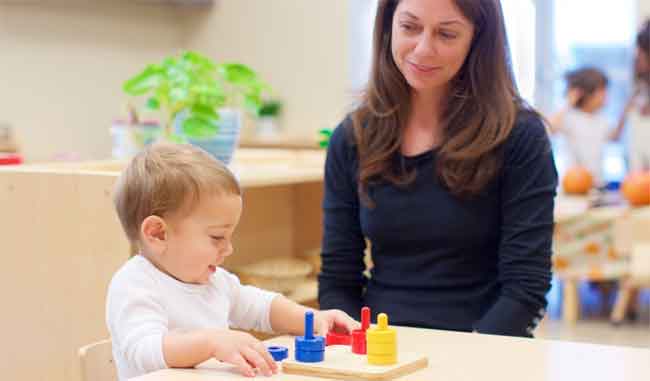
One of the most striking features of a prepared environment is its physical proportionality. Every piece of furniture—chairs, tables, shelves, and even sinks—is sized specifically for the child. When a child can navigate their physical world without constantly asking an adult for help, they develop “functional independence.” This independence is not just about physical ability; it builds a deep internal sense of competence. A child who can reach their own materials, pour their own water, and hang up their own coat begins to see themselves as a capable individual. This foundational self-belief is the bedrock of overall development, influencing how the child approaches challenges in all other areas of life, from social interactions to complex academic tasks.
Order as a Catalyst for Internal Stability
The meticulous order of the prepared environment serves a profound psychological purpose. For the young child, external order is the precursor to internal order. Every material in a Montessori classroom has a designated place, and there is a clear logic to the arrangement of the shelves. This predictability provides the child with a sense of security and safety. When the child knows what to expect from their environment, their cognitive energy is freed from the stress of chaos and can be directed toward concentration and work. This external structure helps the child categorize their sensory impressions and develop a logical, organized mind. Over time, this disciplined approach to the environment translates into a disciplined approach to thought and problem-solving.
The Freedom to Choose and Follow Interests
Freedom within limits is perhaps the most vital aspect of the prepared environment. In this space, the child is free to choose their own work from the materials they have been introduced to. This freedom allows the child to follow their “Sensitive Periods”—those intense windows of time where they are biologically primed to master a specific skill. When a child follows their natural interests, they reach a state of deep concentration, which Montessori called the “path to normalization.” This self-directed work ensures that learning is never a chore but a joyful, fulfilling activity. By respecting the child’s choice, the environment fosters a lifelong love of learning and a strong sense of self-motivation that carries them far beyond the preschool years.