A Family Setting for Authentic Learning
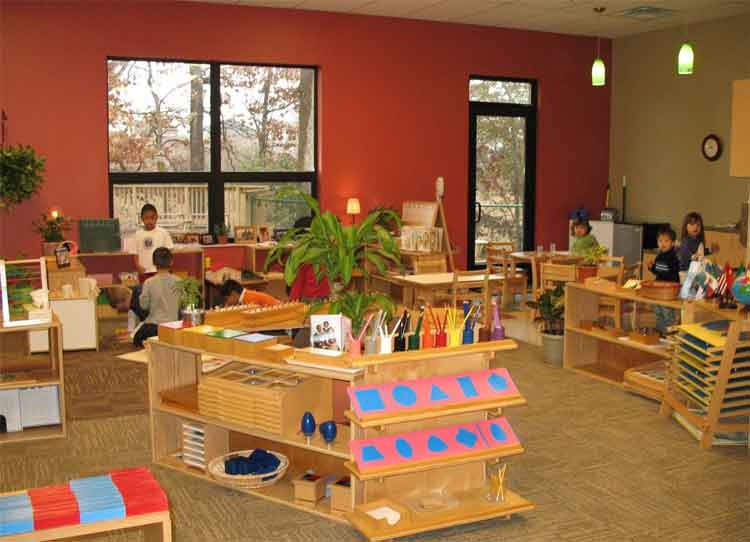
One of the most defining—and often misunderstood—features of Montessori education is the mixed-age classroom. Unlike traditional schools that group children into single-grade levels based on their chronological age, Montessori environments deliberately combine children in three-year cycles (e.g., 3-6, 6-9, 9-12). This structure is not an incidental detail; it is a cornerstone of the philosophy, meticulously designed to reflect the natural way humans learn and to foster a rich, collaborative social community. Far from being a chaotic free-for-all, the mixed-age classroom is a dynamic, self-regulating environment that provides unique academic and social-emotional benefits that are difficult to replicate in a single-age setting. It creates a “learning family” where children support, guide, and learn from one another in a climate of cooperation rather than competition.
Academic Benefits: Reinforcement and Inspiration
The academic advantages of the three-year age mix are profound for children at every stage of the cycle.
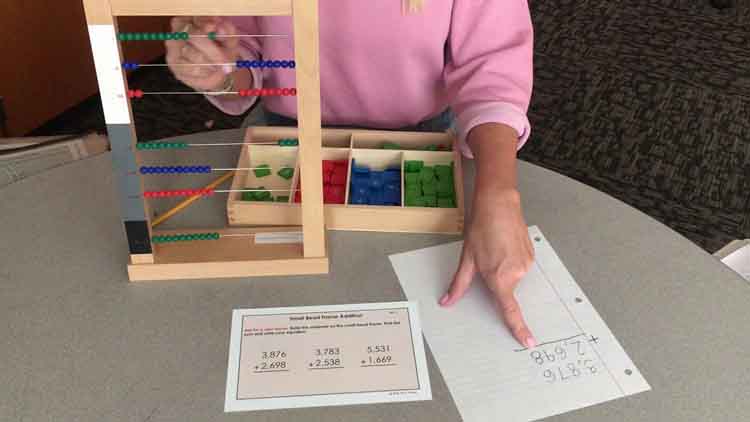
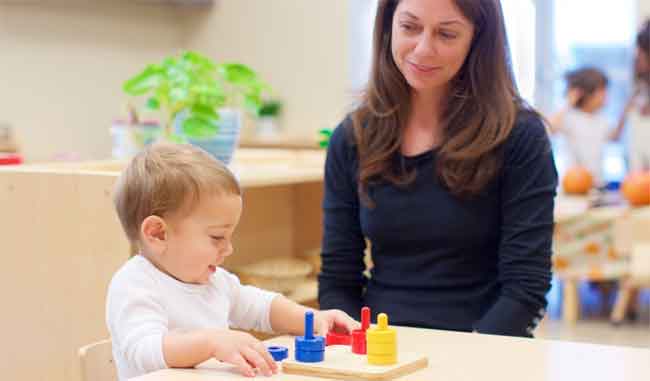
For the Younger Child: A three-year-old entering the classroom is surrounded by inspiration. They see the older children reading books, working on large math problems, or carefully tracing maps. This provides a constant, living preview of the exciting possibilities that await them. They learn through observation, absorbing the processes and behavior modeled by their older peers. A younger child might not be ready for a lesson on the Moveable Alphabet, but by watching a five-year-old sounding out and building words, their curiosity is piqued, and they begin to internalize the pre-reading concepts. The older children become informal mentors, offering help and guidance in a way that is often more accessible and less intimidating than an adult’s.
For the Older Child: The five- or six-year-old in the classroom reaps perhaps the greatest academic benefits. By the time they reach their third year (the “kindergarten year”), they are the leaders and experts of the environment. When a younger child asks them for help or they offer to explain a concept, the older child must clarify and solidify their own understanding. It is a well-known educational principle that the best way to truly learn something is to teach it. This process of mentoring reinforces their mastery of the material at a much deeper level. It also builds an incredible sense of confidence and capability. They see how far they have come, which provides a powerful, intrinsic motivation to continue tackling new challenges.
For the Child in the Middle: The four-year-old exists in a fluid and beneficial position, sometimes being the learner who looks up to the older children, and at other times being the mentor who helps the newest members of the community. They have the comfort of not being the youngest anymore and the aspiration of the leadership role they will soon inherit.
Social and Emotional Development: Fostering a Community of Learners
The mixed-age group creates a social environment that more closely resembles a family and the real world than a single-grade classroom. In this setting, the focus shifts from competition to collaboration.
Development of Empathy and Patience: Older children naturally develop patience and empathy as they learn to interact with their younger, less capable peers. They learn to slow down, to explain things clearly, and to be gentle and supportive. Younger children learn to ask for help and to appreciate the skills and knowledge of others. This daily practice of prosocial behavior builds a strong foundation for emotional intelligence.
Conflict Resolution: With a wide range of developmental levels in one room, social conflicts are inevitable. The mixed-age setting provides a safe and supportive context for children to learn valuable conflict resolution skills. The guide models peaceful language and problem-solving techniques, and the older children often take the lead in helping their peers navigate disagreements.
Reduced Competition: In a single-grade class, there’s often an implicit pressure to be at the same level as everyone else. In a mixed-age class, it’s understood that everyone is at a different point in their journey. A four-year-old doesn’t feel “behind” a six-year-old reader; they feel inspired. This removes the unhealthy element of competition and comparison, allowing each child to focus on their own progress and celebrate the achievements of others. It fosters a genuine community where everyone is valued for their unique contributions.
Benefits for the Guide and the Learning Continuum
The three-year cycle is also highly advantageous from a teaching perspective. It allows the guide to build a deep and lasting relationship with each child and their family. Over three years, the guide comes to intimately understand a child’s strengths, challenges, interests, and learning style, allowing for a truly individualized educational experience. Furthermore, it creates a stable and consistent community. Each year, only the oldest third of the children move on, while two-thirds of the community, along with the guide and the established ground rules, remain. The older children carry on the culture of the classroom, helping to orient the new, younger students. This creates a remarkable level of normalization and continuity, allowing for productive, focused work to begin on the very first day of school. The mixed-age classroom is a testament to Dr. Montessori’s genius, a carefully considered structure that nurtures the whole child—academically, socially, and emotionally.