Montessori education is highly dependent on the environment. Dr. Maria Montessori emphasized that the classroom itself is the “third teacher,” alongside adults and peers. A well-designed environment fosters independence, curiosity, concentration, and joy in learning.
When starting your own Montessori school, creating classrooms that embody Montessori principles is just as important as hiring trained teachers or acquiring materials. Thoughtful design directly impacts student engagement, development, and academic success.
Montessori classrooms follow core principles:
- Prepared Environment
- Everything is arranged intentionally to promote self-directed learning.
- Order and Accessibility
- Materials are organized by subject and accessible to children without adult assistance.
- Beauty and Simplicity
- Spaces are uncluttered, calming, and aesthetically pleasing to create a positive learning atmosphere.
- Freedom Within Limits
- Children choose work independently while respecting boundaries and others’ work.
- Child-Centered Design
- Furniture, shelves, and tools are scaled for children to encourage autonomy.
Understanding these principles ensures that your classrooms support developmentally appropriate learning.
Montessori classrooms are divided into specific learning areas:
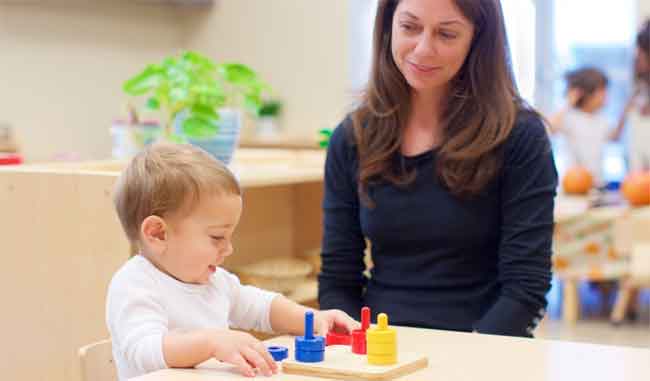
- Practical Life
- Skills: Pouring, cleaning, dressing, and food preparation
- Materials: Pouring pitchers, cleaning tools, dressing frames
- Purpose: Develops independence, coordination, and concentration
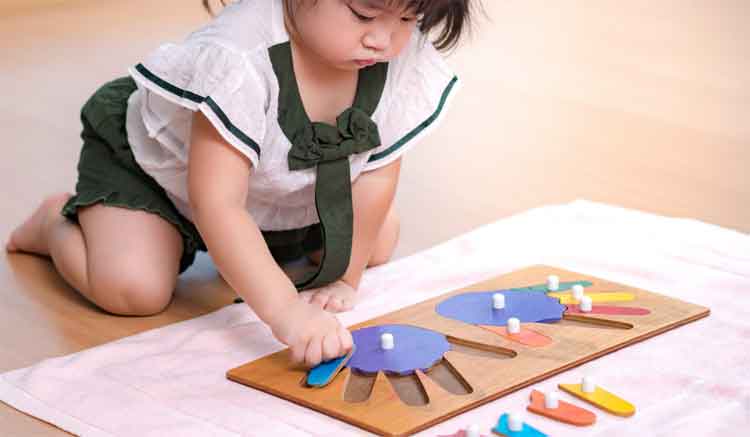
- Sensorial
- Skills: Observing, comparing, and classifying sensory experiences
- Materials: Color tablets, sound boxes, texture boards
- Purpose: Refines the senses, critical for cognitive development
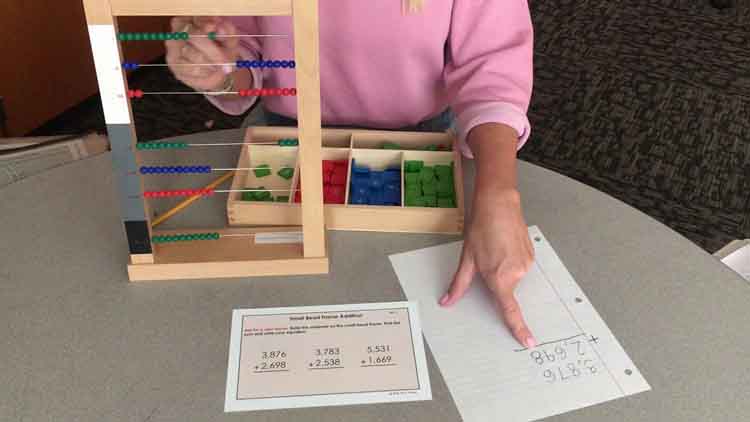
- Mathematics
- Skills: Counting, addition, subtraction, multiplication, division, fractions
- Materials: Bead chains, number rods, golden beads
- Purpose: Builds concrete understanding of abstract concepts
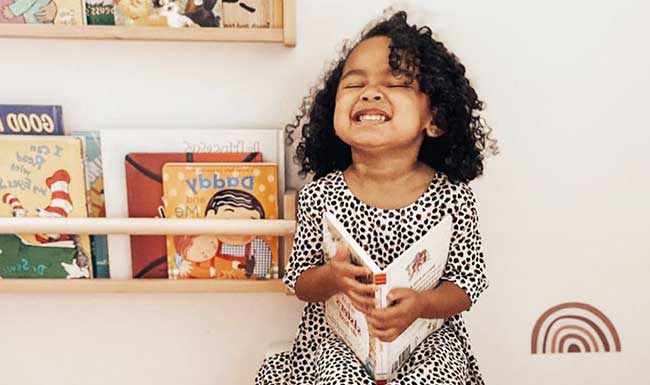
- Language
- Skills: Reading, writing, vocabulary, grammar
- Materials: Sandpaper letters, moveable alphabet, reading cards
- Purpose: Supports literacy development through tactile, visual, and auditory engagement
- Cultural/Science
- Skills: Geography, biology, history, arts
- Materials: Maps, globes, timelines, animal models
- Purpose: Connects children to the broader world, fostering curiosity and empathy
Organizing classrooms by areas ensures balance, structure, and independence.
Child-centered furniture is a hallmark of Montessori design:
- Low shelves allow children to choose and return materials independently
- Small tables and chairs encourage proper posture and comfort
- Floor mats or rugs designate work areas for sitting and concentration
- Open shelves with baskets or trays keep materials visible and organized
Investing in appropriate furniture promotes self-reliance, respect for materials, and safe movement.
Effective classroom flow allows children to move freely while maintaining order:
- Work Areas: Clearly separate areas for Practical Life, Sensorial, Math, Language, and Cultural activities
- Pathways: Ensure smooth movement without obstruction
- Quiet Zones: Provide spaces for focused work or reflection
- Group Areas: Small spaces for collaborative activities, storytelling, or circle time
Proper flow reduces distractions, encourages independent work, and supports concentration.
Montessori environments favor natural materials and aesthetics:
- Wood, metal, glass, and stone materials feel authentic and durable
- Natural light and plants enhance well-being and attentiveness
- Outdoor spaces with gardens, sand, and water tables connect children to nature
Natural environments stimulate the senses and foster curiosity, exploration, and respect for living things.
Order is crucial for a Montessori classroom:
- Arrange materials logically and sequentially
- Label shelves and trays clearly
- Keep materials clean, complete, and in good condition
- Rotate materials periodically to maintain engagement
Accessible, organized environments allow children to choose work independently and develop responsibility.
While independence is a Montessori priority, safety cannot be overlooked:
- Child-proof cabinets for hazardous materials
- Ensure furniture is stable and non-toxic
- Provide adequate supervision for younger children
- Establish clear classroom rules and procedures
A safe environment allows children to explore freely without undue risk.
Montessori classrooms often include children in 3-year age spans:
- Younger children observe and learn from older peers
- Older children reinforce knowledge through mentoring
- Mixed-age classrooms foster collaboration, empathy, and social learning
Multi-age grouping creates a dynamic, community-focused learning environment.
Teachers in Montessori schools observe rather than dictate learning:
- Provide areas for observation and note-taking
- Keep records of student progress and interests
- Use reflection to adapt the environment and lesson presentations
Reflective practices help teachers personalize education while preserving Montessori integrity.
Classrooms should evolve based on student needs and development:
- Introduce new materials as children master previous ones
- Adjust furniture, layouts, or learning areas to optimize engagement
- Collect feedback from teachers, parents, and children
- Observe and modify to maintain a stimulating, supportive environment
A flexible, evolving environment ensures the Montessori philosophy adapts to children rather than forcing children to adapt.
Designing effective Montessori classrooms requires careful planning, intentionality, and a child-centered approach. From organizing learning areas and using child-sized furniture to optimizing flow, incorporating natural elements, and supporting multi-age interactions, every element matters.
A well-prepared environment fosters independence, concentration, social skills, and a love of learning. By creating spaces that embody Montessori principles, your school provides a foundation where children can thrive academically, emotionally, and socially.