Opening thoughts
Many parents ask whether Montessori — traditionally associated with schools — can be effective when practiced at home. The short answer is yes: Montessori principles translate very well to the home environment. Effectiveness depends on consistency, environment, and the caregiver’s mindset rather than on access to branded materials or a formal classroom.
Core factors that determine effectiveness
Three primary elements predict success: a prepared environment, adult attitude, and time for uninterrupted work. When these are in place, children develop independence, concentration, and intrinsic motivation — outcomes central to Montessori pedagogy.
Prepared environment at home
A well-prepared home environment mirrors a Montessori class: child-sized furniture, accessible materials, and clear organization. The emphasis is on beauty and order — a few well-chosen materials neatly arranged encourage respect and care. Outdoors and everyday spaces (kitchen, garden) also become learning zones.
Caregiver mindset matters most
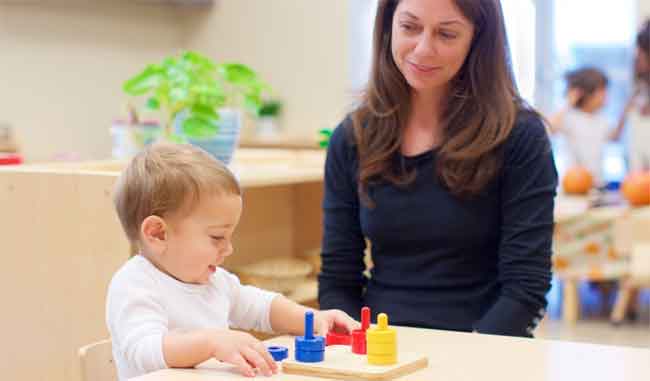
Montessori at home requires adults to practice patience and restraint. Avoid immediate correction or excessive praise; instead offer factual feedback and opportunities to practice. The caregiver becomes a facilitator — demonstrating, observing, and stepping back. This shift in role is often the hardest yet most transformative part.
Practical examples of success
At-home families report concrete changes: extended periods of concentration, improved daily living skills, and smoother transitions. For example, a child who is taught to dress independently experiences less morning conflict. Practical life activities support executive functioning and translate into academic readiness later on.
Adapting materials and expectations
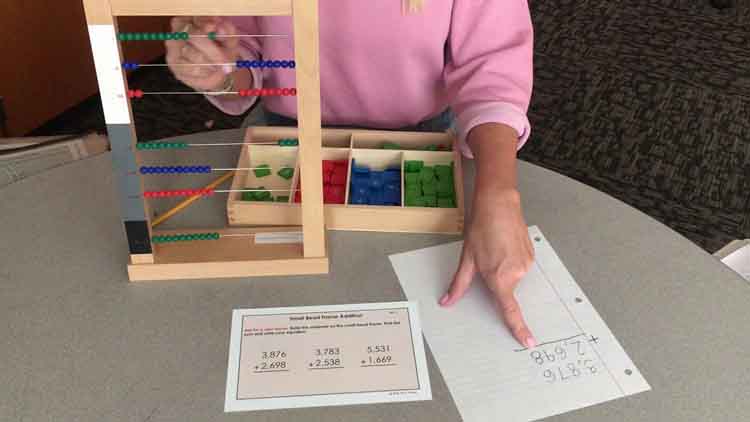
You don’t need every Montessori set. Many activities can be improvised with household objects: measuring cups for pouring, fabric scraps for sewing, or wooden spoons for sorting. The aim is purposeful activity that isolates a skill and allows repetition.
Social and peer considerations
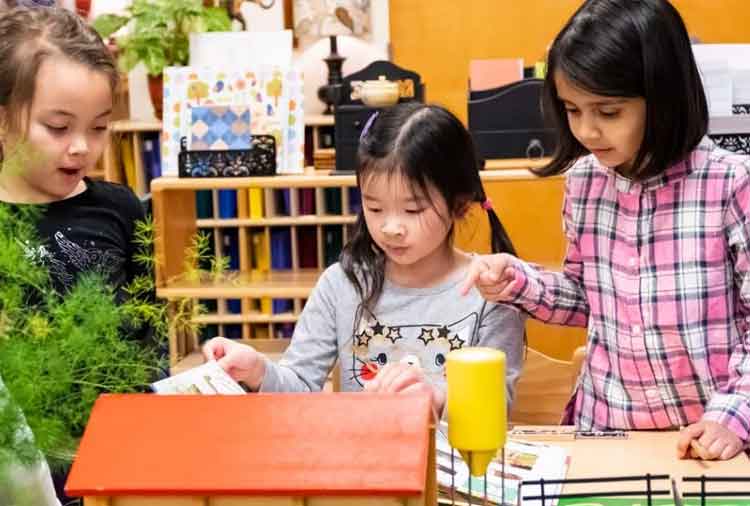
One critique is that school Montessori provides peer learning opportunities. At home, parents can compensate by arranging playdates, joining Montessori co-ops, or participating in community classes. Mixing ages in group activities replicates the multi-age dynamics of Montessori classrooms and fosters leadership skills.
Assessment and outcomes
Montessori success isn’t measured by worksheets or test scores in early years. Instead look for deeper indicators: sustained attention, joy in learning, care for surroundings, and independence. Over time, these qualities support academic and social success when the child enters formal education environments.
When to seek training or mentorship
Some parents benefit from formal Montessori teacher training or parent courses to deepen their understanding. Even short modules on observation, sensitive periods, and material presentation can increase effectiveness dramatically. Mentorship from a trained guide helps translate theory into daily practice.
Conclusion
Montessori is highly effective at home when implemented thoughtfully. It requires time, patience, and an environment designed for independence, but the payoff is a child who learns to love learning and manage their own growth. With small, consistent steps, Montessori at home becomes a sustainable lifestyle rather than a project.