Before starting your own Montessori school, it’s essential to understand the core principles of Montessori education. Developed by Dr. Maria Montessori in the early 20th century, the Montessori approach emphasizes child-led learning, mixed-age classrooms, hands-on materials, and independence.
Running a Montessori school requires more than teaching skills; it requires a deep commitment to Montessori philosophy. You must be prepared to design environments, train staff, and structure a curriculum that supports self-directed learning while maintaining developmental integrity.
Starting with a clear vision is critical. Ask yourself:
- What is the purpose of your school?
- What age groups will you serve?
- How will your school embody Montessori principles uniquely?
A mission statement helps clarify your values, guide decision-making, and attract families aligned with your philosophy. Consider whether you want to focus on preschool, elementary, or a full Montessori continuum, as each comes with unique requirements.
Understanding your local educational landscape is vital. Conduct research to determine:
- Demand: Are there families seeking Montessori education in your area?
- Competition: Are there other Montessori or alternative schools nearby?
- Pricing: What tuition levels are feasible for your community?
- Community Needs: Are there gaps in early childhood or elementary education?
Market research ensures your school can be both viable and sustainable. Consider surveying parents, attending community events, and speaking with local educators for insights.
A business plan is the blueprint for your Montessori school. Essential components include:
- Financial Planning: Startup costs, ongoing expenses, tuition structure, and funding sources.
- Legal Structure: Nonprofit vs. for-profit, incorporation, and insurance.
- Facilities: Space requirements, safety standards, and classroom design.
- Staffing Plan: Hiring Montessori-trained teachers, administrators, and support staff.
- Marketing Strategy: How you will attract families and build reputation.
A well-prepared business plan increases credibility, especially when seeking investors or loans, and sets a clear path for growth.
Accreditation is crucial for credibility. Montessori accreditation can be obtained through recognized organizations such as:
- American Montessori Society (AMS)
- Association Montessori Internationale (AMI)
Ensure that your teachers are properly trained and certified, and that your curriculum aligns with Montessori standards. Montessori training is more than methodology; it’s a mindset and lifestyle that impacts the entire school culture.
Your facility must reflect Montessori principles:
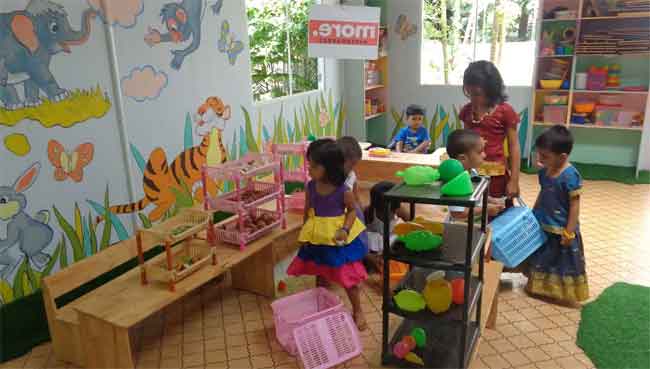
- Open, child-friendly spaces
- Natural light and calming colors
- Child-sized furniture and shelves
- Clearly organized learning areas for practical life, sensory, math, language, and cultural activities
Consider safety regulations, accessibility, and outdoor spaces for physical activity. Some schools begin in small rented spaces and expand as enrollment grows.
Montessori classrooms are structured around prepared environments, each with hands-on materials. Core areas include:
- Practical Life: Everyday skills like cooking, cleaning, and self-care
- Sensorial: Materials that refine senses
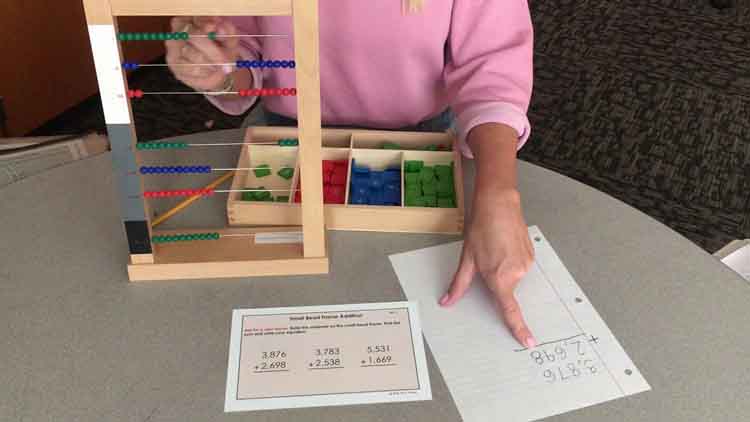
- Mathematics: Beads, number rods, and other concrete tools
- Language: Sandpaper letters, moveable alphabet, reading exercises
- Cultural: Geography, science, history, and art
Materials must be high-quality, organized, and accessible, allowing children to choose their work independently.
Staffing is a cornerstone of success. Look for teachers who are:
- Montessori-trained and certified
- Passionate about child-centered learning
- Skilled in observation and guidance rather than direct instruction
Provide ongoing professional development and create a supportive culture that emphasizes collaboration, respect, and reflective practice.
Successful Montessori schools rely on word-of-mouth, community engagement, and clear communication. Strategies include:
- Hosting open houses and school tours
- Offering workshops for parents
- Using social media to share philosophy and success stories
- Collaborating with local businesses and community centers
Parents choose Montessori schools not only for the educational method but for trust, transparency, and alignment with family values.
Begin with a manageable number of students to ensure quality. Consider staggered enrollment to adjust programs and ensure teachers can provide individualized attention.
- Offer trial periods or observation days
- Encourage parental involvement and feedback
- Maintain flexibility for continuous improvement
Launching a school is not just a business endeavor; it’s a long-term commitment to creating a nurturing, child-centered environment.
After opening, ongoing evaluation is essential:
- Assess Learning Outcomes: Are children meeting developmental milestones?
- Gather Feedback: From parents, teachers, and students
- Reflect and Adjust: Adapt curriculum, staffing, and materials as needed
- Plan for Expansion: Additional age groups, classrooms, or community partnerships
Continuous reflection ensures the school remains true to Montessori principles while evolving to meet community needs.
Starting your own Montessori school is a rewarding but complex journey. It requires careful planning, dedication to Montessori principles, attention to logistics, and a focus on children’s holistic development. By following these steps—clarifying vision, conducting research, planning finances, training staff, preparing environments, and engaging families—you can create a school that nurtures independence, curiosity, and lifelong learning.
Montessori education is not just a curriculum; it’s a philosophy that shapes the entire learning environment, empowering children to explore, grow, and thrive. With vision, preparation, and commitment, your Montessori school can become a beacon of quality education in your community.