
Overview
A Montessori homeschool day blends structure and freedom to allow deep work. The exact schedule depends on the child’s age and temperament, but the underlying pattern is predictable: arrival and personal care, practical life, focused work cycles, outdoor time, and family routines. Here is a flexible template and the reasoning behind each element.
Morning arrival and practical life
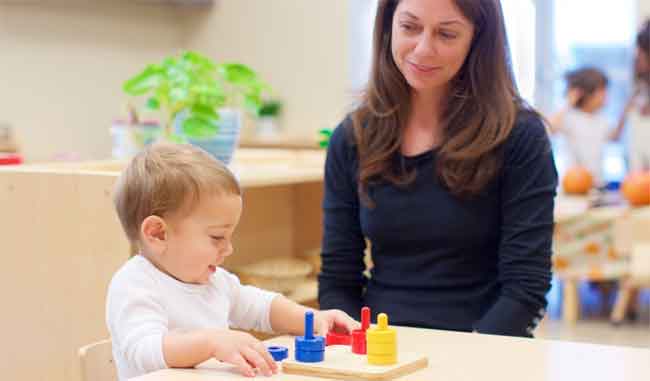
Begin with a calm arrival: allow the child to unpack, hang their coat, and tend to personal care. Follow with practical life activities such as dressing, pouring, or a simple snack preparation. These tasks ground the child and promote autonomy.
Work cycle — long uninterrupted blocks
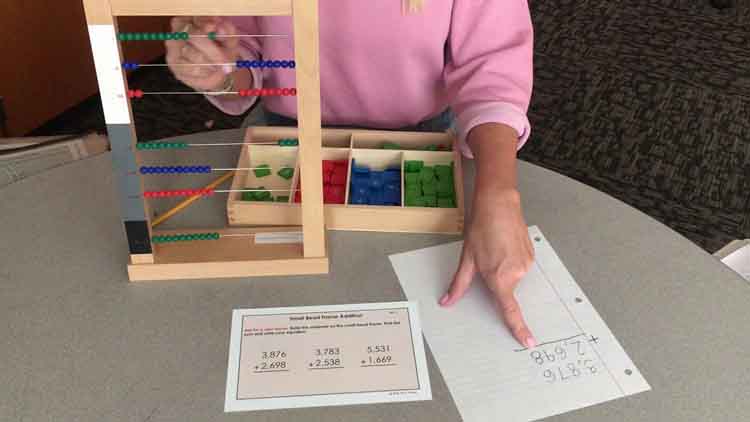
Offer a 60-90 minute work cycle for preschool-aged children; older children may work for longer. During this time, the child chooses activities from the prepared environment. The adult provides occasional, concise lessons or demonstrations and otherwise observes. The key is minimal interruption to allow concentration.
Guided lessons and individual instruction
Within the work cycle, include brief guided lessons tailored to the child’s readiness. Demonstrations should be quiet, precise, and short. After the demonstration, provide space for independent repetition. Balance new introductions with familiar, mastery-building tasks.
Snack and outdoor/free play
After the main work cycle, move outdoors if possible. Outdoor play supports gross motor development, risk-taking in a safe way, and restorative downtime. If weather prevents outdoor activity, offer indoor gross motor options or a calm movement sequence.
Afternoon — project work and mixed-age interactions
Reserve afternoons for longer-term projects, creative pursuits, or mixed-age activities if you have more than one child. Project work might include gardening, cooking, art, or science experiments. These activities encourage planning, persistence, and integrated learning.
Reflection, chores, and winding down
End the day with simple chores and a reflection: tidy the workspace, water the plants, or read together. Reflection can be verbal — a short conversation about what was learned — or practical, such as maintaining a work notebook or simple drawings of discoveries.
Sample daily rhythm
- 08:30 — Arrival, personal care, and practical life
- 09:00 — 10:30 — Main work cycle (choice-based)
- 10:30 — 11:00 — Snack and outdoor time
- 11:00 — 12:30 — Guided lessons / project time
- 12:30 — 14:00 — Lunch and rest (younger children nap)
- 14:00 — 15:30 — Creative project / mixed-age work
- 15:30 — 16:00 — Chores and reading
Flexibility and the child’s rhythm
Use this as a template, not a rigid schedule. Some days will have longer work cycles; others will require more outdoor time or social engagement. The adult’s sensitivity to the child’s energy and interest is the most important scheduling tool.
Conclusion
A Montessori homeschool day balances freedom and predictable structure, supporting independence, deep focus, and natural curiosity. Over time, children internalize the rhythm and can manage their own learning more effectively.