The Guide as an Architect of the Environment
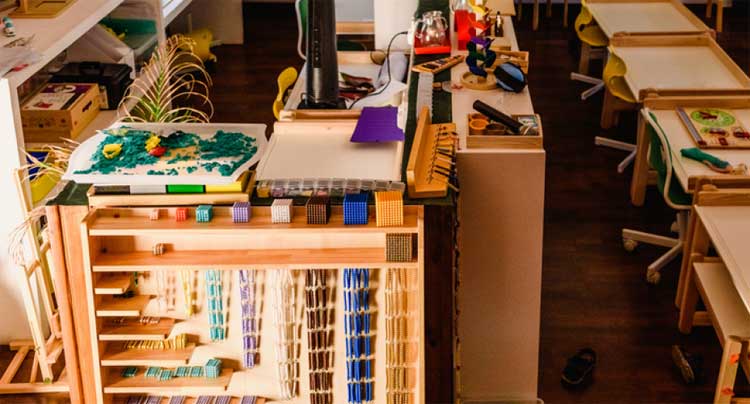
In the Montessori Method, the teacher is often referred to as a “Guide” to emphasize their role as a facilitator rather than an instructor. One of the most important aspects of the guide’s work happens before the children even arrive: the preparation of the environment. The guide is the architect of the classroom, responsible for ensuring that every material is complete, every shelf is orderly, and the space is beautiful and inviting. This preparation requires a deep understanding of each child’s current developmental stage. The guide must anticipate the needs of the children and arrange the environment to provide the right level of challenge. This “behind-the-scenes” work is what makes the child’s spontaneous development possible.
Scientific Observation as a Core Tool
Once the environment is prepared and the children are at work, the guide’s primary tool is scientific observation. A significant portion of Montessori teacher training is dedicated to learning how to observe without bias. The guide sits in the background and takes notes on each child’s choices, their level of concentration, and their social interactions. This data is what informs the guide’s future lessons. Observation allows the guide to know when a child is ready for a new material or when a material needs to be removed because it is no longer serving a purpose. By observing rather than directing, the guide respects the child’s internal blueprint and ensures that the environment remains responsive to the children’s actual needs.
Linking the Child to the Materials
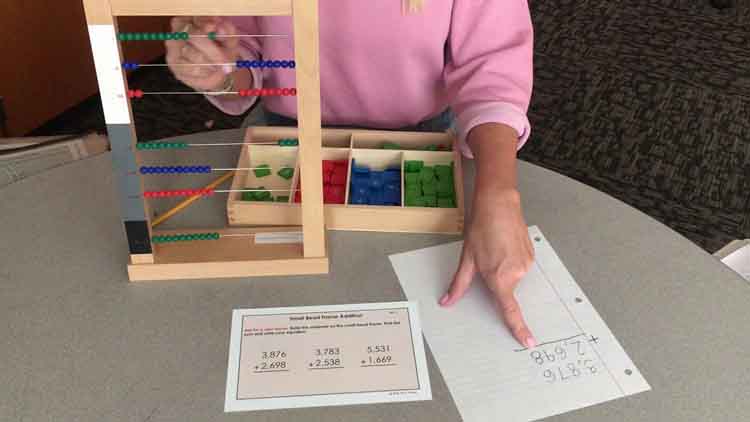
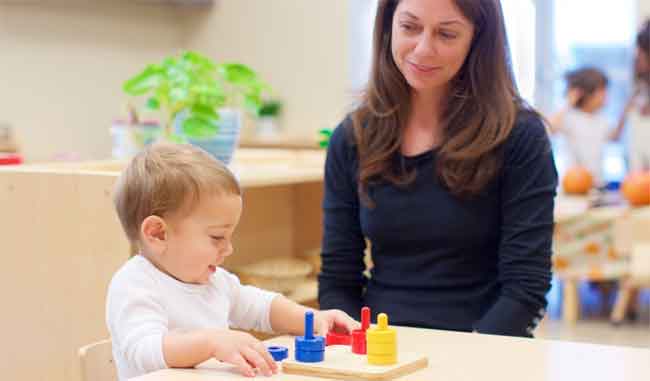
The guide acts as a vital link between the child and the prepared environment. Their job is to introduce the child to the materials through “Presentations.” These are short, precise demonstrations that show the child how to use a material properly. Once the presentation is over, the guide steps back and allows the child to work independently. The goal is to make the child so independent of the adult that the guide “becomes useless.” This requires the guide to be a master of timing—knowing exactly when to step in and when to stay away. By successfully linking the child to the environment, the guide facilitates a relationship where the child can learn directly from the materials, fostering a sense of self-reliance and confidence.
Modeling Grace and Community Values
Beyond the materials, the guide is the primary model for social behavior in the environment. They move with grace, speak with a calm and respectful voice, and treat every child and material with dignity. This modeling is more powerful than any lecture on “good behavior.” Children naturally absorb the guide’s attitude toward the community and the environment. The guide also facilitates the “Grace and Courtesy” lessons, providing the children with the tools they need to navigate social life. By embodying the values of respect, patience, and empathy, the guide creates a cultural atmosphere within the prepared environment that supports the child’s moral and social development. In this way, the guide is the heart of the environment, ensuring it remains a peaceful and productive space for all.