Parents as Guides, Not Directors
In traditional schooling, parents often act as homework enforcers or overseers of external assignments. In contrast, Montessori education redefines the parent’s role: instead of directing learning, parents become guides and observers.
In hybrid Montessori homeschooling, this role expands even further. Parents are not only responsible for preparing the home environment but also for ensuring continuity between home and community co-op experiences. This dual responsibility makes parents the bridge between environments, shaping the child’s educational journey in subtle but powerful ways.
Creating and Maintaining the Prepared Environment
A central Montessori principle is the prepared environment—a space designed to foster independence, concentration, and self-directed learning. At home, parents take full responsibility for preparing and maintaining this environment.
Key aspects include:
Child-Sized Accessibility
Furniture, shelves, and tools designed so children can reach and use them independently.
Low shelves displaying a curated selection of materials.
Order and Simplicity
Clutter-free spaces that promote focus.
Materials placed in logical order to encourage progression.
Beauty and Respect
Natural light, plants, and aesthetically pleasing materials.
Respect for the environment fosters respect for work.
Rotation of Materials
Parents observe children and rotate materials to match their developmental needs.
Overcrowded shelves are avoided to prevent overwhelm.
In hybrid models, parents must also ensure that the home environment aligns with co-op environments, creating consistency across settings.
Parents as Observers and Record-Keepers
Observation is the backbone of Montessori teaching, and in hybrid homeschooling, parents inherit this role. By carefully observing, parents learn:
What materials or subjects engage their child most.
When a child is ready for the next level of challenge.
Whether the child needs redirection or new opportunities.
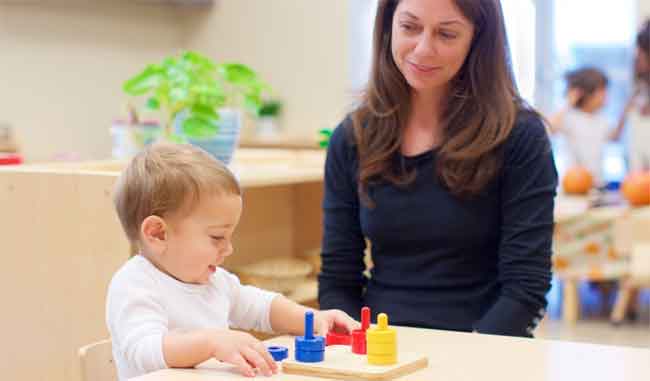
Parents may keep observation journals, noting progress, challenges, and patterns. These records can then be shared with co-op guides to ensure smooth collaboration.
Observation also helps parents avoid unnecessary interference, allowing children to build concentration and independence without constant adult input.
Guiding Without Controlling
A challenge for many parents is resisting the urge to control. Montessori requires trust:
Parents present lessons on new materials, then step back.
Children choose how often to engage, how long to work, and when to master the material.
Parents guide through questions, such as:
“What would you like to work on next?”
“Do you feel ready for a bigger challenge?”
“How could you solve this problem differently?”
This gentle guidance encourages independence while still providing structure.
Parents as Role Models
Children absorb not only academic lessons but also attitudes and behaviors. Parents in hybrid Montessori homeschools act as daily role models.
Practical Life: When parents cook, clean, or garden, children see these as valuable contributions and imitate them.
Emotional Regulation: Parents who model patience, respect, and calm problem-solving teach children how to handle challenges.
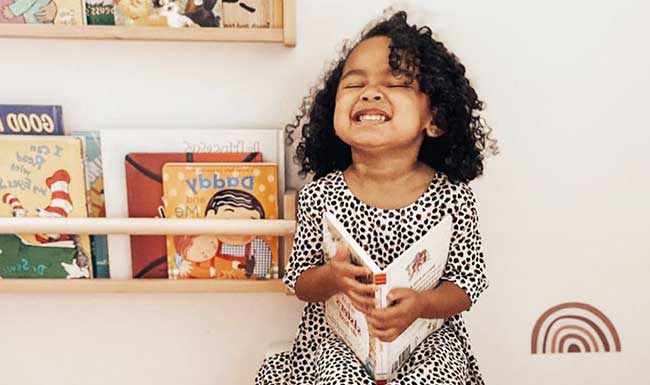
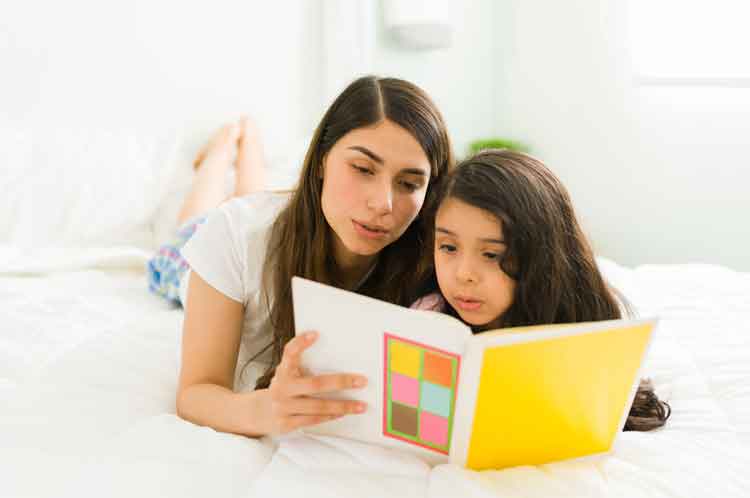
Lifelong Learning: Parents who read, explore, and engage in hobbies show children that learning is joyful and continuous.
In Montessori, the adult’s character is part of the environment—parents shape the culture of the home through their own actions.
Ensuring Continuity Between Home and Co-op
One of the defining aspects of hybrid Montessori homeschooling is the interplay between home and community learning. Parents play a pivotal role in ensuring continuity:
Communication with Co-op Guides
Parents share observations from home.
Guides provide feedback on group progress.
Together, they create a holistic picture of the child’s development.
Reinforcing Co-op Lessons at Home
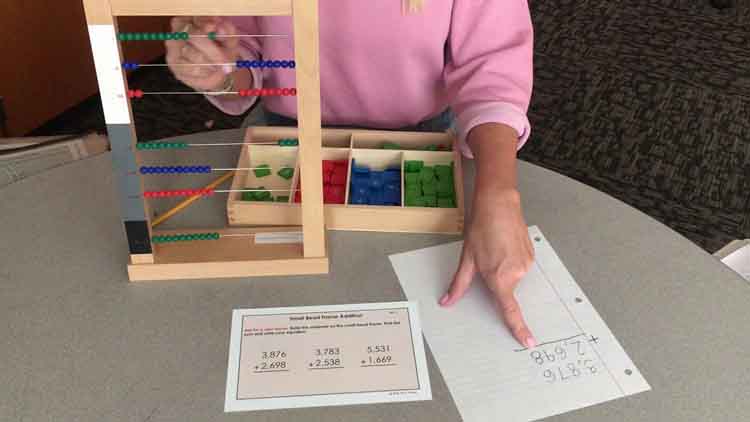
If a co-op introduces the Stamp Game for math, parents can provide practice opportunities at home.
This avoids duplication while reinforcing concepts.
Preparing Children for Co-op Days
Parents help children pack supplies, practice routines, and reflect on expectations.
Transitions are smoother when children feel prepared.
Reflecting After Co-op
At home, parents can invite children to share what they learned.
Reflection deepens retention and strengthens the home-school connection.
Supporting Practical Life and Cultural Exploration
At home, parents provide unique opportunities that complement academic learning.
Practical Life Skills: Cooking meals, laundry, pet care, and gardening become part of daily education.
Cultural Enrichment: Parents can introduce music, art, traditions, and family heritage in ways that co-ops may not.
Nature and Exploration: Parents can take children on hikes, museum visits, or neighborhood walks that extend Montessori principles beyond the classroom.
These experiences broaden the child’s education while maintaining the Montessori spirit of real, meaningful work.
Challenges Parents Face in Hybrid Montessori
Balancing Roles
Parents juggle multiple responsibilities: educator, observer, homemaker, and sometimes co-op leader. This can feel overwhelming.
Letting Go of Control
Parents used to traditional schooling may struggle with giving children autonomy.
Consistency Across Settings
Ensuring alignment between home and co-op requires intentional effort and communication.
Time and Energy Demands
Hybrid homeschooling requires significant time for preparation, observation, and follow-up.
Strategies for Success
Start Small: Introduce Montessori principles gradually rather than trying to replicate a full classroom at home.
Join Parent Communities: Support groups provide ideas, encouragement, and reassurance.
Invest in Training: Parent education workshops or Montessori reading deepen understanding.
Embrace Flexibility: Montessori is about responding to the child, not rigidly following a plan.
Practice Self-Care: Parents must also care for themselves to model balance and resilience.
Conclusion: Parents as the Cornerstone of Hybrid Montessori
So, what role do parents play in hybrid Montessori homeschooling? They are the cornerstone of the model—preparing environments, guiding without controlling, observing carefully, modeling values, and ensuring continuity between home and co-op.
Montessori education thrives when parents see themselves not as instructors but as partners in discovery. By balancing guidance with trust, structure with freedom, and home with community, parents empower their children to become independent, curious, and joyful learners.
Hybrid Montessori homeschooling is not only about children’s education—it is about the whole family embracing a way of life grounded in respect, responsibility, and growth.