In today’s world, where sustainability is no longer optional but essential, parents and educators are increasingly seeking ways to align children’s education with environmentally responsible practices. Montessori education, with its emphasis on natural development and respect for the environment, fits perfectly into this mindset. One of the most powerful ways to bring these values into practice is through eco-friendly Montessori materials.
But what exactly makes these materials special, and why are they considered the best choice for conscious learning? Let’s explore.
Understanding Eco-Friendly Montessori Materials
Eco-friendly Montessori materials are learning tools made from natural, sustainable, and non-toxic resources such as wood, cotton, bamboo, metal, and glass. Unlike plastic-based toys, these materials are designed to be safe for children and gentle on the planet.
They are typically:
- Biodegradable or recyclable
- Free from harmful chemicals
- Durable and long-lasting
- Minimalist in design
These qualities align perfectly with Montessori principles, which emphasize simplicity, functionality, and respect for nature.
The Montessori Philosophy and Nature
At its core, Montessori education encourages children to develop a deep connection with their environment. Using eco-friendly materials reinforces this connection in a natural and meaningful way.
When children interact with real, natural objects, they:
- Develop a sense of responsibility toward the environment
- Learn to appreciate quality over quantity
- Build awareness of sustainable living practices
This early exposure helps shape environmentally conscious individuals for the future.
Why Choose Eco-Friendly Materials Over Plastic?
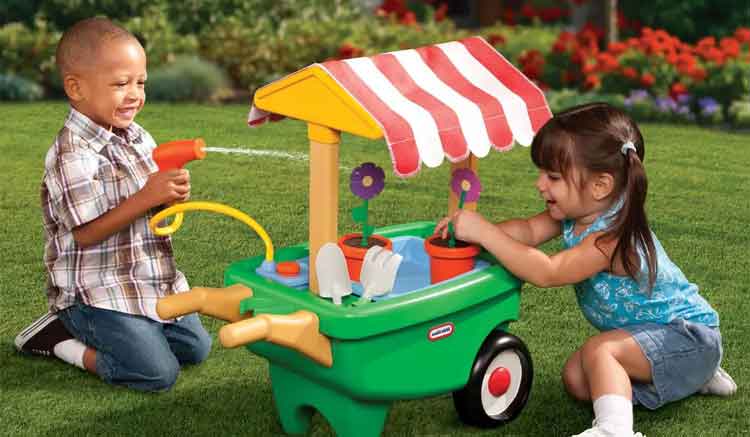
Plastic toys may be colorful and widely available, but they often lack the depth and purpose of Montessori materials. Eco-friendly alternatives offer several advantages:
1. Sensory Richness
Natural materials provide varied textures, weights, and temperatures. A wooden block feels different from a metal spoon or a cotton cloth—enhancing sensory development.
2. Durability
High-quality wooden or metal materials last longer than plastic, making them a better long-term investment.
3. Safety
Eco-friendly materials are typically free from toxins such as BPA and phthalates, ensuring a safer learning environment.
4. Environmental Impact
They reduce waste and pollution, helping protect the planet for future generations.
Types of Eco-Friendly Montessori Materials
Let’s look at some common categories and examples you can incorporate into your child’s learning environment.
1. Wooden Learning Tools
Wood is one of the most popular materials in Montessori education. It is sturdy, natural, and aesthetically pleasing.
Examples include:
- Wooden puzzles
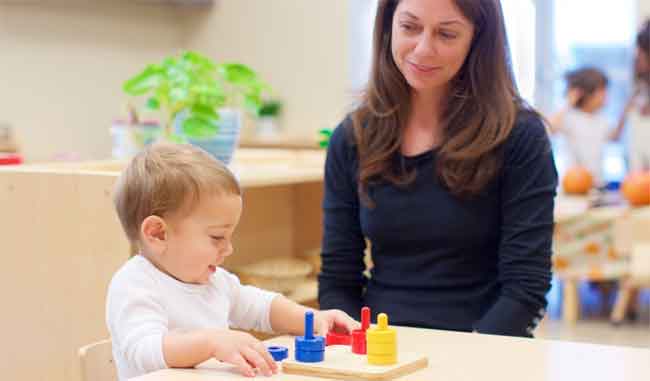
- Stacking toys
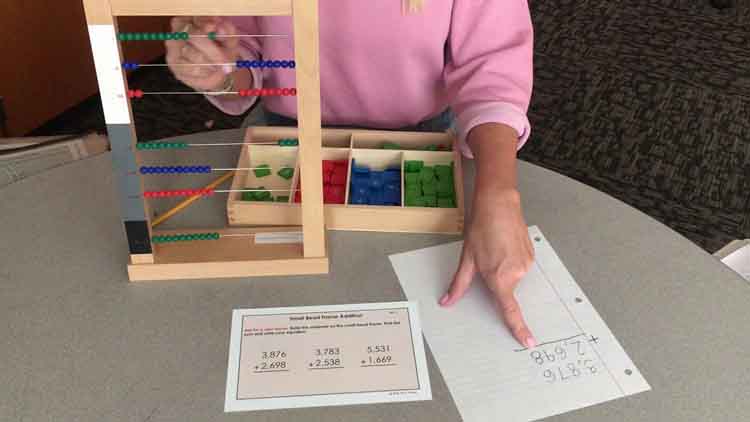
- Number rods and counting beads
- Alphabet boards
These tools help children develop fine motor skills, logical thinking, and early academic concepts.
2. Practical Life Materials
Montessori places a strong emphasis on real-life skills. Eco-friendly practical life materials often come directly from your home.
Examples include:
- Glass jars for pouring
- Metal spoons and bowls
- Cotton cloths for cleaning
- Wooden brushes
These items teach independence and responsibility while reducing reliance on plastic alternatives.
3. Fabric-Based Materials
Natural fabrics like cotton, wool, and linen are excellent for sensory and practical activities.
Examples include:
- Dressing frames made with cloth
- Soft sorting mats
- Handkerchiefs for folding exercises
These materials are washable, reusable, and gentle on a child’s skin.
4. Nature-Based Materials
Some of the best Montessori materials come directly from nature.
Examples include:
- Stones for counting
- Leaves for sorting
- Shells for sensory play
- Seeds for planting activities
These not only support learning but also encourage outdoor exploration and curiosity.
How Eco-Friendly Materials Support Child Development
Eco-friendly Montessori materials are not just about sustainability—they also play a crucial role in holistic child development.
Cognitive Development
Simple, purpose-driven materials help children focus and understand concepts more clearly.
Motor Skills
Handling real objects improves both fine and gross motor coordination.
Emotional Growth
Natural materials create a calming environment, reducing overstimulation.
Independence
Children learn to care for their environment and materials, building confidence and responsibility.
Creating an Eco-Friendly Montessori Environment at Home
You don’t need to overhaul your entire home to adopt eco-friendly Montessori practices. Small changes can make a big difference.
1. Declutter and Simplify
Keep only a few meaningful materials available at a time.
2. Choose Quality Over Quantity
Invest in durable, long-lasting items rather than cheap, disposable ones.
3. Use What You Already Have
Many household items can double as Montessori materials.
4. Rotate Materials
This keeps your child engaged without needing to buy more.
5. Involve Your Child
Teach them to care for and maintain their materials.
DIY Eco-Friendly Montessori Ideas
Creating your own materials is both sustainable and rewarding. Here are a few ideas:
- Use old glass bottles for pouring activities
- Create counting tools using pebbles or seeds
- Make sorting games with natural objects
- Repurpose fabric scraps for folding or matching activities
DIY projects reduce waste and allow you to customize learning experiences.
Challenges and How to Overcome Them
While eco-friendly Montessori materials offer many benefits, parents may face some challenges.
1. Higher Initial Cost
Solution: Start small and build gradually. DIY options can help reduce expenses.
2. Availability
Solution: Look for local artisans or online stores that specialize in sustainable products.
3. Maintenance
Solution: Teach children how to clean and care for materials properly.
The Long-Term Impact
Choosing eco-friendly Montessori materials is not just a parenting decision—it’s a lifestyle choice. It teaches children:
- Respect for nature
- Mindful consumption
- Responsibility toward the environment
These lessons go beyond the classroom and shape how children interact with the world as they grow.