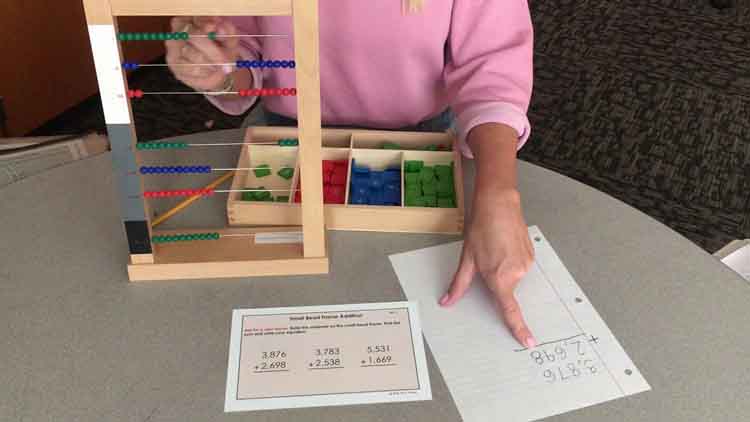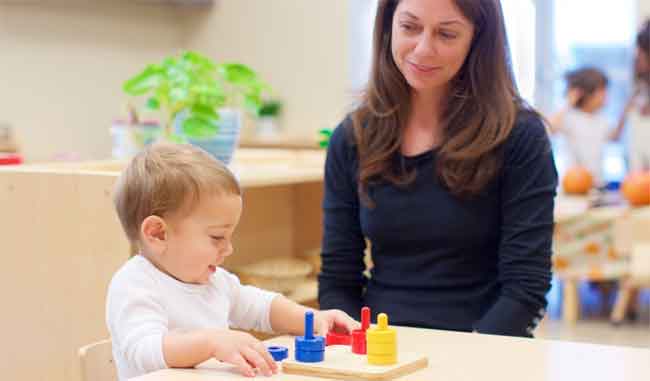
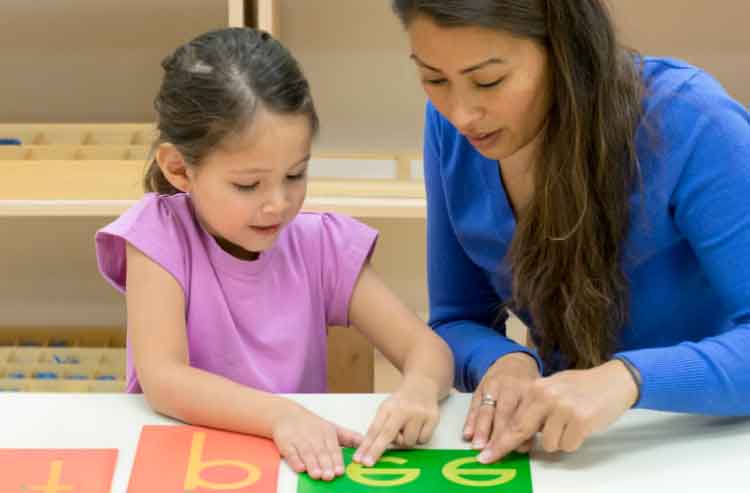
In a world that values speed, efficiency, and instant gratification, the concept of **patience** can seem antiquated. Yet, for a Montessori educator, patience is not just a virtue; it is a foundational skill and a core philosophical commitment. Dr. Montessori believed that the adult’s greatest obstacle to the child’s development is their own impatience. She insisted that the teacher must first learn to wait, to observe, and to trust the child’s inner timeline. This is a radical departure from traditional education, where the teacher’s schedule dictates the pace of learning. In a Montessori classroom, the child sets the pace, and the teacher must have the patience to follow. This requires a profound shift in mindset, one that moves from a sense of urgency to a sense of reverence. The teacher who is patient is able to see the child’s struggle not as a problem to be solved, but as a necessary and valuable part of the learning process. They are able to step back and allow the child to work through a challenge, to make mistakes, and to self-correct. This non-interference is a form of respect, and it is what allows the child to develop a deep and lasting sense of concentration, independence, and self-confidence. Without patience, a teacher might be tempted to rush a child, to correct their mistakes, or to do the work for them. This robs the child of the opportunity to experience the joy of mastery and the satisfaction of a job well done. Patience is the gift that a Montessori teacher gives to the child—the gift of time, of space, and of profound trust.
The practice of patience in a Montessori classroom is multifaceted. It begins with the **patient observation** of the child. A teacher must be able to sit quietly and watch a child work for an extended period, noting their every move and choice. They must be able to wait for the child to choose their own work, to engage in a moment of deep concentration, and to complete a task in their own time. This is not a passive activity; it is a form of active listening, where the teacher is paying attention to the child’s every cue and signal. The teacher who is patient is able to see the moments of struggle not as a sign of failure, but as a sign of growth. They know that the child is building new neurological pathways, and that this process takes time. Patience is also required in the **presentation of the materials**. A teacher must be able to present a lesson with a sense of calm and a reverence for the material itself. They must not rush, but must allow the child to absorb the lesson at their own pace. They must be willing to repeat a lesson as many times as it takes for the child to grasp it, without any sense of frustration or impatience. This is a form of respect for the child’s unique learning rhythm. Patience is also essential in the **management of the classroom**. A teacher must have the patience to allow the children to resolve their own conflicts, to work through a social challenge, and to learn from their mistakes. They must not be a source of constant intervention, but a source of calm and stability. This non-interference is a form of respect for the child’s social and emotional development. It teaches the children that they are capable of solving their own problems and that they are the masters of their own destiny. Patience is the bedrock of a peaceful and productive Montessori classroom, and it is a skill that takes a lifetime to master.
Patience and the Teacher’s Inner Preparation
The cultivation of patience in a Montessori teacher is not just a professional skill; it is a part of their **inner preparation**. Dr. Montessori insisted that the greatest obstacle to the child’s development is the adult’s own ego and preconceived notions. The act of being patient is a profound exercise in self-awareness. It forces the educator to confront their own need for control, their own desire for speed, and their own fear of failure. A teacher who is patient has learned to quiet their own ego and to trust in the child’s natural process. This is a form of personal and spiritual growth that is just as important as mastering the curriculum. The training program provides the tools for this journey, but the journey itself is a deeply personal one. A teacher who is impatient is often a teacher who is anxious, who is afraid of making a mistake, or who is worried about the child’s progress. By cultivating patience, a teacher is able to release these fears and to be fully present for the child’s journey. They are able to see the child not as a project to be completed, but as a person to be respected. This inner work is what allows the teacher to truly embody the Montessori philosophy and to be a guide in the truest sense of the word. Patience is not just about waiting for the child; it is about waiting on oneself, about being a source of calm and stability in a world that is often chaotic and rushed. This inner calm is what allows the teacher to create a prepared environment that is truly a place of peace, dignity, and purpose. The teacher’s patience is a reflection of their deep respect for the child and their unwavering belief in the child’s innate potential.
Patience and the Development of Concentration
The patience of a Montessori teacher is directly linked to the development of **concentration** in the child. A child who is given the time and space to work without interruption is a child who is able to enter a state of deep concentration, or “normalization.” This is a state of flow where the child is fully engaged in their work, and they are completely absorbed in the task at hand. This is a powerful and transformative experience that is the key to all subsequent learning. The teacher’s patience is what allows this to happen. They are able to wait for the child to choose their own work, to engage in a moment of deep concentration, and to complete a task in their own time. They do not interrupt the child, they do not correct their mistakes, and they do not rush them. This non-interference is a form of profound respect for the child’s work, and it is what allows the child to experience the joy of mastery and the satisfaction of a job well done. The teacher’s patience is a form of scaffolding, a support system that allows the child to build their own internal discipline and their own sense of purpose. It is what allows the child to move from a state of chaos to a state of calm, from a state of distraction to a state of focus. The teacher’s patience is a gift that they give to the child—the gift of time, of space, and of profound trust. It is what allows the child to discover their own inner potential and to become the person they are meant to be. The Montessori method is not a quick fix; it is a long, slow process of human development. And the teacher’s patience is the key that unlocks that process. It is what allows the child to unfold at their own pace, to learn in their own way, and to become the master of their own destiny. This is the enduring legacy of Dr. Montessori’s vision for education, a vision that sees the teacher not as a technician, but as a guide in the truest sense of the word.