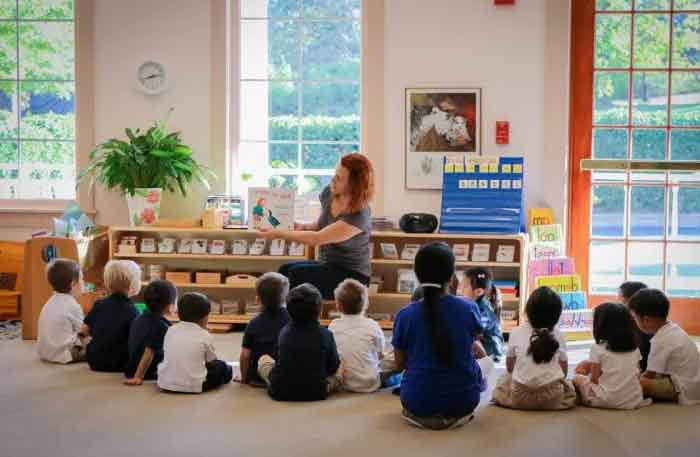
The Classroom as a Micro-Society
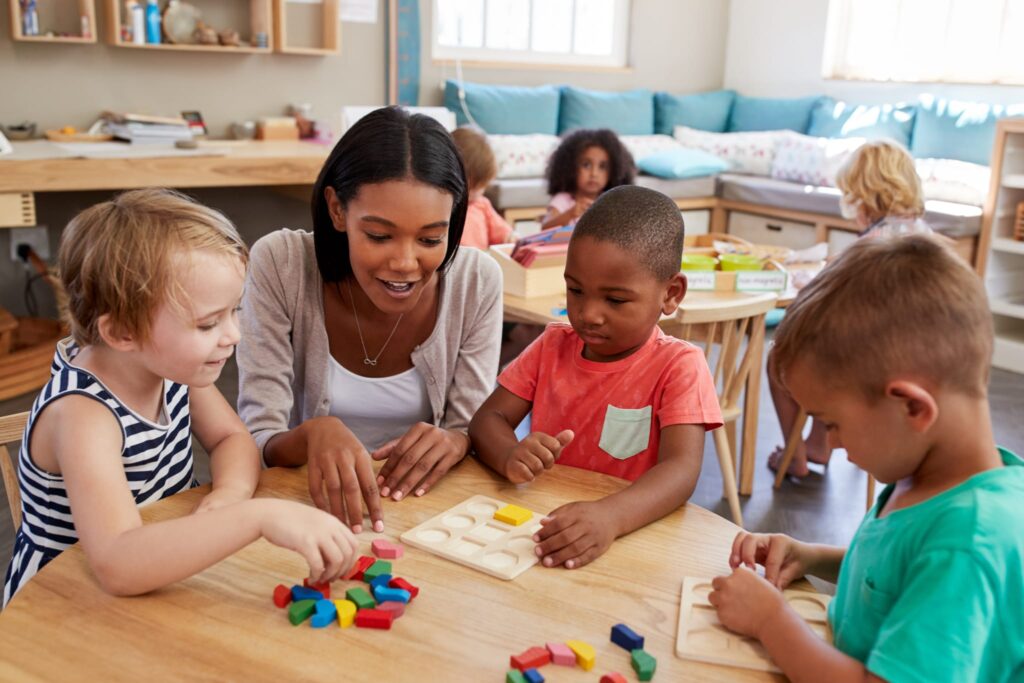
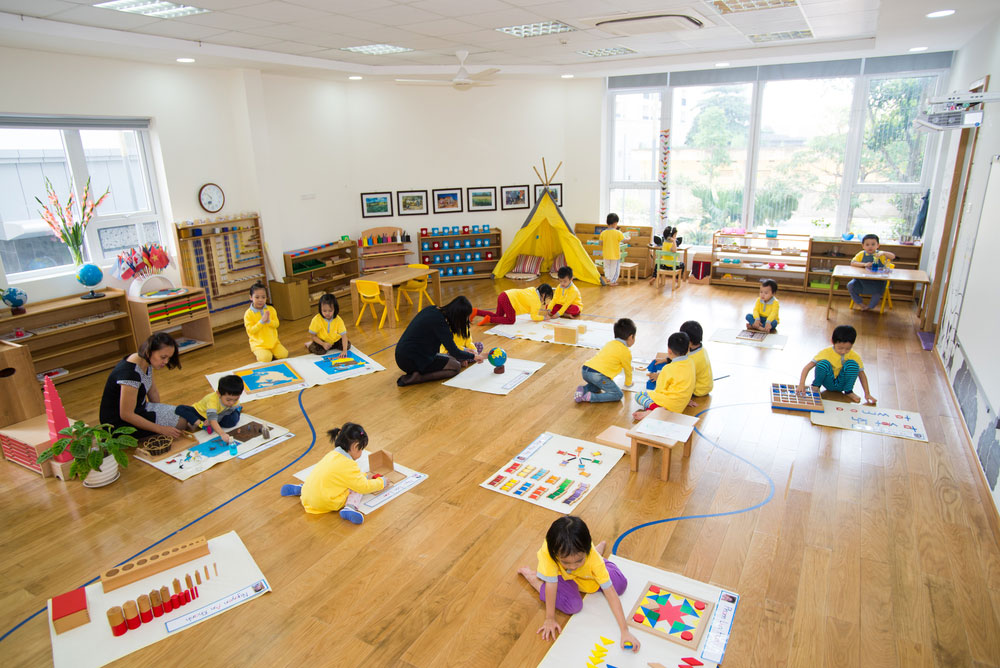
While the Montessori environment is often praised for its academic materials, its role in social development is equally significant. The prepared environment is designed to be a “micro-society” where children of different ages (usually in a three-year span) live and work together. This mixed-age grouping is an essential component of the environment’s social structure. It creates a natural hierarchy where younger children look up to their older peers as role models, and older children develop empathy and leadership skills by assisting the younger ones. In this setting, social interaction is not forced or scheduled; it happens organically as children navigate their shared space and materials.
Grace and Courtesy as Social Tools
Social development in the prepared environment is supported by explicit lessons in “Grace and Courtesy.” These are role-playing activities where the teacher demonstrates how to handle various social situations, such as how to introduce oneself, how to offer help, or how to politely decline an invitation. These lessons provide the children with the “social scripts” they need to interact successfully with others. Because the environment is calm and orderly, children have the emotional bandwidth to practice these skills. They learn that their actions have an impact on the community and that being a member of a group requires mutual respect and consideration. This social literacy is a vital part of the child’s overall development, preparing them for the complexities of human relationships.
The Concept of Shared Materials
In a Montessori classroom, there is typically only one of each material. This is a deliberate design choice of the prepared environment to teach patience and respect for others’ work. If a child wants to work with the Pink Tower and another child is already using it, they must wait. This natural limit encourages the development of impulse control and frustration tolerance. It also fosters a sense of communal ownership; children realize that the materials belong to the whole group and must be cared for and returned to the shelf for the next person. This shared responsibility builds a sense of belonging and teaches the child that they are part of something larger than themselves.
Conflict Resolution and the Peace Table
The prepared environment includes a dedicated space for conflict resolution, often called the “Peace Table.” When a disagreement occurs, children are encouraged to go to this neutral space to talk through their feelings and find a solution. The environment provides the physical setting for peace, but it also provides the psychological tools. By giving children a specific place and a specific process for handling conflict, we empower them to solve their own problems without constant adult intervention. This develops emotional intelligence and a proactive approach to social harmony. The child learns that conflict is a natural part of life but that it can be resolved through communication and empathy, a skill that is essential for their development as peaceful citizens of the world.