Social learning embedded in daily routines
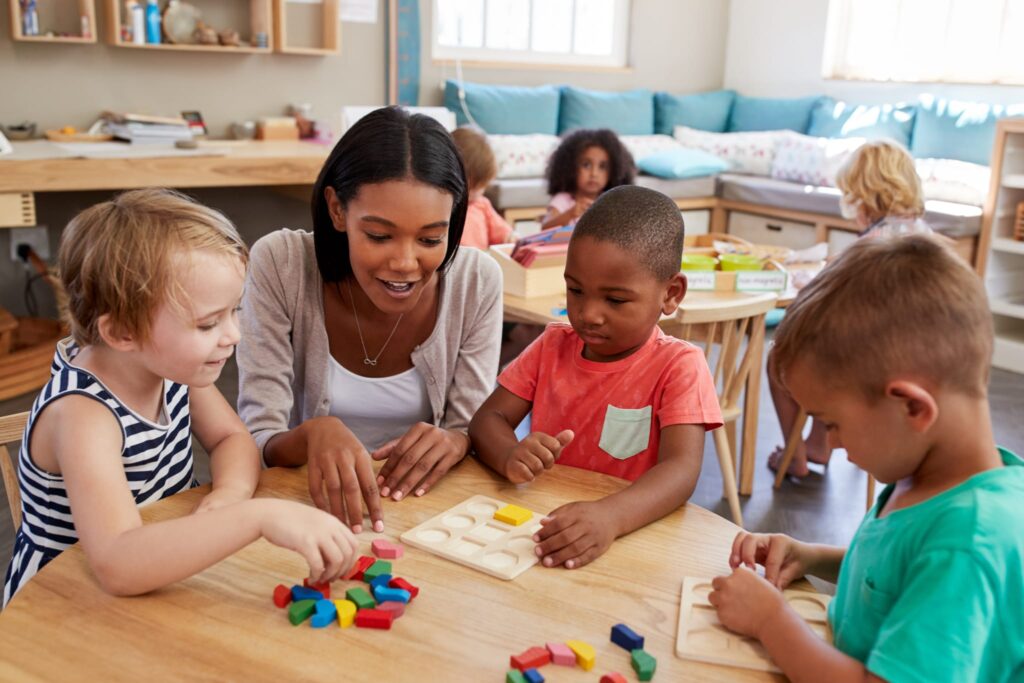
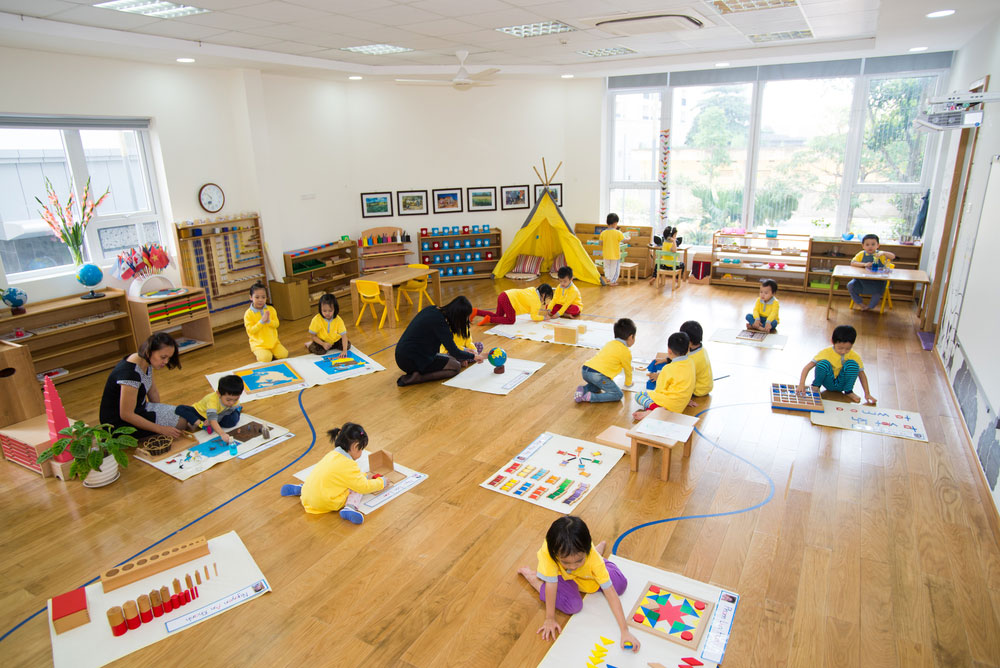
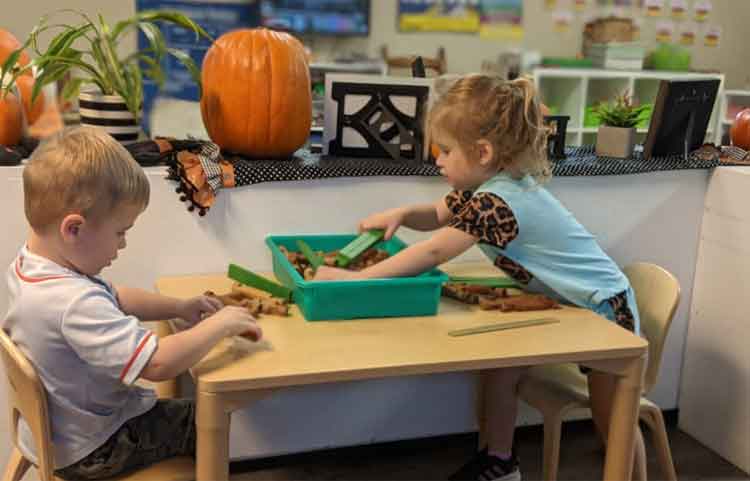
Social skills develop organically in Montessori settings because children practice real interactions every day. From working at shared tables to passing materials respectfully, the classroom provides constant opportunities to exercise turn-taking, patience, and cooperative problem solving. The predictable structure reduces social anxiety and gives children the confidence to try new interactions.
Mixed-age classrooms and mentoring
Mixed-age groups allow older children to model behaviors and provide peer tutoring. Younger children observe and imitate, while older children consolidate their own skills by teaching. This reciprocal dynamic builds empathy and leadership: older children learn to scaffold learning, and younger children benefit from multiple models of social competence.
Explicit teaching of social language
Grace and courtesy lessons provide children with language for social situations: how to ask for something politely, how to apologize, and how to request help. These mini-lessons supply children with scripts that decrease conflict and increase successful social exchanges. Over time, children internalize this language and adapt it flexibly to novel situations.
Emotional self-regulation
Montessori environments value calm and reflection. Spaces for quiet work and teacher-guided conversations help children identify feelings and choose strategies to manage them. Emotional regulation is closely tied to social competence; a child who can name and manage anger is better positioned to repair relationships and collaborate effectively.
Practical suggestions for families
At home, encourage playdates with mixed ages, model respectful language, and practice simple scripts for asking and apologizing. Involve children in family routines that require cooperation. These consistent experiences reinforce the social habits developed at school.
Conclusion
Montessori activities improve social skills by embedding practice into daily life, leveraging mixed-age dynamics, and teaching social language and emotional regulation. The result is children who are more empathetic, collaborative, and socially competent.