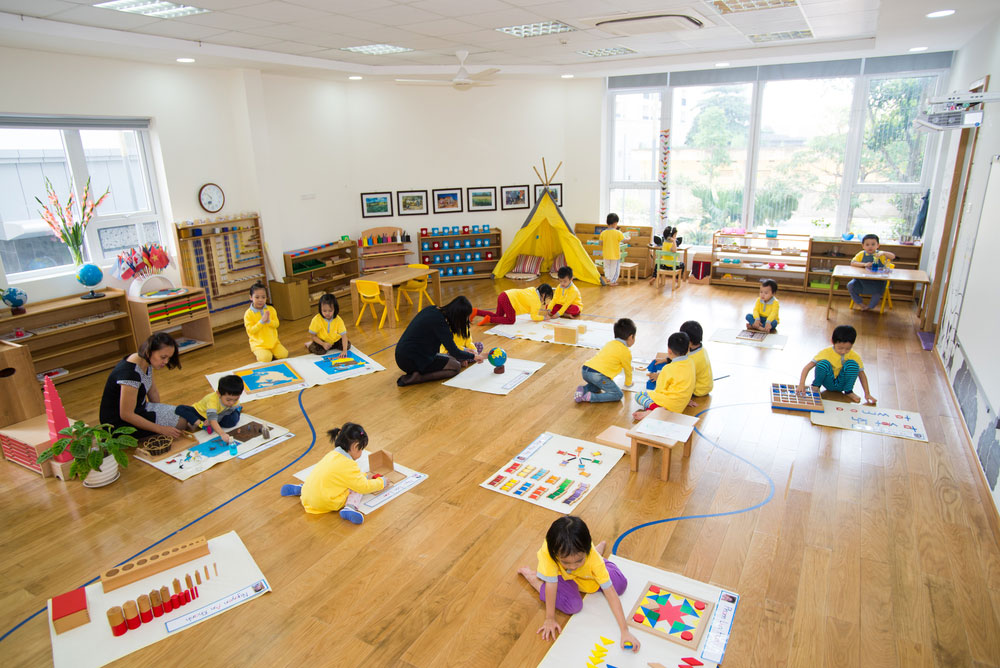

Montessori teacher training is a comprehensive and transformative journey that goes far beyond a typical teaching degree. Its purpose is not merely to equip individuals with lesson plans and classroom management techniques, but to fundamentally shift their perspective on education and the child. The training is rooted in Dr. Montessori’s philosophy, emphasizing observation, respect for the child, and the role of the teacher as a guide rather than a lecturer. It is a deep dive into child development, the prepared environment, and the purpose behind every single Montessori material.
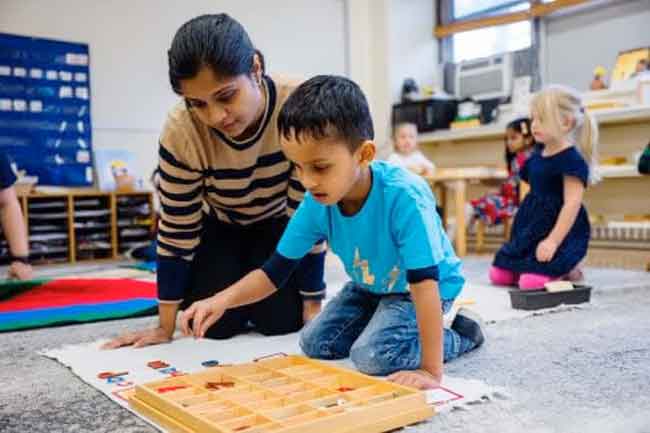
A core component of Montessori teacher training is the study and mastery of the materials themselves. Trainees spend countless hours working with the materials for all areas of the curriculum—Practical Life, Sensorial, Language, Mathematics, and Culture. This hands-on experience is crucial because it allows the future teacher to understand the materials from the child’s perspective. They learn not only how to present the materials but also the developmental purpose of each one, the steps involved in a presentation, and the “why” behind the specific design. This mastery enables them to guide a child with precision and confidence, knowing exactly what a child is learning at each stage and how to follow their individual interests.
Beyond the materials, the training focuses on the art of observation. A Montessori teacher is often called a “director” or “directress” because their primary role is not to teach in the traditional sense, but to direct the child’s engagement with the prepared environment. This requires a keen eye to observe the child’s interests, needs, and readiness for new work. The training teaches future teachers how to document these observations and use them to inform their guidance, ensuring that each child’s learning journey is personalized and self-paced. The ultimate goal of the training is to create an adult who can humble themselves to the child’s natural pace and inner wisdom, stepping back to allow the child’s innate drive for learning to flourish. It’s an education not just for the teacher, but for the soul, preparing them to nurture the whole child—academically, emotionally, and socially—in a supportive and respectful environment.