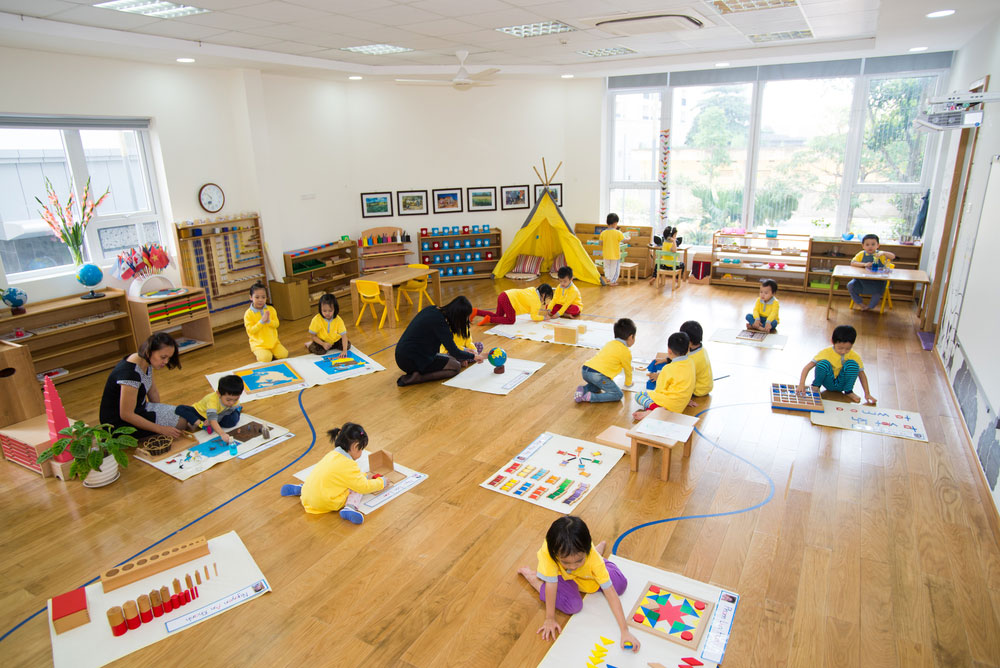
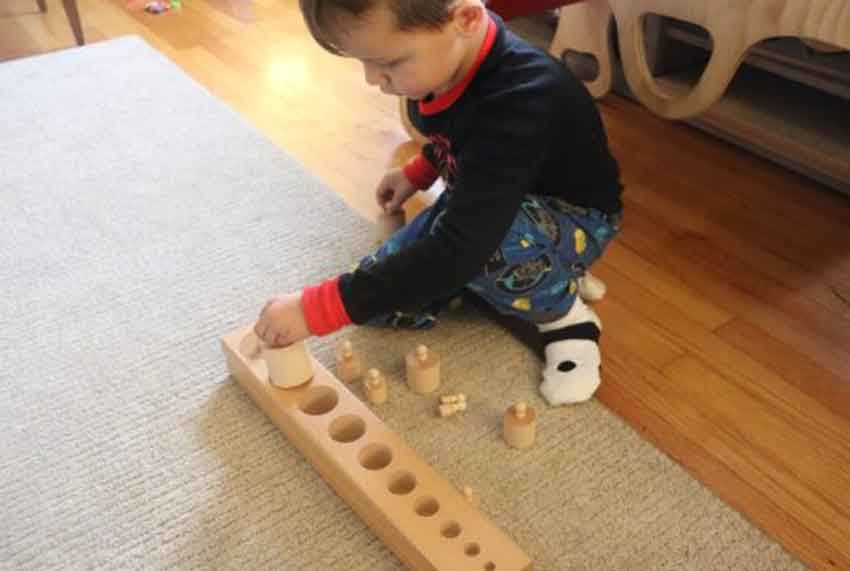
Montessori materials are not just toys; they are meticulously crafted, scientifically designed tools for learning. Their uniqueness lies in their purpose-driven design, which fosters independence, concentration, and a deep understanding of abstract concepts. Unlike traditional toys that often have a single function, each Montessori material is part of a larger, interconnected curriculum. The materials are often made from natural, aesthetically pleasing materials like wood, glass, and metal, which appeal to a child’s senses and add to the overall beauty of the classroom environment. This attention to detail is a hallmark of the Montessori method, which views the child as a “spiritual embryo” with an innate drive to learn.
The design of these materials is based on Dr. Maria Montessori’s observations of children. She noticed that children are drawn to objects that are beautiful and that they have a natural desire for order and repetition. This led to the development of materials that are “self-correcting.” For example, the Pink Tower, a set of ten wooden cubes of varying sizes, can only be built in one way. If a child makes a mistake, the material itself provides the feedback, allowing them to discover the error and correct it without adult intervention. This process of self-correction builds self-confidence and a sense of mastery, as the child learns to rely on their own internal guidance. It also frees the teacher to observe and guide, rather than to lecture and correct.
Furthermore, Montessori materials are designed to isolate a single quality or concept. For instance, the Geometric Solids only isolate the concept of form and volume, while the color tablets focus solely on the concept of color gradation. This isolation of difficulty allows the child to focus on one specific skill or concept at a time, preventing them from being overwhelmed. As the child progresses, these isolated concepts are integrated into more complex exercises. For example, the bead chains, which are used for counting and understanding the decimal system, are later used for more complex mathematical operations and even algebraic concepts. This gradual progression from the concrete to the abstract is a key principle of Montessori education, ensuring that the child has a solid foundation before moving on to more challenging material. The materials also encourage hands-on exploration, which engages a child’s mind and body simultaneously, leading to deeper and more meaningful learning. The materials are a gateway to a prepared environment that supports and nurtures a child’s natural curiosity and development.