The Aesthetic Appeal of Montessori Materials
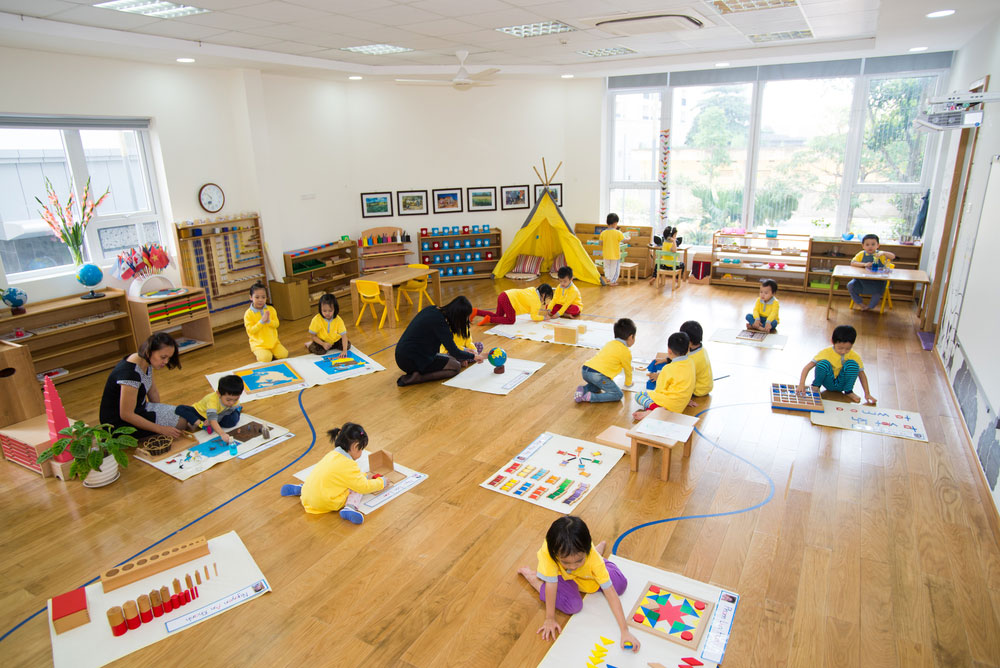
A hallmark of the Montessori prepared environment is its inherent beauty. Dr. Montessori believed that children are naturally drawn to beauty and that an aesthetically pleasing environment facilitates learning and concentration. This is why Montessori materials are often made of natural, high-quality materials like polished wood, shining brass, and delicate glass. The beauty of the materials acts as an invitation to the child. A child is much more likely to be drawn to a set of wooden cylinders or a basket of colorful silk thread than to a pile of plastic toys. This attraction is the first step in the learning process, as it sparks the child’s curiosity and desire to engage with the world.
Simplicity and the Removal of Distractions
Beauty in the prepared environment is closely linked to simplicity. Unlike many traditional classrooms that are filled with bright, primary colors and overwhelming wall displays, a Montessori room is typically neutral and uncluttered. This simplicity is intentional; it reduces “visual noise” and allows the child to focus their attention on the specific material they are working with. When the environment is simple and orderly, the child’s mind can be calm and focused. This aesthetic choice respects the child’s developing nervous system, providing a sanctuary where they can work without being overstimulated. By removing distractions, we create a space where deep concentration and intellectual growth can flourish.
Teaching Respect Through Fragility
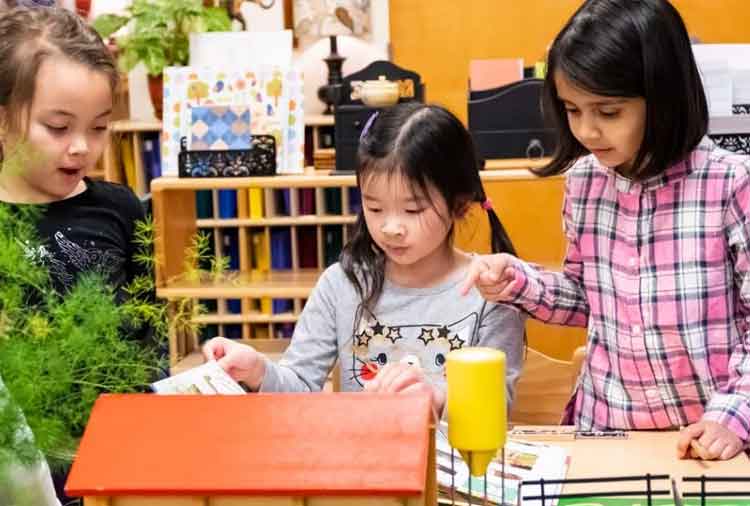
Interestingly, the prepared environment often includes items that are fragile, such as glass pitchers or ceramic bowls. While this may seem counterintuitive for a preschool setting, it serves a profound pedagogical purpose. Fragility teaches the child “care of the environment.” When a child handles a glass pitcher, they quickly learn that they must move with grace and precision. If the pitcher breaks, it provides a natural “Control of Error” and a lesson in consequence. This experience fosters a sense of responsibility and mindfulness. The child learns to value and care for beautiful things, which translates into a general respect for their surroundings and the property of others. This refinement of movement and character is a key part of their overall development.
The Environment as a Source of Inspiration
Finally, the beauty of the prepared environment serves to inspire the child’s spirit. A room filled with sunlight, fresh plants, and carefully curated art is a space that nourishes the child’s soul. Montessori teacher training emphasizes that the guide’s job is not just to provide academic lessons but to maintain the “sanctity” and beauty of the space. When a child is surrounded by beauty, they begin to develop their own aesthetic sense and an appreciation for the finer details of life. This nourishment of the spirit is just as important as the nourishment of the intellect. It fosters a sense of gratitude and a positive outlook on the world, ensuring that the child develops into a sensitive and appreciative human being.