Observation as a Scientific Tool
In a Montessori teacher training program, observation is not just a passive activity; it is a scientific tool and a cornerstone of the entire pedagogy. Dr. Maria Montessori developed her method by meticulously observing children in a prepared environment. She did not start with a curriculum; she started with a careful, non-judgmental observation of what children were naturally drawn to, what they focused on, and what brought them joy. The materials and the philosophy emerged from these observations. In a training program, you learn to observe like a scientist. You learn to be a “human camera,” to record what you see without judgment or interpretation. You learn to document a child’s movements, their interactions with the materials, their frustrations, and their triumphs. This is a skill that is heavily practiced and refined throughout the training. The ability to observe is what allows a Montessori teacher to truly “follow the child.” It is impossible to know what a child needs, what they are interested in, or what challenges they are ready for without this skill. The observation is what guides the teacher’s every decision, from when to give a presentation to when to simply step back and allow the child to work independently. It is the single most important skill a Montessori teacher can possess, and it is a skill that is at the heart of the training process.
From Observer to Guide: The Transformation
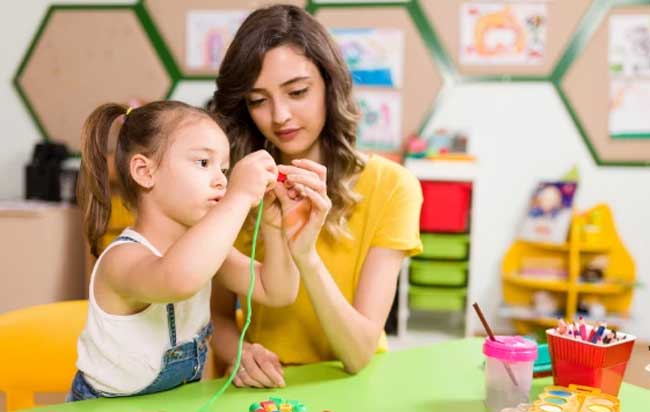
The journey of observation in Montessori training is a transformative one. It begins with the simple act of watching, but it quickly evolves into a deep understanding of the child’s inner life. Through observation, you learn to see the child as a person with an innate drive to learn and grow, a person who is on a path of self-construction. You learn to let go of the traditional teacher’s role of “giver of knowledge” and embrace the role of “guide.” The training teaches you to observe a child’s concentration, to recognize when they have entered a state of “flow,” and to protect that state at all costs. You learn to see the “normalization” process, where a child who was once restless and distracted becomes calm, focused, and purposeful. This transformation is a direct result of the teacher’s ability to observe and to provide the child with the right materials and the right environment. The observation is what allows the teacher to truly “follow the child,” not just in theory, but in practice. It is the key that unlocks the magic of the Montessori classroom, where children are not being taught, but are actively engaged in the profound work of learning and self-discovery.
The Power of Observation in a Classroom
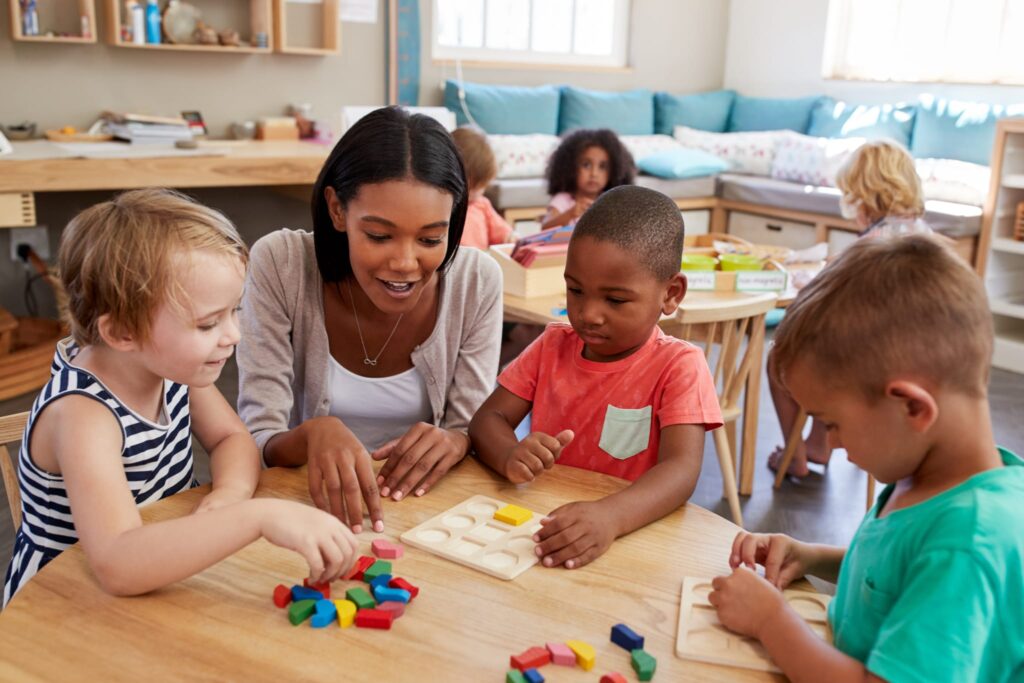
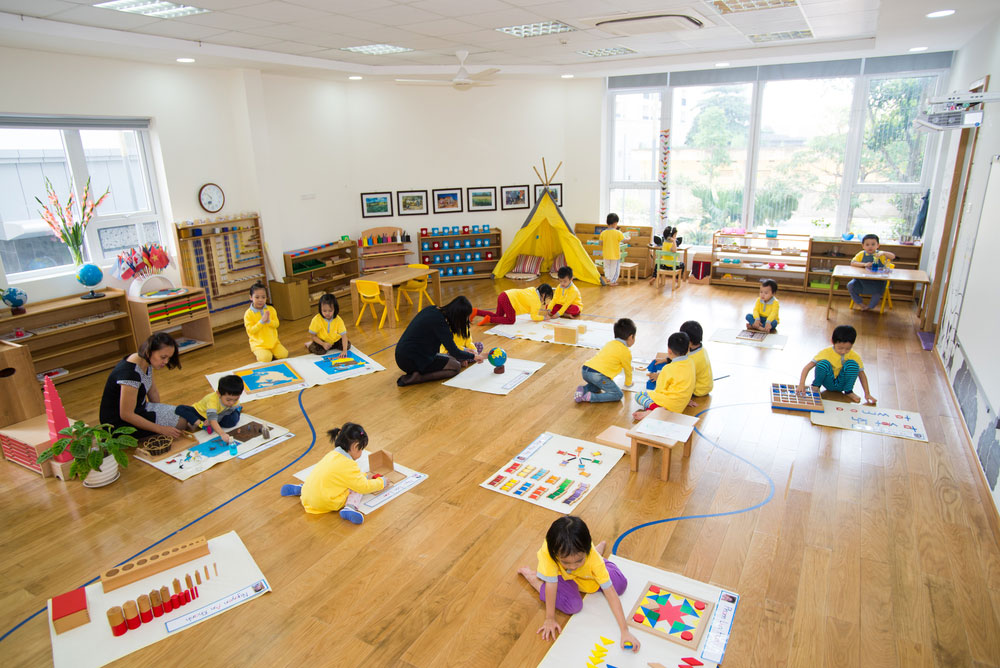
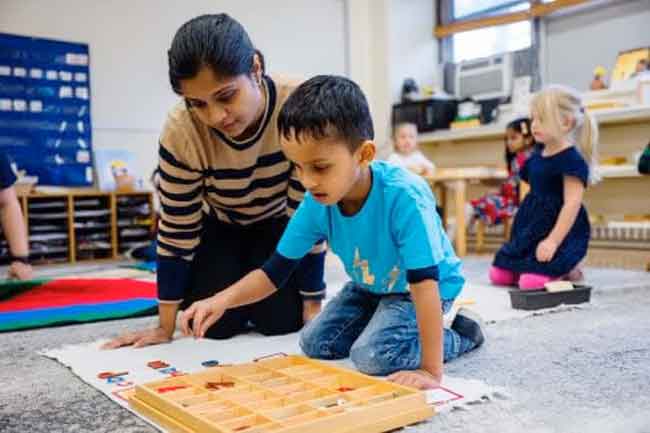
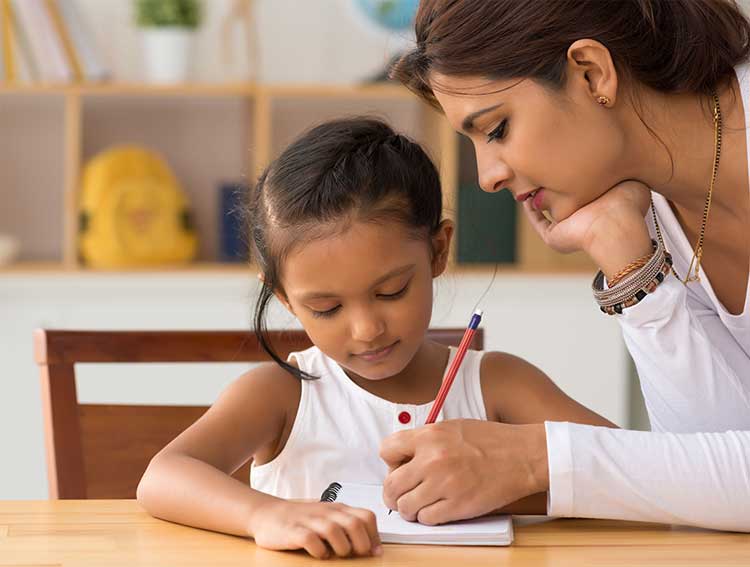
In a real Montessori classroom, observation is a continuous and vital process. The teacher is constantly observing, not just for a formal record, but to respond to the immediate needs of the children. They are watching for a child who is ready for a new challenge, a child who is frustrated and needs a gentle re-direction, or a child who is simply in need of a kind word. The observation is what allows the teacher to be a silent and supportive presence, rather than a constant source of noise and instruction. The teacher’s ability to observe also fosters a sense of trust and respect in the classroom. When a child knows that their teacher is watching them with a non-judgmental and respectful eye, they feel safe to explore, to make mistakes, and to learn at their own pace. The observation is a silent promise from the teacher to the child: “I see you, I respect you, and I trust you.” This is a powerful message that a child will carry with them for a lifetime. The Montessori classroom is a place of peace and focus precisely because the teacher is a master of observation. They are a quiet presence, a “guardian angel” whose watchful eye allows the children to blossom and grow in their own unique way.
Observation as a Path to Self-Improvement
Finally, observation in Montessori training is not just about the child; it is also about the teacher. The training teaches you to observe yourself, to become aware of your own biases, your own impulses, and your own reactions. You learn to see when you are imposing your will on the child, when you are talking too much, or when you are getting in the way of their learning. This self-observation is a critical component of the training, and it is what allows you to become a better teacher and a better person. It is a humbling and empowering process. You learn to let go of the ego, to find joy in the child’s independent discoveries, and to understand that the greatest sign of your success is to become “invisible.” The observation is a lifelong practice, and it is a path to a deeper understanding of yourself, of children, and of the world. It is the a profound skill that you will carry with you long after the training is complete, and it is what truly makes a Montessori teacher a guide, a scientist, and a silent guardian of the human spirit.