Core competencies in Montessori teacher preparation
Montessori training emphasizes several core competencies that shape classroom practice. These include deep observational skills, mastery of material presentations, environment preparation, understanding sensitive periods, and fostering social-emotional development. Trainees develop the ability to craft succinct, effective demonstrations and to create an environment that invites concentration and independence. The emphasis is on practical competence that directly impacts day-to-day interactions with children.
Observation and assessment by observation
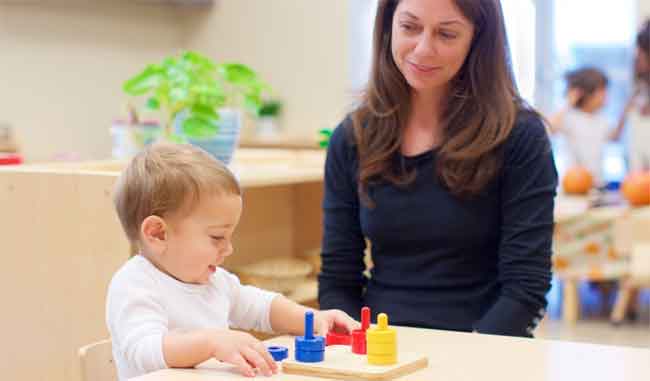
One of the first competencies trainees develop is disciplined observation. Rather than immediate intervention, Montessori teachers learn to watch for cues—what a child repeats, what they resist, and where concentration deepens. These observations inform decisions about lesson timing and material introduction. The ability to translate notes into pedagogical actions is a hallmark of Montessori competence.
Material mastery and presentation skill
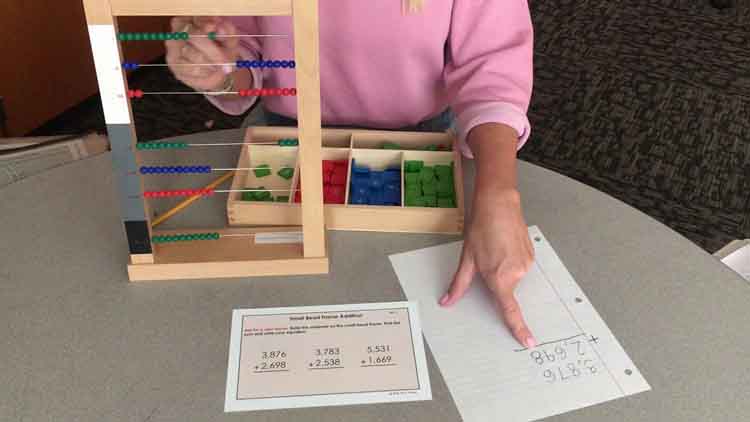
Montessori teachers must be fluent with the classic materials: how to set them up, present them, and repair or adapt them. Presentation skill is precise: a good presentation is short, clear, and demonstrative, leaving room for the child to explore. Trainees practice presentations extensively in supervised practicums until they reach clarity and timing that minimize confusion for the learner.
Environment design and classroom rhythms
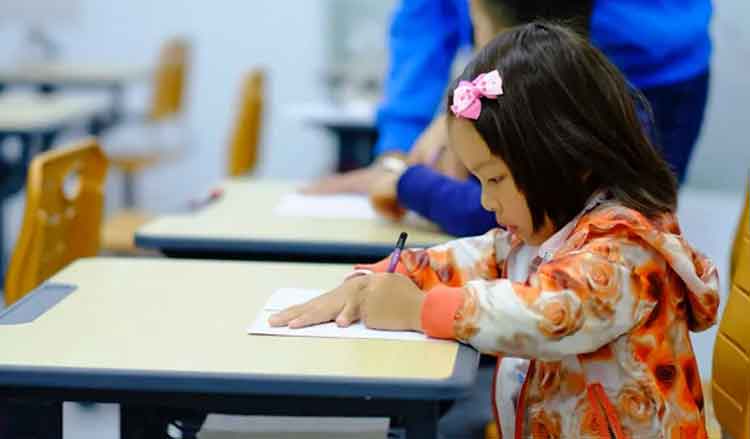
Competence includes designing an environment that supports sustained work. This means logical material grouping, low shelves, child-sized furniture, and established routines that children internalize. Classroom rhythms—arrival, work cycle, group time, snack, outdoor play—are structured to balance freedom and communal order, creating predictable conditions conducive to concentration.
Social facilitation and conflict mediation
Montessori teachers learn to facilitate social interactions and guide conflict resolution with short scripts and modeling. Teaching grace and courtesy, enabling peer mentoring, and supporting emotional regulation are part of the competency set. These social competencies create collaborative classroom cultures where children learn from and support one another.
Conclusion
Montessori training emphasizes competencies that directly support child-centered, independent learning: disciplined observation, material mastery, environment design, and social facilitation. Teachers trained in these areas create conditions where children can develop concentration, independence, and intrinsic motivation.