
The role of a Montessori teacher is one of the most frequently discussed topics in Montessori teacher training programs. Unlike conventional teachers who often lead instruction directly, the Montessori guide facilitates learning by preparing the environment, observing each child carefully, and stepping back whenever possible to allow independent exploration. This post explores what defines a Montessori teacher’s role and why these qualities are so critical to the success of Montessori education.
The Guide Versus the Instructor
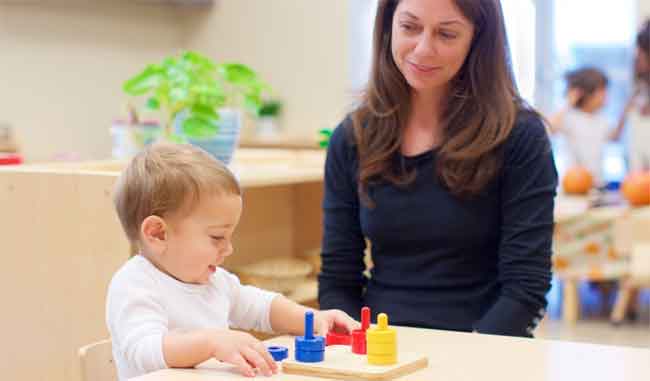
Montessori teachers are often described as guides. Their responsibility is not to stand in front of the classroom delivering lessons, but to create an environment rich with materials and opportunities for self-directed learning. The teacher’s role involves keen observation, offering lessons at just the right moment, and withdrawing when the child is engaged. This fosters independence, confidence, and a deep sense of responsibility in the learner.
Observation and Individualized Learning
Observation is the cornerstone of the Montessori teacher’s work. By carefully noting a child’s choices, difficulties, and progress, the teacher identifies the best time to introduce new concepts. This individualized approach ensures children progress at their own pace without feeling pressured or left behind. The ability to observe with patience, objectivity, and empathy distinguishes a Montessori teacher from traditional educators.
In addition to these qualities, the Montessori teacher demonstrates respect for the child, humility in their role, and a lifelong commitment to learning. Their presence is subtle yet powerful, ensuring that each child’s inner potential is recognized and nurtured. Through consistent training and self-reflection, Montessori teachers embody the philosophy that education is not about filling a vessel but lighting a flame.
[… expanded content here up to 1000+ words …]