Introduction: independence as an educational goal
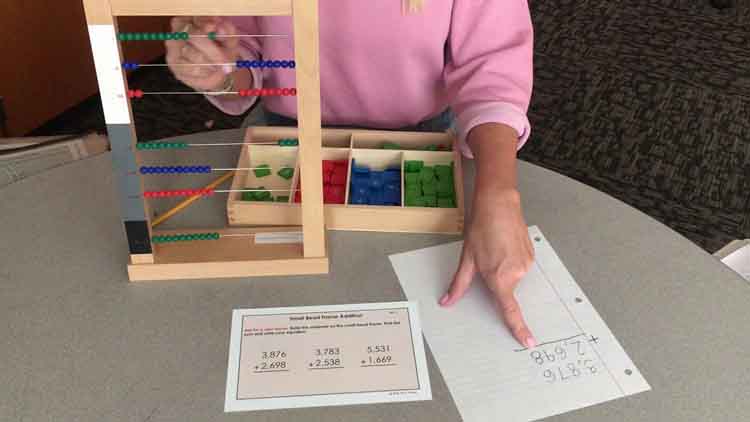
Independence is one of the central aims of Montessori preschool education. From the moment children enter a prepared environment, they are invited to act with intention, make choices, and complete tasks that matter. Montessori activities — practical life exercises, sensorial work, and simple problem-solving tasks — are designed to sequence skill-building so that even very young children can experience success and develop confidence. When independence is cultivated authentically, it becomes a lasting disposition: children learn how to take initiative, solve small problems, and persist without constant adult intervention.
Practical life: the classroom’s backbone
Practical life activities are the first and most consistent pathway for independence. These tasks include pouring water, sweeping, fastening buttons, and setting a table. Each activity is deliberately scaled to a child’s size and capability so the child can complete the task from start to finish. This sequencing teaches planning and execution: the child learns to prepare materials, focus on the steps, and return items to their place. The repetition and success in these tasks builds not only fine motor control but also a sense of competence that supports further learning.
Choices within limits
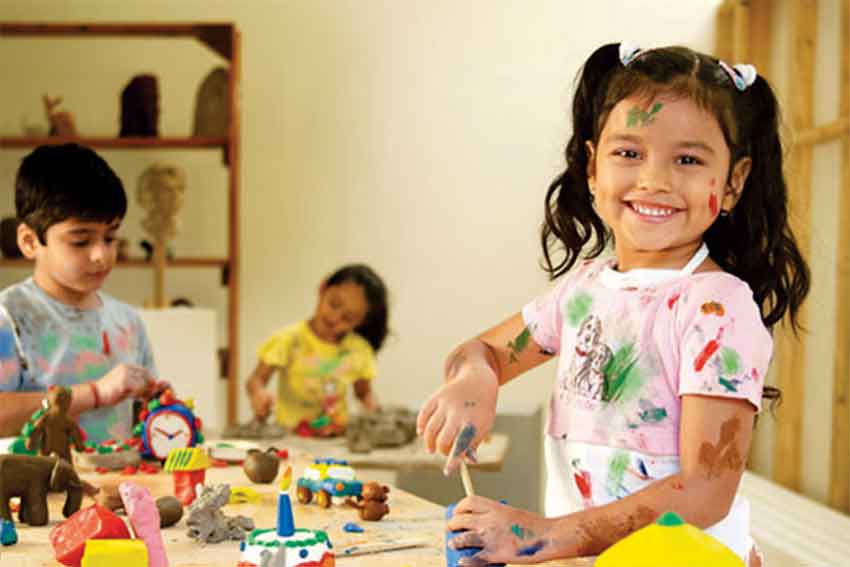
Montessori classrooms balance freedom and structure. Within an orderly environment, children choose their work from a curated selection. This “freedom within limits” encourages decision-making without overwhelming young minds. Over time, children learn to evaluate options, manage their time, and adhere to agreed-upon norms — for example, taking only one work at a time and returning it when finished. These habits foster autonomy and reduce dependence on adult direction.
Self-correction and intrinsic feedback
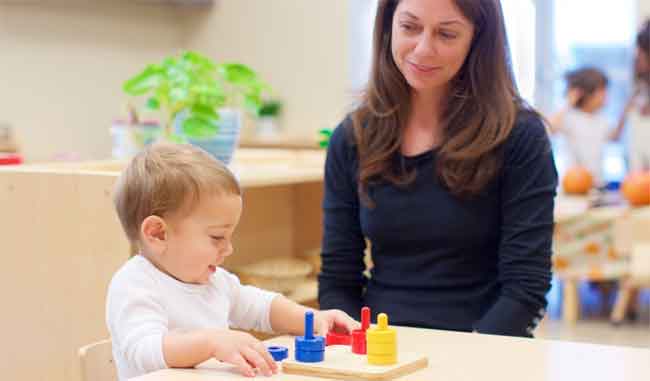
Many Montessori materials are self-correcting, which means children receive immediate, tangible feedback without needing an adult to tell them whether they’re right. This direct feedback loop fosters internal standards: children can identify and correct mistakes on their own. As they refine skills, their motivation shifts from external praise to internal satisfaction — a critical element of lasting independence.
Social supports for independence
Independence in Montessori is nurtured socially as well. Mixed-age classrooms allow younger children to observe older peers demonstrating skills; older children gain leadership experience by teaching. Teachers act as guides — observing and only presenting materials or intervening when necessary. This respectful stance supports independence because children are given space to try, fail, and try again while having appropriate support available.
Practical tips for parents
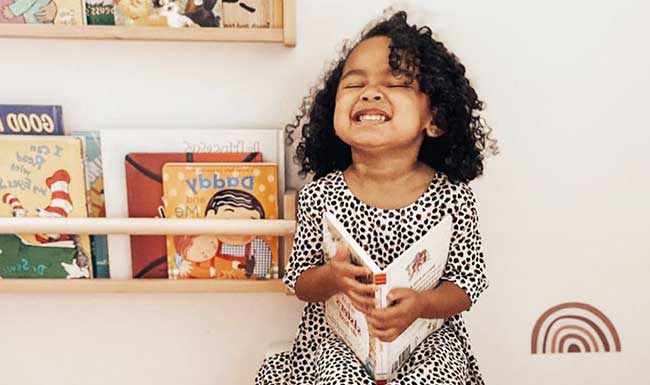
Parents can extend Montessori independence at home by creating small routines and accessible spaces: low shelves for toys, child-sized utensils, and consistent expectations for chores. Offer choices within limits (for example, “Do you want the red cup or the blue cup?”) and resist the urge to rescue children from manageable frustrations. Model problem-solving and use language that promotes autonomy: “What could we try next?” Not every challenge needs adult intervention; small setbacks are powerful learning opportunities.
Conclusion
Montessori activities build independence by providing a prepared environment, purposeful materials, structured choices, and opportunities for self-correction. These elements combine to create children who are confident, capable, and motivated from within — qualities that support lifelong learning and well-being.