
Principles that guide content selection
A Montessori home favors a curated collection of materials that emphasize real-life skills, sensorial refinement, and gradual abstraction. The selection should reflect these principles: materials that are useful, beautiful, durable, and designed to isolate a single quality for learning. Simplicity and rotation are important—too many materials overwhelm the child and obscure focused practice.
Essential zones and items
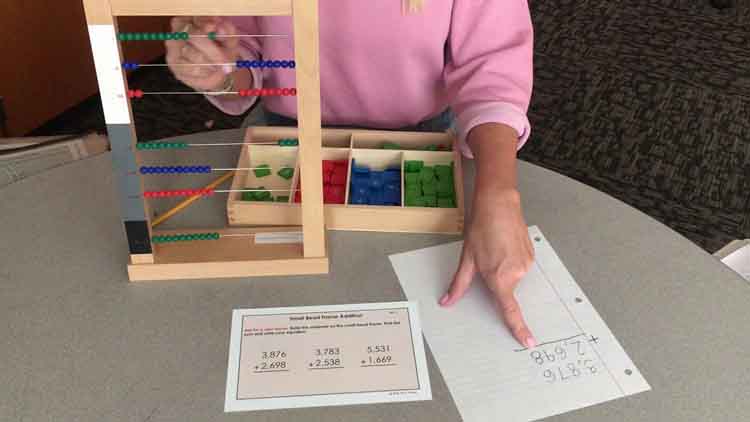
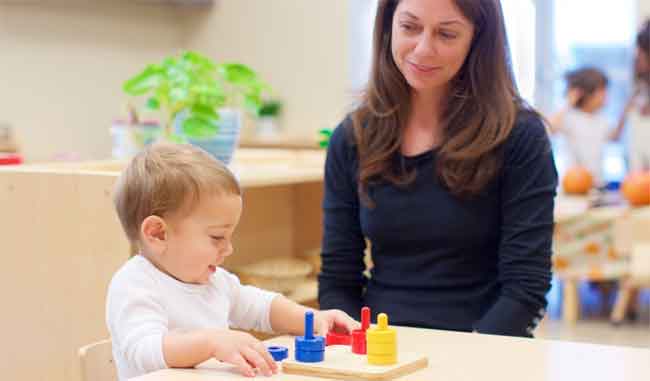
Organize the home into functional zones: a practical life area (kitchen access, a child-sized work surface), a sensorial/material shelf, a reading nook, and an art area. Essential items include low shelving, child-sized utensils, small pitchers, bowls, cloths, small brooms and dustpans, trays, and a modest set of sensorial materials (color cards, stacking/nesting toys, textured fabrics). For literacy, sandpaper letters and a movable alphabet are high-impact; for early numeracy, bead chains and counting objects work well.
Prioritizing safety with real tools
Montessori favors real tools scaled to the child, not plastic toy imitations. Safety is achieved by selecting age-appropriate real tools—dull knives for spreading, small tongs for transfers, and supervised use of peelers and child-friendly cutters. Teach safe handling explicitly and keep risky tools for guided practice. This approach communicates trust and builds competence while managing risk.
DIY and low-cost alternatives
High-end Montessori materials are useful, but many effective activities are inexpensive DIY solutions: bottle caps for sorting, fabric swatches for texture bins, wooden spoons and measuring cups for practical life, and labeled containers for matching tasks. The key is intentional structure: limit options, create clear success criteria, and present activities on trays to encourage responsible use and easy cleanup.
Rotation and novelty
Rotate materials on a weekly or biweekly schedule to sustain interest. Keep only a few activities visible to the child at any time and store extras out of sight. Rotation also helps you observe which activities the child returns to and which can be replaced. Preserve novelty by introducing a new material in a short, precise demonstration and then allowing independent exploration.
Presentation and aesthetics
Arrange materials neatly and attractively; beauty invites care and attention. Wooden trays, small baskets, and tidy layouts communicate that these are meaningful activities. Avoid clutter and bright plastic gadgets with flashing lights—choose visually simple materials that invite focused manipulation.
Family integration and meaningful tasks
Make sure activities connect to real family life. Basic cooking projects, setting the table, folding cloths, and gardening tasks reinforce that the child’s work matters. When activities have visible outcomes—a clean table, a watered plant—the child gains a clear sense of contribution and accomplishment.
Scaffolded complexity
Provide materials that offer progressive complexity. For example, for pouring: start with dry transfers (beans), move to water pouring, then to transferring with a funnel, and finally to pouring from a pitcher into a cup. This sequencing preserves success experiences while gradually increasing challenge.
Storage and care routines
Teach children to care for materials by including simple storage and cleaning routines: a small cloth for wiping, a place to return each tray, and a model demonstration on how to tidy up. Caring for the environment becomes a learned habit and supports order as an enduring value.
Adapting to small spaces
Even very small homes can implement Montessori principles. Use vertical shelving, baskets stored under beds, and compact trays. Rotate materials more frequently and choose multipurpose items. A single drawer or a small cart can function effectively as a rotating learning station.
Conclusion: function, beauty, and purpose
A Montessori home contains items chosen for purpose, beauty, and developmental value. Prioritize real tasks, accessible tools, and a simple, rotated selection that invites long, focused work. With intentional selection and presentation, even modest resources can create a rich learning environment at home.