Understanding the Foundation of Montessori Pedagogy
Embarking on a Montessori teacher training program is a significant decision, and for many, the central question is whether the investment of time, effort, and money is truly worth it. The answer lies in a deep dive into the very core of what Montessori education is and how the training prepares you for it. Unlike traditional teacher education, Montessori training is not simply about learning a curriculum to deliver to students. It is a transformative process that challenges and re-shapes your fundamental beliefs about children, learning, and your role as an educator. The training is rooted in the scientific observations of Dr. Maria Montessori, and it provides you with a profound understanding of child development, from the absorbent mind of the infant to the reasoning mind of the adolescent. You learn to see the child as a “spiritual embryo,” a person with an innate drive to learn and grow, who is on a path of self-construction. This philosophical grounding is what makes Montessori training unique. You don’t just learn “what to teach,” but “how to be” in a way that nurtures the child’s natural development. The value, therefore, is not just in the certificate you receive, but in the shift in perspective that empowers you to become a true guide and facilitator of learning. The training is an intensive, introspective journey that requires you to step back and allow the child to lead, a skill that is both challenging and incredibly rewarding.
The Rigor and Depth of Montessori Training
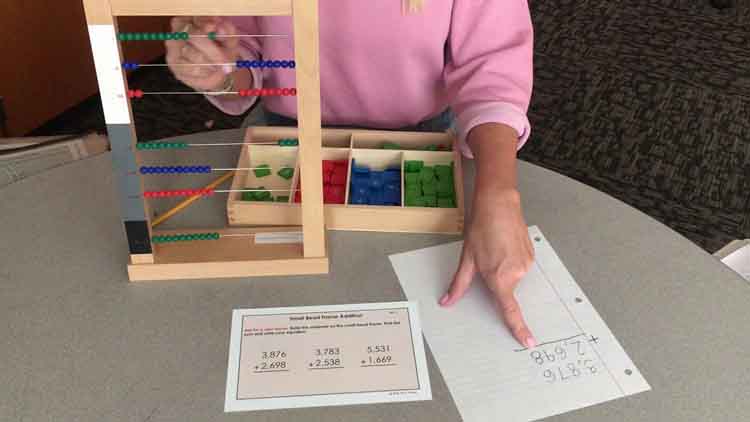
A certified Montessori training program, particularly those accredited by organizations like AMI or AMS, is known for its rigor and depth. It is a hands-on, immersive experience that goes far beyond a typical classroom setting. A significant portion of the training is dedicated to the practical application of the Montessori materials. You don’t just learn about the materials; you work with them extensively, mastering the precise sequence of presentation, the key language to use, and the underlying purpose of each piece. This is a meticulous process that can feel overwhelming at first, but it is essential for preparing you to be a confident and competent guide in the classroom. You will spend countless hours in practice labs, giving presentations to your peers and internalizing the purpose of each material. In addition to the practical work, the training includes a deep study of Montessori philosophy, child psychology, and the art of observation. You will learn how to observe a child without judgment, to document their progress, and to identify their “sensitive periods”—windows of opportunity for learning. The culmination of the training is often a practicum, where you work in a real Montessori classroom under the guidance of an experienced mentor. This practical experience is invaluable and provides the final piece of the puzzle, allowing you to apply your knowledge in a real-world setting. The rigor of the training ensures that you are not just a teacher, but a highly skilled professional with a unique and powerful toolkit for guiding children’s development.
Career Opportunities and Long-Term Value
The investment in a Montessori teacher training program yields a high return in terms of career opportunities and long-term professional satisfaction. The demand for qualified Montessori educators is growing globally, in both private and public school sectors. A Montessori certification opens doors to a unique and thriving job market. But the value goes beyond securing a job. The skills you acquire—patience, observation, organization, and a deep respect for the individual—are transferable life skills that will benefit you in any professional or personal endeavor. The Montessori method is not just for the classroom; it’s a way of life. The training can also be a springboard for other career paths, such as school administration, curriculum development, or even starting your own Montessori-inspired business. The community of Montessori educators is a strong and supportive one, and you will become part of a global network of professionals who are passionate about their work. Furthermore, the philosophy itself offers a profound sense of purpose. Knowing that you are helping to shape independent, critical-thinking, and compassionate individuals is a deeply rewarding experience that few other professions can offer. The value of Montessori training is not just in the salary you earn, but in the profound sense of fulfillment that comes from knowing you are making a meaningful and lasting impact on the lives of children and families. In a world that often prioritizes speed and conformity, the Montessori approach stands as a powerful alternative, and by getting certified, you become a part of that movement.
Comparing Montessori Training to Traditional Education Degrees
For those considering a career in education, it’s important to understand the key differences between a Montessori teacher training program and a traditional education degree. A traditional program often focuses on a broad range of pedagogical theories, classroom management techniques, and a standardized curriculum. The emphasis is often on group instruction, lecture-based learning, and preparing students for standardized tests. While these programs provide a valuable foundation, they often lack the depth and specialization of Montessori training. Montessori training, by contrast, is a deep dive into a single, cohesive educational philosophy. The focus is on individual instruction, observation, and the prepared environment. Instead of learning general classroom management, you learn how to create a peaceful and orderly environment where children are self-disciplined and focused. Instead of a prescribed curriculum, you learn to follow the child’s interests and developmental needs. This difference is not just theoretical; it manifests in the day-to-day life of a Montessori classroom, which is a place of calm, focused work rather than a place of constant direction from the teacher. The training for each is fundamentally different, with Montessori training being more focused, practical, and philosophical. While a traditional degree might be a prerequisite for some positions, a Montessori certification provides a unique set of skills and a deep understanding that is highly sought after by schools and parents who are committed to this unique approach to education. The choice between the two paths depends on your personal philosophy and your long-term career goals.
The Montessori Teacher: A Guide, Not a Giver
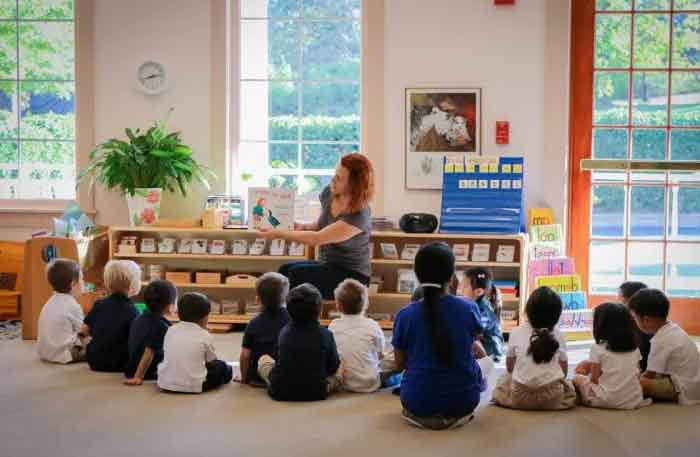
The final and most profound answer to the question of whether Montessori teacher training is worth it lies in the transformation of the teacher themselves. In a traditional classroom, the teacher is often seen as the source of all knowledge, the “giver.” The students are the receivers. In a Montessori classroom, this dynamic is completely inverted. The teacher is a “guide,” a “directress” whose job is to connect the child to the environment and the materials, and then to step back and observe. The training teaches you to let go of control, to trust the child’s innate wisdom, and to find joy in their independent discoveries. It is a humbling and empowering experience. You learn to listen more than you speak, to observe more than you direct, and to believe in the child’s capacity for self-construction. This shift in mindset is a difficult one for many to make, as it goes against years of conventional schooling and cultural norms. However, it is also what makes the Montessori classroom so magical. When a child makes a profound discovery on their own, the joy and confidence they feel is something that no amount of lecturing or external praise can replicate. The value of the training is that it gives you the tools and the perspective to facilitate this kind of deep, meaningful learning. It is an investment in your own personal growth as well as in your professional career, and for those who are drawn to it, it is a journey that is absolutely, unequivocally worth taking.