
The pursuit of a career in education is often motivated by a desire to make a difference in a child’s life. However, for those who choose **Montessori teacher training**, the journey is about more than just becoming a teacher; it is a profound journey of personal and professional transformation. Unlike traditional teacher education that often focuses on curriculum delivery and classroom management, Montessori training is rooted in a deep-seated philosophy of respecting the child as an individual with immense potential. The training program is designed to instill not just knowledge, but a sense of humility, observation, and a fundamental belief in the child’s ability to self-construct. But does this unique approach to training truly create educators who are more effective at fostering a lifelong love of learning, and is this philosophical shift the most critical outcome of the entire process?
### Unlearning and Embracing a New Role
A core component of **Montessori teacher training** is the unlearning of conventional educational paradigms. Trainees are taught that their role is not to be a source of all knowledge, but to be a facilitator who prepares the environment and presents lessons. The focus is on empowering the child to learn on their own, to find their own path to mastery. This requires an educator to surrender control and to have a deep trust in the child’s inner drive. This can be a challenging transition for those who come from a more traditional educational background. But the training provides the tools and the philosophical framework to make this transition possible. The outcome is an educator who is not only skilled in using the **Montessori materials** but who also deeply understands the “why” behind every aspect of the method.
### Hands-On Experience with Materials
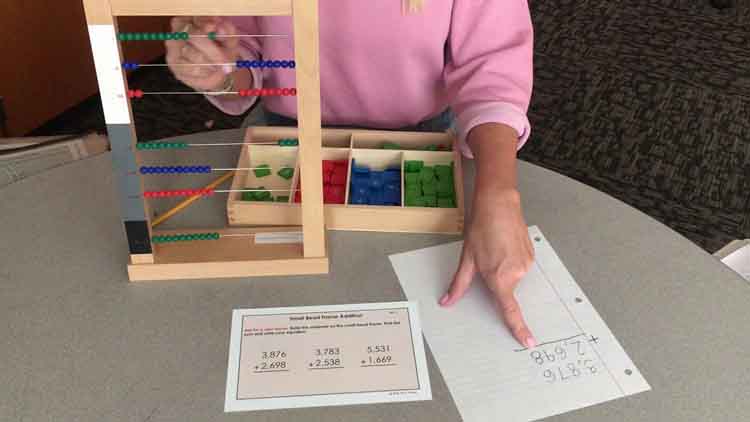
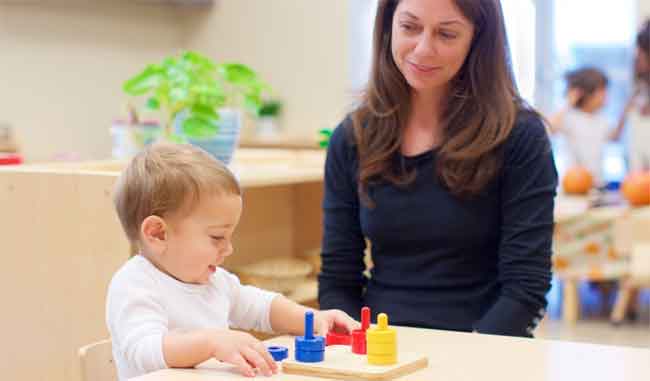
The training curriculum is intensive and multifaceted. A significant portion is dedicated to hands-on work with the **Montessori materials** themselves. Trainees do not just study the materials from a distance; they use them, practice with them, and understand their purpose and sequence. This hands-on experience is crucial for two reasons. First, it allows the future teacher to deeply understand the materials’ purpose and to present them to a child with confidence and grace. Second, and perhaps more importantly, it allows the educator to experience the materials from the child’s perspective, fostering a deep empathy for the learning process. By working with the materials, the trainee gains a first-hand appreciation for their design, the control of error, and the way they build a bridge from concrete to abstract. This empathy and understanding are essential for creating a classroom environment that is respectful and nurturing.
### The Power of Observation
As discussed in other posts, a significant portion of the training is dedicated to the study of child development and the practice of objective, non-judgmental observation. Trainees spend countless hours in a real Montessori classroom, not as instructors, but as silent observers. This practice is designed to change the way an educator sees a child. Instead of seeing a child who is misbehaving or distracted, they learn to see a child who is communicating a need or entering a sensitive period for a particular skill. This observational skill is paramount, as it allows the teacher to know when to present a new lesson, when to stand back, and when to simply be a supportive presence. Without this observational training, could an educator truly “follow the child,” which is a cornerstone of the philosophy?
### The Community and Lifelong Learning
The training also builds a powerful sense of community. Montessori educators are part of a global network of professionals who share a common philosophy and a passion for child-centered learning. This community provides a powerful support system, where educators can share observations, seek advice, and collaborate on best practices. The standardized nature of the **Montessori materials** and the shared philosophical framework provides a common language that unites educators across different cultures and backgrounds. This collaborative network is an invaluable resource, particularly as the world of education evolves. Is this sense of global community a unique benefit of the training, and does it contribute to the resilience and enduring relevance of the **Montessori** method?
### A Path of Continuous Discovery
In conclusion, **Montessori teacher training** is a holistic and transformative process. It prepares educators to be not just teachers, but guides, observers, and lifelong students of human development. The unique combination of philosophical study, hands-on practice with the materials, and community building creates a powerful foundation for a career that is both challenging and deeply rewarding. It is a career that is not about imposing knowledge but about fostering a love for learning that will last a lifetime. And in a world that so often prioritizes test scores and academic achievement, is this focus on cultivating a love for learning the most valuable outcome of all? The training suggests that the answer is a resounding yes.