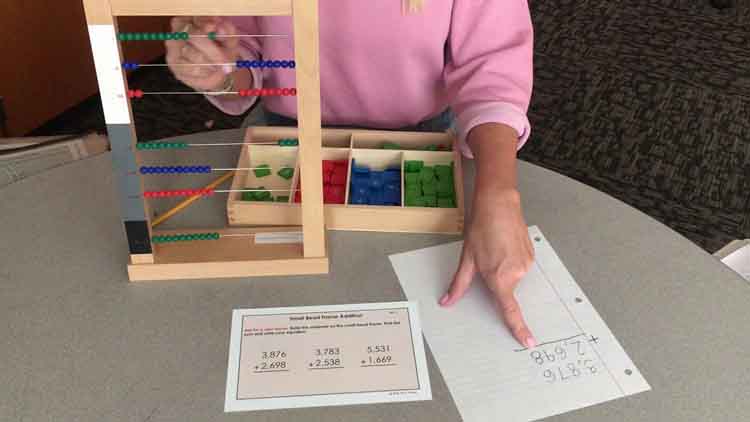
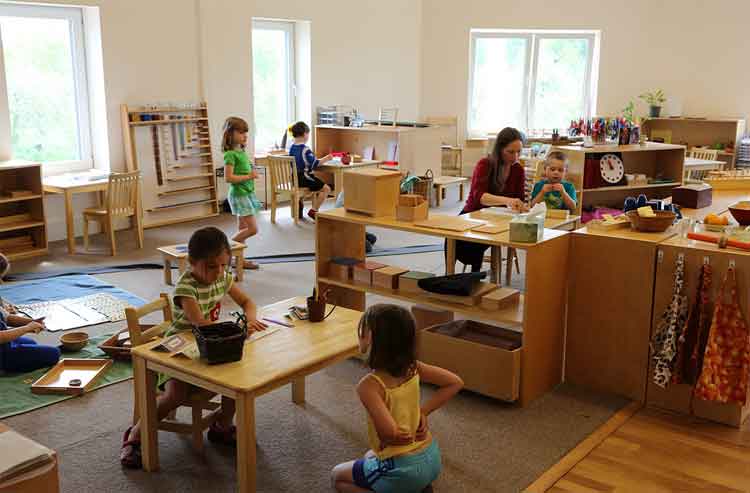
While the Montessori method has found a natural home in India, its implementation is not without significant challenges. These challenges are not just logistical; they are also philosophical and cultural. The traditional Indian educational system, with its emphasis on rote memorization, standardized testing, and teacher-centric instruction, is deeply ingrained in the country’s psyche. Introducing a method that challenges these very foundations requires a profound shift in mindset from parents, educators, and policymakers alike. The biggest challenge is the **misunderstanding and misrepresentation of the philosophy**. With the growing popularity of the “Montessori” name, many schools have adopted the label without a genuine commitment to its core principles. This can lead to a dilution of the philosophy, where a school might have some Montessori materials but lack the crucial elements of a prepared environment, a trained educator, and a commitment to following the child. This misrepresentation creates confusion for parents and can undermine the credibility of authentic Montessori schools. The challenge for the authentic Montessori community in India is to educate the public about the difference and to uphold the highest standards of the philosophy. This requires strong leadership, clear communication, and a commitment to being a beacon of authenticity in a sea of imitation. The professional development of a Montessori educator is a continuous journey, and the training is just the beginning. By making the training more accessible, we can create a larger and more diverse community of educators who are committed to the philosophy.
Another significant challenge is the **socio-economic and cultural context** of India. The Montessori method was originally developed for a different cultural and economic environment, and its implementation in India requires a level of adaptation and innovation. For example, the traditional materials can be expensive, and the teacher training is a significant financial investment. Making the method accessible to a wider audience, especially in rural and low-income areas, requires creative solutions. This can include developing low-cost, locally-sourced materials, or creating a new model for teacher training that is more affordable and accessible. The traditional Montessori curriculum, with its focus on European history and culture, may also need to be adapted to reflect the local context. The professional development of a Montessori educator is a continuous journey, and the training is just the beginning. By making the training more accessible, we can create a larger and more diverse community of educators who are committed to the philosophy. This is the enduring legacy of Dr. Montessori’s vision for teacher education, a vision that sees the teacher not as a technician, but as a guide in the truest sense of the word. A teacher who is constantly learning is a teacher who is constantly evolving, and a teacher who is constantly evolving has the power to transform not just a classroom, but the world. This is the ultimate goal of continuous professional development in the Montessori method, and it is a legacy that has the power to transform not just a school, but the world. It is a commitment to being a part of a community that is always learning, always growing, and always striving to be a better guide for the child. This is the enduring legacy of Dr. Montessori’s vision for teacher education, a vision that sees the teacher not as a technician, but as a guide in the truest sense of the word.
The Challenge of Teacher Training and Retention
The **training and retention of qualified Montessori educators** is another major challenge. The training is rigorous and demanding, and it requires a profound commitment to personal and professional growth. A teacher must not only master the curriculum and the materials, but they must also engage in a lifelong journey of inner preparation. This level of commitment can be difficult to sustain, especially in a country where the teaching profession is not always as valued or as well-compensated as it should be. The challenge for the Montessori community in India is to create a professional environment that supports and celebrates its educators. This can include providing ongoing professional development opportunities, creating a culture of collaboration and mentorship, and offering competitive compensation and benefits. The professional development of a Montessori educator is a continuous journey, and the training is just the beginning. By making the training more accessible, we can create a larger and more diverse community of educators who are committed to the philosophy. This is the enduring legacy of Dr. Montessori’s vision for teacher education, a vision that sees the teacher not as a technician, but as a guide in the truest sense of the word. A teacher who is constantly learning is a teacher who is constantly evolving, and a teacher who is constantly evolving has the power to transform not just a classroom, but the world. This is the ultimate goal of continuous professional development in the Montessori method, and it is a legacy that has the power to transform not just a school, but the world. It is a commitment to being a part of a community that is always learning, always growing, and always striving to be a better guide for the child. This is the enduring legacy of Dr. Montessori’s vision for teacher education, a vision that sees the teacher not as a technician, but as a guide in the truest sense of the word.
Leadership and Advocacy Challenges
Finally, the **lack of a unified voice and a strong advocacy network** is a significant challenge for the Montessori community in India. The movement is fragmented, with many different organizations and schools operating independently. This makes it difficult to present a unified front to policymakers, parents, and the public. The challenge is to create a strong, collaborative community that can work together to promote the Montessori philosophy and to advocate for its wider adoption. This requires a new generation of leaders who are not just committed to their own schools, but who are also committed to the larger movement. They must be willing to put aside their differences and to work together for the greater good. The professional development of a Montessori educator is a continuous journey, and the training is just the beginning. By making the training more accessible, we can create a larger and more diverse community of educators who are committed to the philosophy. This is the enduring legacy of Dr. Montessori’s vision for teacher education, a vision that sees the teacher not as a technician, but as a guide in the truest sense of the word. A teacher who is constantly learning is a teacher who is constantly evolving, and a teacher who is constantly evolving has the power to transform not just a classroom, but the world. This is the ultimate goal of continuous professional development in the Montessori method, and it is a legacy that has the power to transform not just a school, but the world. It is a commitment to being a part of a community that is always learning, always growing, and always striving to be a better guide for the child. This is the enduring legacy of Dr. Montessori’s vision for teacher education, a vision that sees the teacher not as a technician, but as a guide in the truest sense of the word.