Montessori education is often associated with beautifully crafted wooden materials and thoughtfully prepared classrooms. While these resources are valuable, many parents wonder if they can replicate the Montessori experience at home without spending a fortune. The good news is: yes, you absolutely can. DIY Montessori materials are not only cost-effective, but they also allow parents to tailor learning experiences to their child’s interests and developmental stage.
In this article, we’ll explore how parents can create effective Montessori-inspired materials at home, what principles to follow, and practical examples you can start using today.
Understanding the Montessori Philosophy First
Before jumping into DIY projects, it’s important to understand that Montessori is not just about materials—it’s about how children learn. Montessori education emphasizes:
- Independence
- Hands-on learning
- Real-life skills
- Respect for a child’s pace
The materials are simply tools that support these principles. So, when creating DIY versions, focus less on perfection and more on purpose and usability.
Why DIY Montessori Materials Work
Many parents assume that without official materials, their child may miss out. However, DIY Montessori materials can be just as effective because:
- They are personalized to your child’s needs
- They use familiar household items, making learning more relatable
- They encourage creativity and problem-solving
- They are budget-friendly, reducing financial pressure
In fact, some of the most meaningful learning experiences come from simple, everyday objects.
Key Principles for Creating DIY Montessori Materials
To ensure your DIY materials are effective, follow these core Montessori principles:
1. Simplicity
Avoid overcomplicating materials. Each activity should focus on one concept at a time.
2. Purpose
Every material should have a clear learning goal—whether it’s fine motor skills, counting, or language.
3. Self-Correction
Whenever possible, design materials so children can identify and fix their own mistakes.
4. Accessibility
Keep materials within your child’s reach so they can choose activities independently.
5. Real-Life Connection
Use real objects instead of plastic toys whenever possible.
Easy DIY Montessori Materials You Can Make at Home
Let’s explore some practical ideas you can start with right away.
1. Pouring Station (Practical Life Skills)
Materials needed:
- Two small cups or pitchers
- Rice, lentils, or water
- A tray
What it teaches:
- Hand-eye coordination
- Concentration
- Independence
Set up a simple pouring activity and let your child transfer materials from one container to another. This builds foundational life skills.
2. Color Sorting Activity
Materials needed:
- Colored paper or cloth
- Matching objects (buttons, beads, toys)
What it teaches:
- Color recognition
- Categorization
Place colored sheets on a tray and ask your child to match objects to the correct color.
3. DIY Sandpaper Letters
Materials needed:
- Cardboard
- Sandpaper
- Marker
What it teaches:
- Letter recognition
- Pre-writing skills
Cut sandpaper into letter shapes and glue them onto cards. Children trace the letters with their fingers, reinforcing memory through touch.
4. Counting with Everyday Objects
Materials needed:
- Small items like beans, stones, or buttons
- Paper with numbers written on it
What it teaches:
- Number recognition
- Counting skills
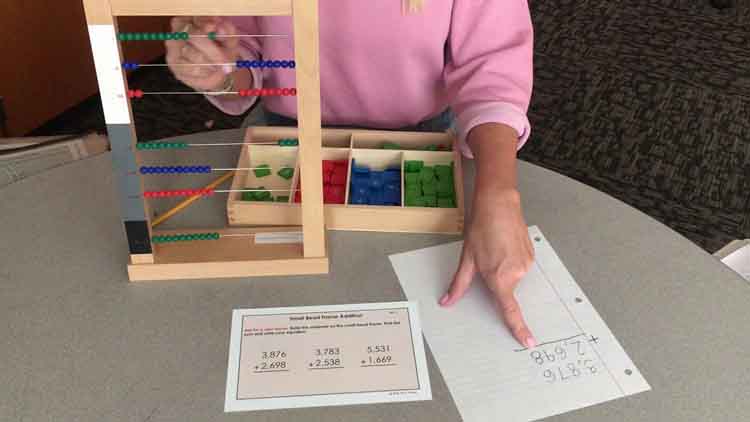
Ask your child to place the correct number of objects next to each number.
5. Buttoning and Zipping Frame
Materials needed:
- Old shirt or fabric with buttons/zippers
- Cardboard or embroidery hoop
What it teaches:
- Fine motor skills
- Dressing independence
This is a great way to help children practice real-life dressing skills.
6. Sensory Bins
Materials needed:
- A container
- Rice, sand, or pasta
- Small hidden objects
What it teaches:
- Sensory exploration
- Focus and curiosity
You can create themed bins (farm, ocean, alphabet) to keep it engaging.
How to Present DIY Materials to Your Child
In Montessori, presentation is just as important as the material itself. Here’s how to do it effectively:
- Demonstrate slowly and silently first
- Allow your child to try without interruption
- Avoid correcting immediately—let them explore
- Keep activities short and engaging
Remember, the goal is to build confidence, not perfection.
Common Mistakes Parents Should Avoid
While DIY Montessori is flexible, there are a few pitfalls to watch out for:
1. Overloading Activities
Too many elements can confuse the child. Keep it simple.
2. Forcing Participation
If your child isn’t interested, step back and try again later.
3. Prioritizing Aesthetics Over Function
Your materials don’t need to look perfect—they just need to work.
4. Interrupting the Child
Allow uninterrupted focus. This is when deep learning happens.
Creating a Montessori-Friendly Space at Home
DIY materials work best in a prepared environment. You don’t need a full classroom—just a small, organized space.
- Use low shelves
- Rotate materials weekly
- Keep items clean and minimal
- Allow freedom of movement
This encourages independence and responsibility.
Benefits Beyond Learning
DIY Montessori materials offer more than academic development. They also:
- Strengthen the parent-child bond
- Encourage patience and observation
- Build a child’s confidence
- Promote a love for learning
Parents often find that they become more mindful and engaged in their child’s development through this process.