The science of attention and Montessori design
Focus is more than sitting still: it is the sustained attention to a chosen task. Montessori environments are constructed to invite deep engagement. Materials are sequenced from simple to complex and are self-contained so the child receives immediate feedback. This structure reduces disruption and supports the development of executive functions: working memory, cognitive flexibility, and inhibitory control. Over time, these executive functions underpin the ability to focus on tasks purposefully.
Hands-on work and sensory engagement
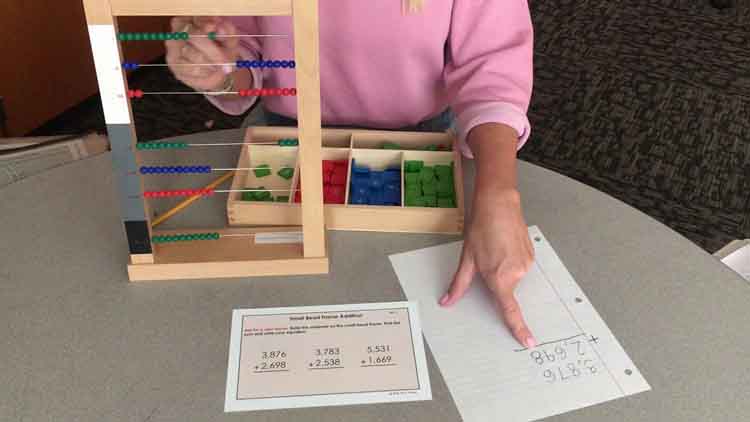
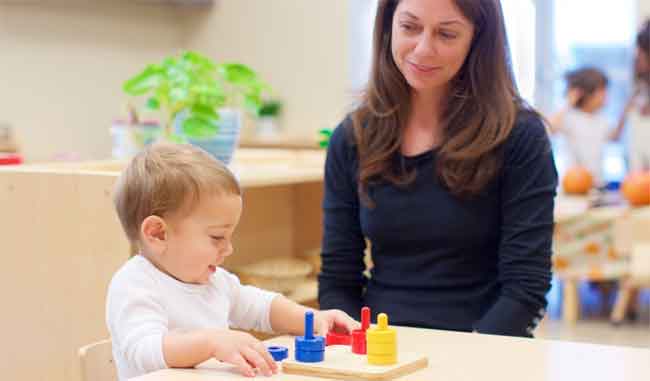
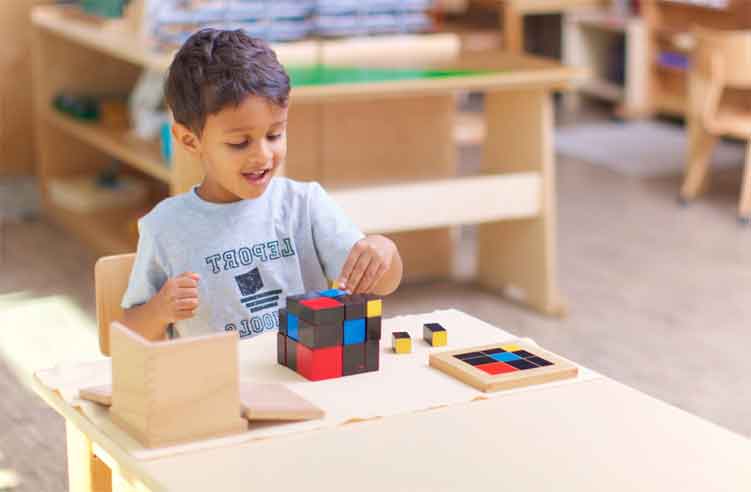
Montessori materials engage the senses. Tactile, visual, and sometimes auditory feedback creates multi-sensory learning pathways that are easier for children to anchor. For example, the Pink Tower or the Knobbed Cylinders require fine control and careful observation, which naturally narrows attention. When children manipulate real objects rather than passively receive information, their focus becomes active and exploratory.
Freedom within limits encourages concentration
Montessori classrooms balance freedom with clear boundaries. Children may choose activities, but they are expected to work respectfully and to return materials when finished. This predictable social contract reduces anxiety and interruptions, creating pockets of uninterrupted time for deep concentration. Teachers prepare the environment and then step back, allowing children to experience internally motivated flow states.
Repetition and mastery as attention builders
Repetition in Montessori is purposeful. Returning to a single activity repeatedly allows children to refine techniques and notice subtle differences in outcome. Mastery builds confidence, which in turn sustains attention: a child who knows they can do the work is more likely to persist through challenging steps. The self-correction built into many materials provides quiet, ongoing feedback that extends attention without constant adult validation.
Social structure and peer influence
Mixed-age groupings support focused work because older children model concentration and younger children are inspired by their peers. This natural mentorship creates a culture of work and respect that is contagious. Quiet collaboration — where children help each other without dominating the activity — further enhances concentration and reinforces positive habits.
Practical strategies for caregivers
At home, caregivers can emulate Montessori focus by providing uninterrupted time for a chosen activity, reducing background distractions (like screens), and offering open-ended materials that invite repetition. A small, predictable workspace and accessible materials encourage children to begin and complete tasks independently. Celebrate sustained effort and model calm attention to help children internalize focus as a valued skill.
Conclusion
Montessori activities improve focus by creating an environment that respects children’s natural curiosity and need for hands-on, meaningful work. Through well-designed materials, freedom within limits, repetition, and social modeling, children develop the cognitive architecture needed for sustained attention — an advantage that supports academic learning and everyday problem-solving.