Creativity as a learned disposition
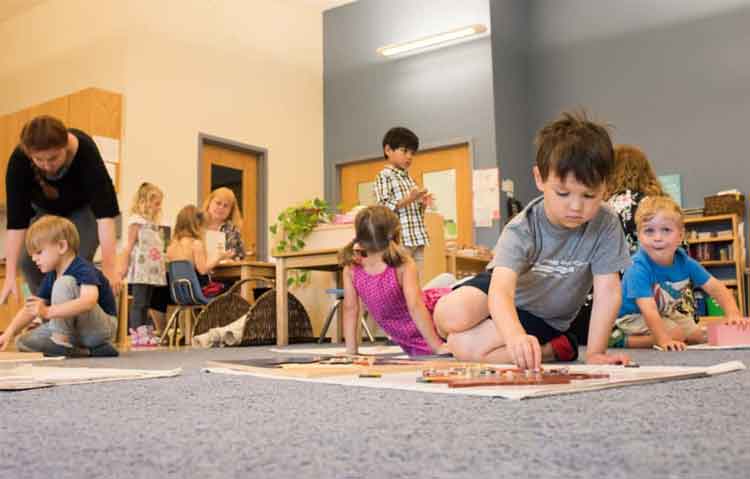
Creativity is often treated as a mysterious gift, but Montessori practice shows that creativity is a nurtured disposition. By offering open-ended materials, time, and freedom to explore, Montessori classrooms create the conditions where original thinking flourishes. Children are encouraged to experiment, to combine materials in novel ways, and to follow their curiosity, which fosters divergent thinking — the capacity to generate multiple solutions to a problem.
Material design that invites experimentation
Montessori materials are purposeful yet open to exploration. Loose parts, art materials, and sensorial objects allow children to invent uses and meanings, encouraging symbolic play and narrative thinking. When children manipulate materials without rigid instructions, they create personal interpretations and adapt materials to their own intentions — core components of creative practice.
Role of the prepared adult
Teachers in Montessori settings act as guides rather than directors. Their role is to observe, to present materials at the right moment, and to ask open-ended questions that extend thinking. This subtle pedagogy supports creative problem solving by prompting reflection rather than prescribing outcomes. The teacher’s restraint gives children the space to test hypotheses and learn from failures — an essential process for creative development.
Cross-disciplinary learning and imagination
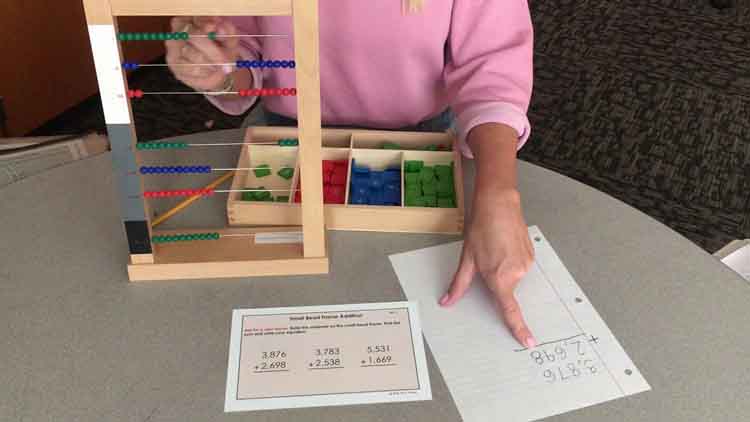
Montessori classrooms blur the lines between disciplines. A math activity may invite creative storytelling; a language lesson may incorporate art and movement. This cross-pollination encourages flexible thinking and the ability to transfer ideas across contexts, which is central to creativity. By weaving practical life, sensorial, language, and cultural studies together, Montessori fosters imaginative synthesis rather than compartmentalized knowledge.
Assessment through observation
Instead of standardized tests, Montessori educators assess creativity through observation of process and persistence. They look for original solutions, willingness to take risks, and the ability to refine an idea over time. These observational assessments honor individuality and provide qualitative feedback that supports ongoing creative growth.
Practical suggestions for homes
To nurture creativity at home, provide simple, accessible materials that can be combined in unexpected ways: clay, paper, scissors, fabrics, and natural loose parts. Allow long periods of uninterrupted play, and avoid overloading with structured activities. Ask open questions — “What might happen if…” — and celebrate imaginative attempts, even when they diverge from adult expectations.
Conclusion
Montessori activities enhance creativity by giving children freedom, a rich sensory environment, and gentle guidance. The method treats creativity as a learnable habit built through exploration, cross-disciplinary play, and reflection. Over time, this approach cultivates children who are not only skilled with tools and materials but who can also imagine new possibilities and approach problems with inventive confidence.