Independence is a core principle of Montessori education, and problem solving is one of the most important skills children develop through this approach. A common question among educators and parents is whether children can truly solve problems independently. In a Montessori environment, the answer is yes, provided that the environment and guidance are structured appropriately.
The Foundation of Independence
Montessori classrooms are designed to encourage independence from an early age. Children are given the freedom to choose activities and work at their own pace. This autonomy helps them develop decision-making skills and confidence in their abilities.
Role of the Teacher
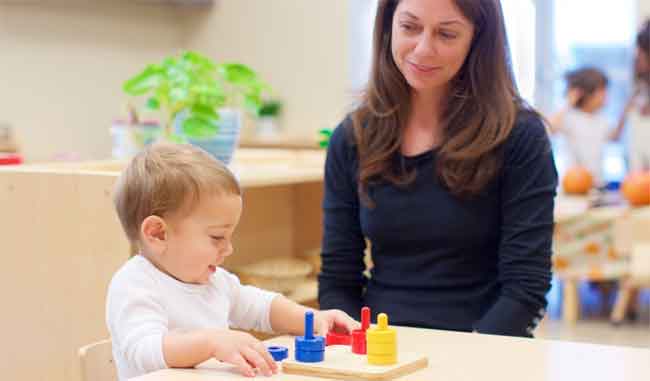
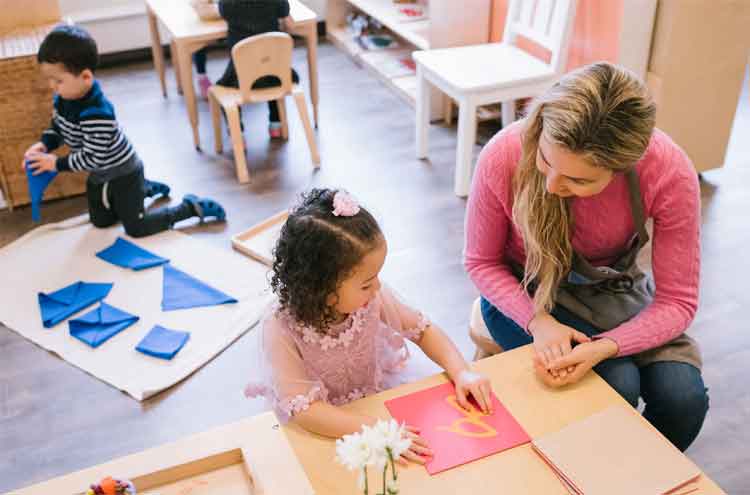
The teacher’s role is to guide rather than instruct. By observing children and understanding their needs, teachers provide support without taking over the learning process. This allows children to think for themselves and develop problem-solving skills.
Learning Through Experience
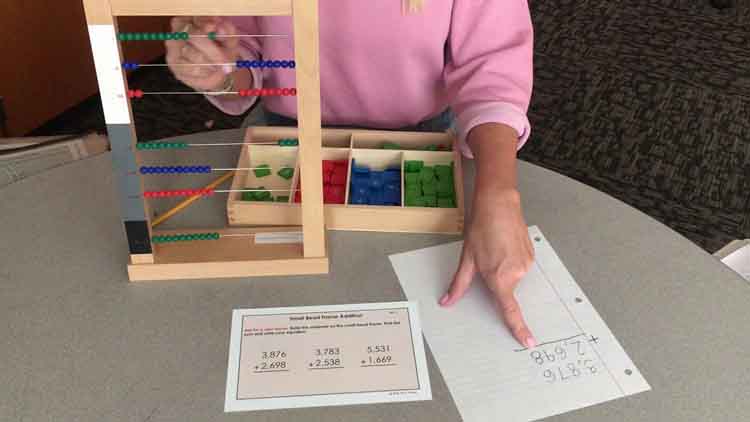
Children learn best through experience. In Montessori classrooms, they are encouraged to explore and experiment. When faced with challenges, they try different approaches until they find a solution. This experiential learning process strengthens their problem-solving abilities.
Developing Persistence
Persistence is a key component of independent problem solving. Montessori education encourages children to keep trying even when they face difficulties. This resilience helps them overcome challenges and build confidence.
Encouraging Responsibility
When children solve problems independently, they take responsibility for their learning. This sense of ownership motivates them to engage more deeply with tasks and seek solutions actively.
Children are capable of solving problems independently when given the right environment and guidance. Montessori education supports this by fostering independence, encouraging exploration, and providing opportunities for hands-on learning. As a result, children develop the skills and confidence needed to tackle challenges both inside and outside the classroom.